
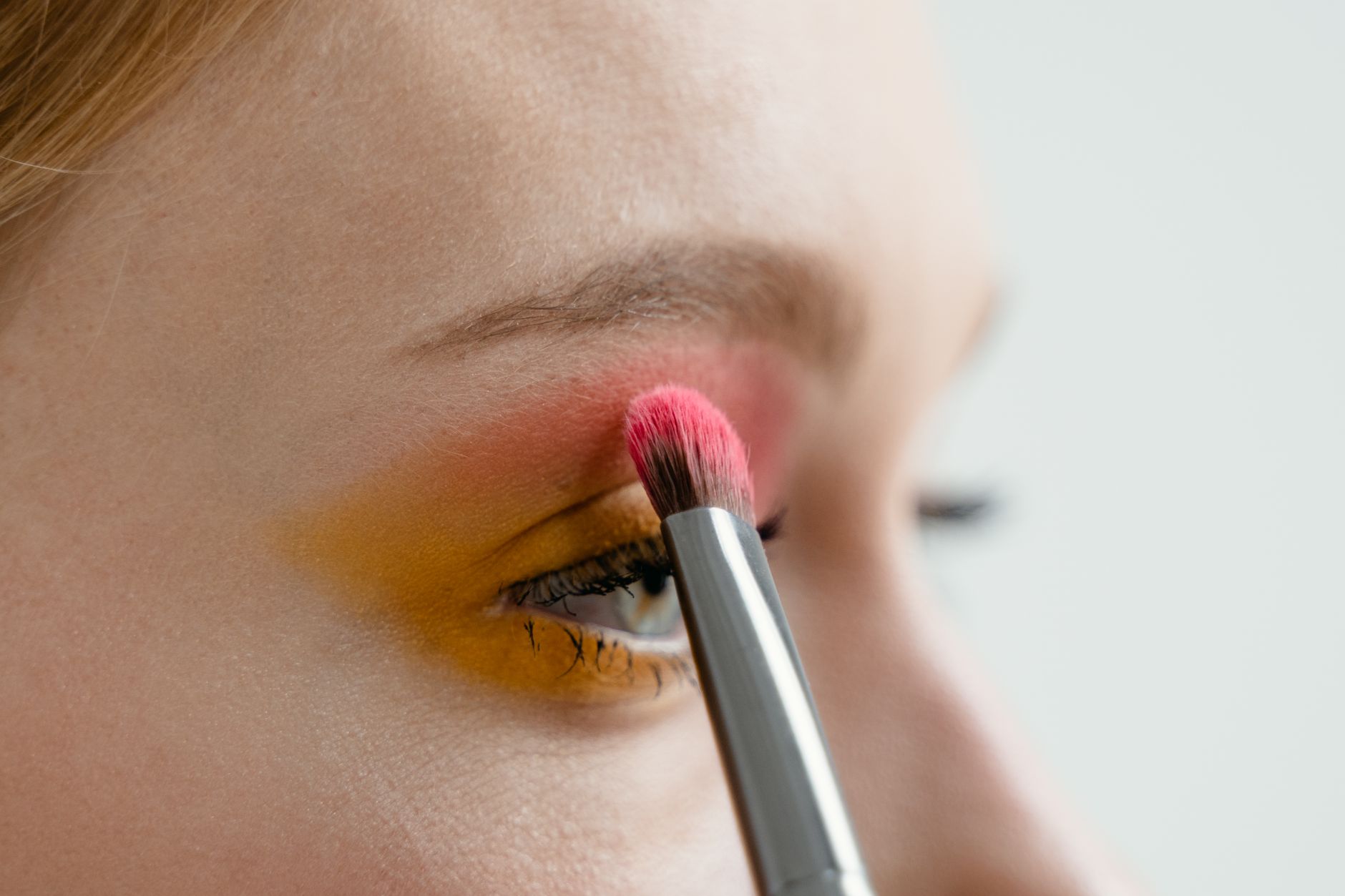
Applying eyeshadow can transform your makeup look, enhancing your natural features and adding dimension to your eyes. However, it might feel a bit daunting, especially for beginners. With the right techniques and tips, you can easily master the art of eyeshadow application and avoid common mistakes.
This guide will walk you through the best practices for applying eyeshadow, focusing on essential tools, techniques for different eye shapes, and common blunders that often lead to less-than-ideal results.
How to Apply Eyeshadow Effectively?
To apply eyeshadow effectively, you need to prep your eyelids, select the right colors, and use the appropriate techniques for application. Using good tools and blending well are key to achieving a polished look.
Essential Tools and Products
Before you start, gather the necessary tools and products to streamline the application process. Here’s what you’ll need:
- Eyeshadow Palette: Choose a palette with a variety of colors and finishes (matte, shimmer, satin).
- Eyeshadow Primer: Ensures longevity and vibrancy of colors.
- Brush Set: Essential brushes include a flat shader brush, blending brush, and pencil brush.
- Cotton Swabs or Makeup Remover Wipes: For correcting mistakes easily.
- Mirror: A good mirror is crucial for detailed application.
Preparing Your Eyes for Makeup
Preparation is key to a smooth eyeshadow application. Here are the steps you should follow:
- Clean your eyelids: Start with a clean base. Remove any previous makeup and excess oils using a gentle cleanser.
- Moisturize: Apply a lightweight moisturizer or eye cream suitable for your skin type. This will help your eyes look fresh and can prevent the eyeshadow from settling into fine lines.
- Apply Eyeshadow Primer: Use an eyeshadow primer to create a smooth, even surface. This step not only increases the staying power of your eyeshadow but also helps the colors pop.
Choosing the Right Eyeshadow Colors
Different colors can create varied effects and suit different occasions. Here are some tips for selecting the right shades:
- Skin Tone: Lighter colors can brighten the eyes for fair skin, while deeper hues work well for medium to dark tones. Warm undertones typically pair well with earthy colors, while cool undertones favor pinks and purples.
- Eye Color: Blues look striking with golden browns, while brown eyes pop with vibrant shades like teal and cobalt.
- Occasion: Soft, neutral shades are great for everyday looks, while bolder, darker, or sparkly colors can elevate your style for events or nightlife.
Steps for Applying Eyeshadow
Now that you’ve prepared your eyelids and chosen your colors, it’s time to apply the eyeshadow using the following steps:
- Start with Transition Color: Use a fluffy blending brush to apply a transition shade in a neutral tone, slightly darker than your skin. This shade should go into the crease to transition between colors seamlessly.
- Add Lid Color: Use a flat shader brush to pat your chosen lid color directly onto your eyelid, from the inner corner to the outer corner. Ensure even coverage by using a gentle dabbing motion.
- Deepen the Crease: Use a darker color to enhance the crease. This will create depth and dimension. Blend it carefully with a clean blending brush to avoid harsh lines.
- Highlight the Brow Bone: To lift your eyes, apply a light, shimmery shade to the brow bone just below the eyebrow. This will create the illusion of a more defined brow shape.
- Add a Pop to the Inner Corner: Using a small brush, apply a bright highlighter or light color in the inner corner of your eyes to make them appear larger and more awake.
- Blend, Blend, Blend: Use your blending brush again to go over all transitions and edges, ensuring everything looks seamless and well-blended.
Adapting Techniques for Different Eye Shapes
Understanding your eye shape is crucial for achieving the best results. Here are techniques for different eye shapes:
Round Eyes
For round eyes, apply darker shades on the outer corners and blend them toward the middle of the eye. This technique elongates the appearance of round eyes.
Almond Eyes
Almond-shaped eyes are versatile! You can create a classic look by enhancing the crease and adding eyeliner on both the top and bottom for definition.
Hooded Eyes
If you have hooded eyes, apply your crease color slightly above the natural crease to ensure visibility when your eyes are open. This creates depth.
Monolid Eyes
For monolid eyes, focus on applying color across the entire eyelid. Utilize both matte and shimmer shades for dimension without deepening the crease.
Common Mistakes to Avoid
Even seasoned makeup lovers can make mistakes when applying eyeshadow. Here are some common ones to watch out for:
- Skipping the Primer: Not using an eyeshadow primer can lead to fading and creasing throughout the day.
- Over-Packing Product: Applying too much product can create a heavy, clumpy look. Use small amounts and build up for more control.
- Poor Blending: Blending is essential for a seamless finish. Don’t rush this step; take your time to ensure there are no harsh lines.
- Ignoring Eyeliner: A well-applied eyeliner can enhance your eyeshadow look. Consider tightlining or using eyeliner to define the lash line after you apply your eyeshadow.
- Neglecting the Lower Lash Line: Applying eyeshadow only on the upper lid can throw off the balance. Add a complementary shade along the lower lash line for cohesion.
Troubleshooting Tips
No makeup look is complete without troubleshooting those little issues that pop up from time to time. Here are some tips to help you out:
- Fallout: If you experience fallout from shadow, use a damp makeup sponge to clean up under the eyes. Applying undereye concealer after your eyeshadow can also help camouflage any leftover product.
- Creasing: To prevent creasing, consider setting your eyeshadow with a translucent powder, especially if you have oily eyelids.
- Changing Colors: If your eyeshadow appears too dark or muddy, go back with your blending brush, swirl it into your transition shade, and re-blend to soften the edges.
Removing Eyeshadow
At the end of the day, removing eyeshadow properly is crucial for maintaining healthy skin. Follow these simple steps:
- Use Makeup Remover: Apply a suitable makeup remover on a cotton pad and gently sweep over your eyes.
- Cleanse Your Face: Follow with a gentle cleanser suitable for your skin type to ensure all product is removed.
- Moisturize: Finish with your usual skincare routine, applying a hydrating eye cream if desired.
Summary and Next Steps
Learning how to apply eyeshadow involves preparation, the right tools, and understanding different techniques. With practice and attention to detail, you can create stunning eye looks that enhance your beauty.
As a practical next step, consider experimenting with different color combinations and techniques we’ve covered here to build your confidence. Don’t forget to explore tutorials on other beauty topics, like how to apply eyeliner and how to clean makeup brushes, to further refine your makeup routine!