
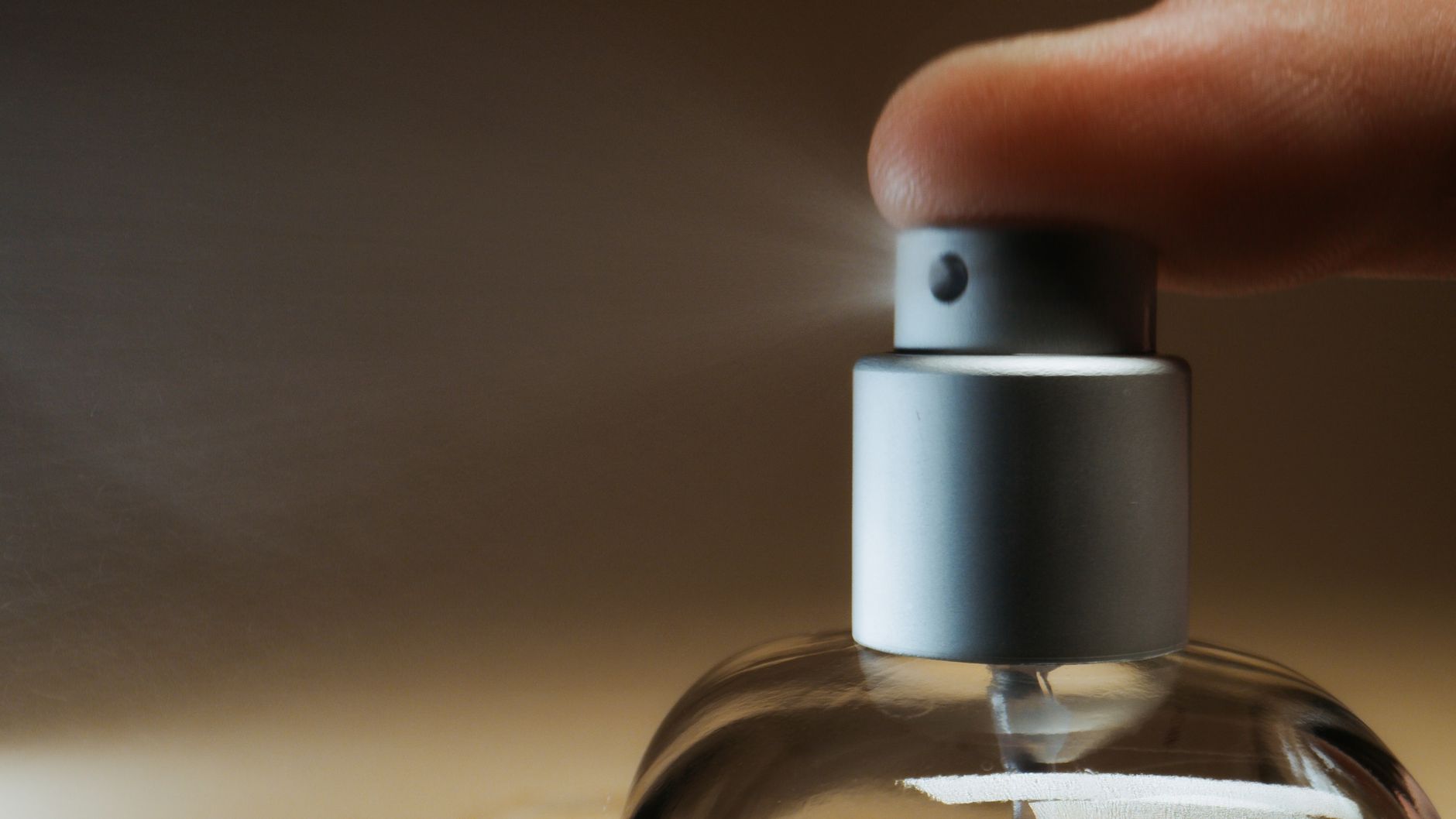
Perfume is more than just a fragrance; it’s a personal statement and a mood enhancer. However, many people find that the scent fades before the day has even begun. Learning how to make perfume last longer can significantly affect your fragrance experience. This guide will cover effective application methods, storage tips, and factors that influence longevity, ensuring that your scent makes a lasting impression.
Understanding how to properly apply and store your perfume can enhance its longevity and your enjoyment. From choosing the right scent families to tailoring your application technique, you can master the art of wearing fragrance. Let’s explore how to make your perfume last longer for all-day wear.
How to Make Perfume Last Longer?
To make perfume last longer, focus on the application method, the areas where you apply it, the type of scent you choose, and how you store it. Proper application, combined with thoughtful storage, can maximize the fragrance’s presence and endurance on your skin.
Understanding Fragrance Families and Their Longevity
Different fragrance families have varying levels of longevity, and it’s helpful to understand these differences when selecting a scent. Here’s a brief overview:
- Floral: Often light and airy, floral fragrances can have moderate longevity, lasting about 4 to 6 hours.
- Citrus: Bright and fresh, citrus fragrances tend to dissipate quickly, usually lasting around 2 to 4 hours.
- Woody: These scents, derived from tree extracts, tend to last longer, often 6 to 8 hours or more.
- Oriental: Exotic and warm, oriental fragrances are often more concentrated and can last anywhere from 6 to 12 hours.
- Gourmand: Sweet and edible-scented fragrances usually last around 4 to 8 hours, depending on their concentration.
Choosing the Right Concentration
Fragrances are available in various concentrations, affecting their longevity. Here’s how they stack up:
- Parfum: The highest concentration (20-30% fragrance oil), offering the longest wear time, typically lasting 8 to 12 hours.
- EDP (Eau de Parfum): Contains 15-20% fragrance oil and usually lasts between 6 to 8 hours.
- EDT (Eau de Toilette): Lower concentration (5-15% fragrance oil), lasting around 3 to 5 hours.
- EDC (Eau de Cologne): The lightest concentration (2-4% fragrance oil) lasts only 2 to 4 hours.
Effective Application Techniques
The way you apply your fragrance can significantly affect its longevity. Here are some essential tips for optimal application:
- Apply Right After Showering: Apply perfume after a shower when your skin is clean and moisturized. Your skin can absorb the scent better, enhancing its longevity.
- Layer with Unscented Lotion: Moisturize with an unscented lotion before applying your perfume. This helps the scent stick to your skin more effectively.
- Pulse Points: Apply perfume to pulse points like the wrists, neck, behind the ears, and inside the elbows. Body heat will naturally amplify the fragrance.
- Spray, Don’t Rub: Spraying perfume on the skin and allowing it to air dry is preferred over rubbing, which can diminish its intensity.
- Travel with a Rollerball: If you want to refresh your scent during the day, consider carrying a rollerball version of your perfume for easy touch-ups.
Special Application Methods for Enhanced Longevity
Certain methods can further boost the longevity of your perfume:
- Hair Mist: If a fragrance extends to your hair, consider choosing a hair mist version of your perfume. Hair holds scent well, adding another layer of fragrance.
- Clothing Application: Lightly spritzing perfume on your clothing can help it last longer. Just be cautious with delicate fabrics, as some perfumes can cause stains.
- Perfume in the Air: Spray the perfume in the air and walk through the mist for an even, all-over scent application, ensuring it’s not overwhelming in any one area.
Storing Your Perfume Correctly
Proper storage can significantly impact the quality and longevity of your perfume. Here are some storage tips:
- Avoid Direct Sunlight: Store your fragrances in a cool, dark place away from sunlight, which can alter the composition over time.
- Keep Away from Heat Sources: Heat can degrade perfumes, so store them away from hot appliances or areas that may warm up.
- Limit Air Exposure: Always ensure the cap is tightly sealed to minimize air exposure. Consider keeping the perfume in its box for extra protection.
- Choose a Cool Spot: A temperature-controlled environment (around 60-75°F) is ideal for maintaining the fragrance’s integrity.
- Avoid the Bathroom: The humidity and temperature fluctuations of a bathroom can negatively impact your perfume. Opt for a dresser or drawer instead.
Common Mistakes to Avoid
To get the most out of your fragrance, steer clear of these common pitfalls:
- Over-Application: Less is often more. Over-spraying can lead to olfactory fatigue for both you and those around you.
- Skipping Moisturizer: Skipping a moisturizing step can affect the fragrance’s adherence and potency on your skin.
- Mixing Scents: Layering multiple scents can confuse the olfactory senses, so it’s best to stick to one fragrance or choose complementary scents.
- Applying to Dry Skin: If your skin is dry, the perfume won’t last as long, so hydration is key for better retention.
- Using Perfume on the Same Spot: Reapplying perfume in the same spot can lead to overwhelming the senses; consider alternating application points.
Enhancing Scent Longevity Through Lifestyle Choices
Your lifestyle can also play a significant role in how long perfume lasts. Consider the following factors:
- Diet: A balanced diet rich in nutrients can optimize your skin’s health, enhancing fragrance retention. Incorporate foods high in omega-3 fatty acids.
- Hydration: Drink plenty of water to keep your skin hydrated, resulting in better perfume adherence.
- Skin Type: Oily skin tends to hold scents longer than dry skin. If you have dry skin, a moisturizer can help enhance fragrance longevity.
Scents and Seasonal Changes
Fragrance longevity can vary with seasonal changes. For example, fresh citrus scents may be more suitable for summer, while deeper, warmer scents like amber may shine during colder months.
Here’s how to tailor your fragrance choices according to the seasons:
- Spring: Opt for lighter, floral, or fruity scents that reflect the freshness of the season.
- Summer: Bright citrus or marine scents work well in hot weather, as they are refreshing and less likely to overwhelm.
- Fall: Transition to warmer scents like spicy or woody profiles that evoke the cozy feeling of autumn.
- Winter: Use deeper, richer fragrances with notes like vanilla, musk, or amber which can withstand colder conditions.
Final Thoughts on Fragrance Longevity
Understanding how to make your perfume last longer involves a combination of proper application techniques and appropriate storage methods. By being mindful of your fragrance choices and your lifestyle, you can maximize the impact and longevity of your scents.
Ultimately, the goal is to find the right balance that works for you, enhancing your overall self-expression without overwhelming yourself or those around you. Experiment with these tips and discover what techniques work best for your fragrance profile.
If you’re curious about how to apply cologne or how long does perfume last, consider exploring those detailed guides for more enriching insights on fragrance use.