
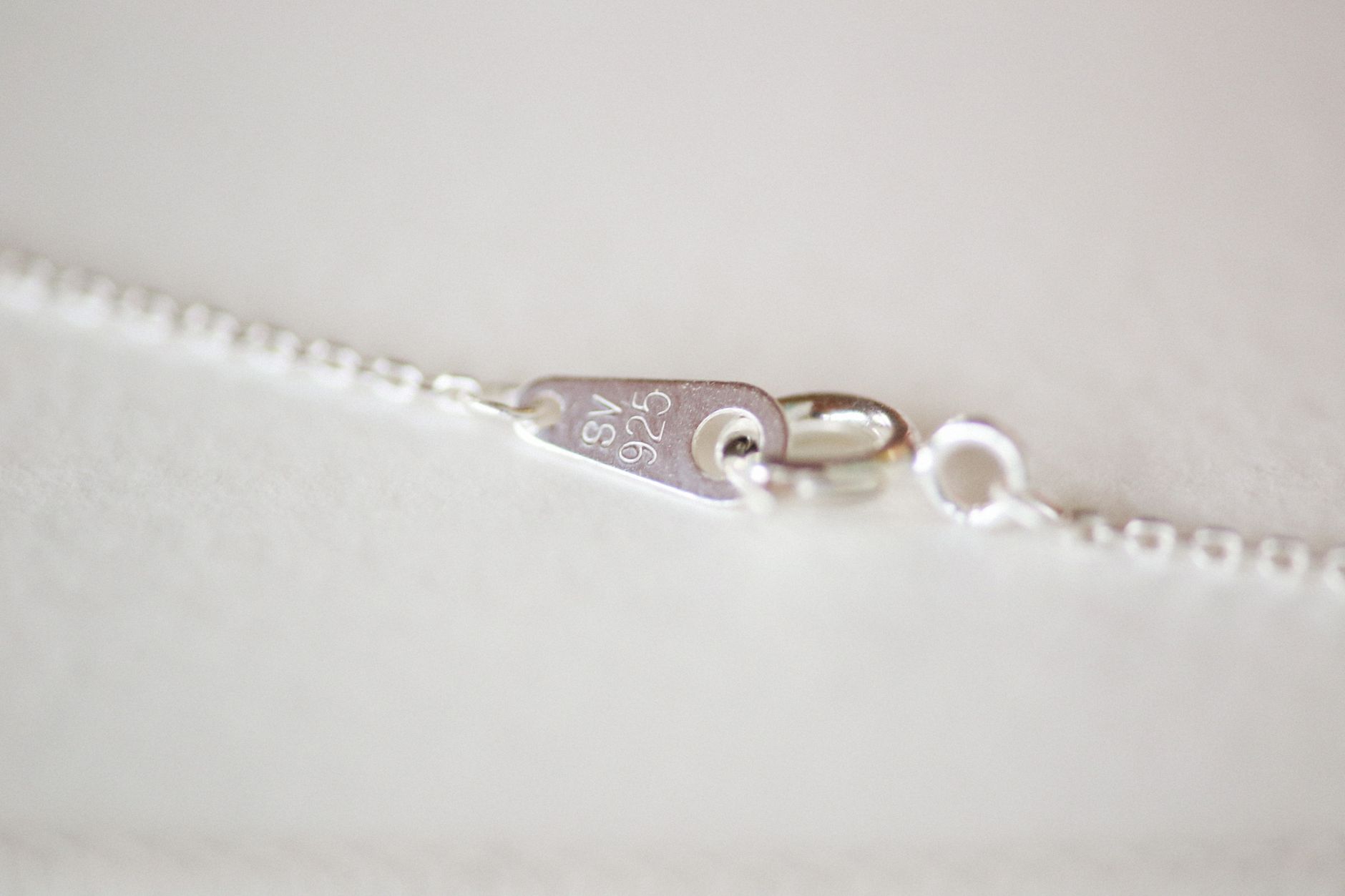
When it comes to jewelry, many people seek pieces that are both stylish and safe for sensitive skin. Sterling silver has long been a popular material due to its beautiful shine and durability. However, many people wonder: is sterling silver hypoallergenic? Understanding this can help you make informed choices when selecting jewelry that won’t irritate your skin.
This article will delve into the question of whether sterling silver is hypoallergenic, explore the elements that comprise it, and help you find suitable options for your sensitive skin. Let’s break it down!
Is Sterling Silver Hypoallergenic?
Sterling silver is not inherently hypoallergenic, but it is generally better tolerated by those with metal sensitivities than some other metals. Pure silver is soft and pliable, which is why it is alloyed with other metals, typically copper, to create sterling silver. The presence of these additional metals can contribute to allergic reactions in some individuals.
For most people, sterling silver is a safe choice, as it often does not contain nickel, a common allergen found in many metals. However, those with particularly sensitive skin or metal allergies should exercise caution and consider their options carefully.
What is Sterling Silver Made Of?
Sterling silver is composed of 92.5% silver and 7.5% of other metals, typically copper. This alloying process gives sterling silver its durability while maintaining a beautiful finish. Here are some additional details about its composition:
- Silver Content: The high silver content contributes to sterling silver’s bright appearance and resistance to tarnish.
- Alloy Components: The main alloying metal is usually copper. In some cases, other metals like zinc or germanium may be used.
- Nickel Presence: Unlike many other metal alloys, standard sterling silver does not contain nickel, thus making it a potentially safer option for those with sensitivities.
Understanding Metal Sensitivities
Metal sensitivities or allergies can result in symptoms such as redness, itching, or inflammation upon contact with certain metals. Here are key points to keep in mind about metal allergies:
- Nickel Allergy: The most common metal allergy, often found in cheap jewelry and body piercings, causing various skin reactions.
- Other Allergens: Some individuals may be sensitive to copper or other metals used in alloys.
- Identifying Reactions: If you experience irritation from jewelry, consider switching to hypoallergenic alternatives or platinum and titanium.
Levels of Hypoallergenic and Non-Hypoallergenic Metals
While no metal can be guaranteed as hypoallergenic, certain materials are considered safer options:
- Hypoallergenic Metals: Surgical steel, titanium, platinum, and sterling silver (in most cases).
- Non-Hypoallergenic Metals: Nickel, brass, and some alloys with high copper content.
Hypoallergenic jewelry is defined as jewelry that is less likely to cause allergic reactions. If you often experience reactions, opting for materials known to be hypoallergenic is wise.
Factors to Consider in Sterling Silver Jewelry
When selecting sterling silver jewelry, consider the following factors to minimize irritation:
- Quality: Look for high-quality sterling silver marked with a .925 stamp, ensuring it contains 92.5% silver.
- Coating: Some sterling silver pieces may be coated with rhodium, which can enhance safety by providing a barrier against skin contact.
- Tarnishing: Keep jewelry clean and reduce tarnishing by storing pieces properly and using anti-tarnish solutions.
- Design: Opt for designs that allow your skin to breathe and consider avoiding pieces that trap moisture.
Choosing the Right Sterling Silver Jewelry
Your skincare routine and lifestyle play a crucial role in how your body interacts with jewelry. Here are practical steps to ensure that your choice of sterling silver aligns with your skin’s needs:
- Research Brands: Look for reputable brands known for their hypoallergenic jewelry options.
- Check Ingredients: Always read the descriptions and ingredient lists to confirm that pieces are made without nickel.
- Consider Custom Options: Custom jewelry often allows for the choice of hypoallergenic materials, providing a tailored approach to sensitive skin.
- Gradual Introduction: If you are trying sterling silver for the first time, introduce the jewelry slowly to observe any potential reactions.
Signs of Reactions and How to Manage Them
While many people can wear sterling silver without issues, some may still experience reactions. Watch for the following symptoms:
- Redness or Rash: Localized redness or a rash around where the jewelry rests on the skin.
- Itchiness: Persistent itching may signal an allergic reaction.
- Swelling: If the area around the jewelry becomes swollen, it may indicate sensitivity.
If you experience any of these symptoms, take the following steps:
- Remove the Jewelry: Take off the piece immediately to prevent further irritation.
- Clean the Area: Gently wash the area with soap and water, ensuring it’s dry afterward.
- Consult a Professional: If symptoms persist, seek advice from a dermatology specialist.
The Best Alternative Options
If you discover that sterling silver is not suitable for you, here are some hypoallergenic alternatives to consider:
- Surgical Stainless Steel: This metal is durable, affordable, and known for being hypoallergenic.
- Titanium: Titanium is lightweight, strong, and often used in jewelry for sensitive skin.
- Platinum: This precious metal is naturally hypoallergenic and highly resistant to tarnishing.
- Gold (14k or higher): High-quality gold is generally hypoallergenic, although some alloys may contain nickel.
Maintaining Your Sterling Silver Jewelry
Proper care of your sterling silver jewelry can prolong its lifespan and maintain its appearance. Here are some maintenance tips:
- Regular Cleaning: Use a soft cloth to gently buff your jewelry and restore shine.
- Avoid Chemicals: Keep your jewelry away from harsh chemicals and cosmetics that could tarnish the finish.
- Store Properly: Store pieces in a cool, dry place, ideally in an anti-tarnish pouch or cloth.
Conclusion: Making Informed Choices
In summary, sterling silver is typically better tolerated than many other metals, but it is not universally hypoallergenic. Understanding your sensitivities and taking proactive measures when selecting and caring for jewelry can help ensure a positive experience. If you have further concerns, consider speaking with a dermatologist or allergist familiar with your unique needs. Your skin deserves jewelry that not only looks beautiful but feels great too!
If you’re interested in exploring more about skincare, beauty routines, or product selection tips, check out our guides on natural skincare routines, understanding hypoallergenic makeup, and essential beauty tools for sensitive skin.