
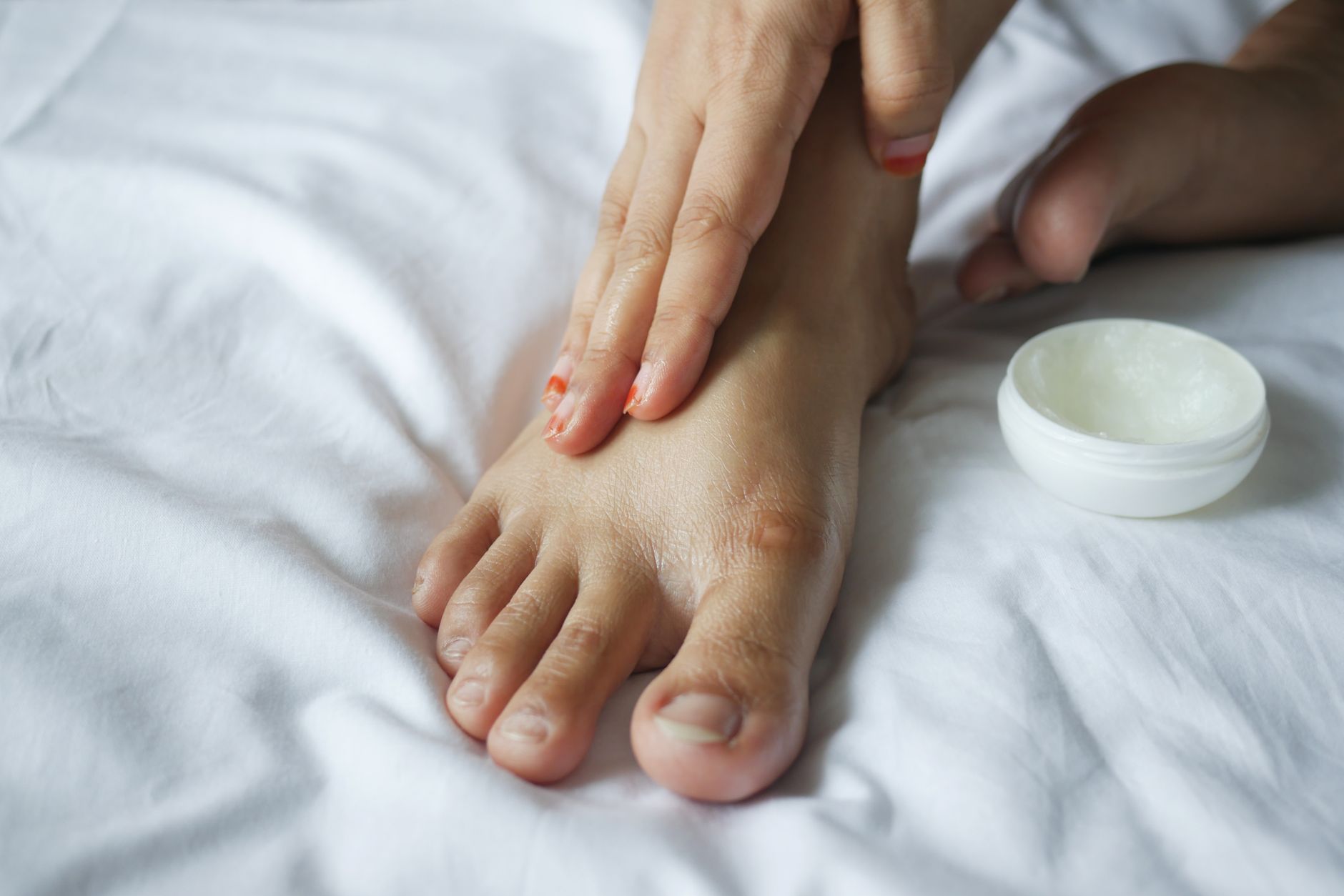
Experiencing excessive foot sweating can be uncomfortable and embarrassing, but it’s a common issue that many individuals face. Understanding the reasons behind this phenomenon can help you manage it better and integrate effective care routines into your life.
This article explores the causes of excessive feet sweating, known as plantar hyperhidrosis, along with practical foot care tips to keep your feet dry, fresh, and healthy.
Why Do My Feet Sweat So Much?
Excessive foot sweating is often a result of overactive sweat glands and can be influenced by various factors including genetics, environment, and lifestyle choices. Identifying these causes helps determine effective management strategies for the condition.
Common Causes of Excessive Foot Sweating
There are several reasons why you might be experiencing sweaty feet. Here are the most common contributors:
1. Genetics
For many, excessive sweating is inherited. If family members have experienced hyperhidrosis, it’s likely you might as well. Genetics can play a significant role in determining the number and activity level of sweat glands.
2. Environmental Factors
Hot or humid weather can trigger increased sweating, not just on your feet but across your entire body. Wearing non-breathable footwear or socks made from synthetic materials can intensify this problem, as they trap sweat and create a warm environment for your feet.
3. High-Stress Levels
Stress and anxiety can activate your body’s fight-or-flight response, leading to sweating. This can manifest particularly in your hands and feet, making them damp and uncomfortable.
4. Medical Conditions
Certain medical conditions can also contribute to excessive sweating. Conditions such as hyperhidrosis, diabetes, hormonal changes (like those occurring during menopause), and thyroid disorders are often underlying causes. If you suspect your sweating is abnormal, consult a healthcare professional for advice.
5. Diet and Lifestyle
Your diet may also impact your sweat levels. Spicy foods, caffeine, and alcohol can stimulate your sweat glands. Additionally, lack of proper hydration can lead your body to overcompensate by sweating more.
Foot Care Tips for Sweaty Feet
Managing sweaty feet involves a combination of preventive measures and proper care techniques. Here are some effective foot care tips to keep your feet dry and comfortable:
1. Choose Breathable Footwear
Select shoes made from natural materials such as leather or canvas, which allow better ventilation. Avoid shoes made from synthetic materials that can trap moisture and heat. Aim for footwear designed for breathability, especially during hot weather.
2. Opt for Moisture-Wicking Socks
Improper socks can be a major contributor to sweaty feet. Invest in moisture-wicking socks made of materials like merino wool or bamboo. These fibers can absorb sweat and wick it away from your feet, keeping them dry throughout the day.
3. Regular Foot Hygiene
Wash your feet daily using antibacterial soap to prevent odor and fungal infections. Pay special attention to the spaces between your toes, and make sure to dry your feet thoroughly afterward. If you have excessive moisture, apply foot powder for additional absorbency.
4. Use Antiperspirants
Apply an antiperspirant specifically designed for feet, which can help reduce sweating. Use it at night to allow it to work effectively while you sleep. Look for products that contain aluminum chloride, which is known to block sweat glands.
5. Maintain Foot Moisture
While it may seem counterintuitive, keeping your feet well-moisturized can actually help manage sweat. Dry, cracked skin can worsen sweating, so apply a lightweight, non-greasy moisturizer after washing your feet.
6. Foot Baths and Soaks
Consider soaking your feet in a mixture of warm water and astringents such as Epsom salt or vinegar. These ingredients can help minimize sweating and soothe your feet. Limit soak times to 15-20 minutes and ensure you dry your feet afterward.
7. Regularly Exfoliate
Exfoliating your feet can help remove dead skin cells and reduce the buildup of bacteria and fungi that thrive in moist environments. Use a pumice stone or foot scrub regularly to maintain smooth and healthy feet.
8. Dietary Adjustments
Monitor your diet for foods that may trigger sweating. Limit spicy foods, caffeine, and alcohol, which can increase perspiration. Opt for a balanced diet rich in fruits, vegetables, and whole grains to support overall body function.
9. Manage Stress Levels
Implement stress-reducing activities into your routine, such as yoga, meditation, or deep-breathing exercises. Reducing stress can help regulate your body’s response to anxiety and decrease excessive sweating.
10. Consult a Professional
If you find that your foot sweating is persistent and affecting your quality of life, consider consulting a podiatrist or dermatologist. They can assess your situation and provide specialized treatments, including prescription medications or advanced therapies.
Understanding Treatment Options for Excessive Foot Sweating
While the above foot care tips can provide significant relief, there are more advanced treatment options available for those with severe cases of hyperhidrosis. Here’s a brief overview of potential treatments:
1. Prescription Antiperspirants
In addition to over-the-counter options, doctors can prescribe stronger antiperspirants containing higher concentrations of aluminum chloride or other active ingredients. These treatments can offer more effective results than standard products.
2. Iontophoresis
This non-invasive treatment involves using a device that passes a mild electrical current through water and into the skin’s surface, helping to block sweat glands. Iontophoresis treatments usually require multiple sessions for optimal results.
3. Botox Injections
Botox can temporarily block the nerves that trigger sweat glands, providing relief for several months at a time. This option may suit individuals who do not respond well to other treatments.
4. Medications
Certain oral medications, such as anticholinergics, can help reduce sweating by preventing the stimulation of sweat glands. Discuss potential side effects and suitability with your healthcare professional.
5. Surgery
In extreme cases, surgical options such as sympathectomy may be considered. This involves cutting nerves that trigger sweating, but it carries potential risks and isn’t commonly recommended for foot sweating.
Common Mistakes to Avoid When Managing Sweaty Feet
Managing sweaty feet requires attention and care, but certain common mistakes can hinder your progress:
- Using heavy, synthetic materials for socks and shoes that trap heat and moisture.
- Ignoring signs of bacterial and fungal infections, which can worsen foot conditions.
- Underestimating the importance of personal hygiene in managing sweat and odor.
- Relying solely on deodorants and fragrances to mask odor instead of addressing underlying issues.
- Choosing footwear that doesn’t provide proper support or breathability.
Building the Right Foot Care Routine
Creating a foot care routine that suits your individual needs can dramatically improve foot health and reduce sweating. Here’s a simple routine to consider:
- Morning: Start your day with a thorough foot wash, followed by drying your feet between the toes. Apply antiperspirant if needed and wear breathable, moisture-wicking socks.
- Noon: Take breaks to remove your shoes and allow your feet to air out. Consider a quick foot soak if you’re able to over lunch.
- Evening: After a long day, wash your feet again and exfoliate gently. Apply a moisturizer and enjoy a foot bath with astringent properties two to three times a week.
- Weekly: Mix in regular pedicures or foot scrubs and check for signs of irritation to catch potential skin issues early.
Conclusion
Excessive foot sweating can be uncomfortable, but understanding its causes and implementing an effective care routine can help you manage the condition. Explore breathable clothing, monitor your diet, and don’t hesitate to consult professionals if necessary. Remember, a little care goes a long way in maintaining healthy and sweat-free feet!
For more tips on foot health, check out our guides on how to get rid of smelly feet permanently or learn about corns on your foot to enhance your foot care knowledge.