
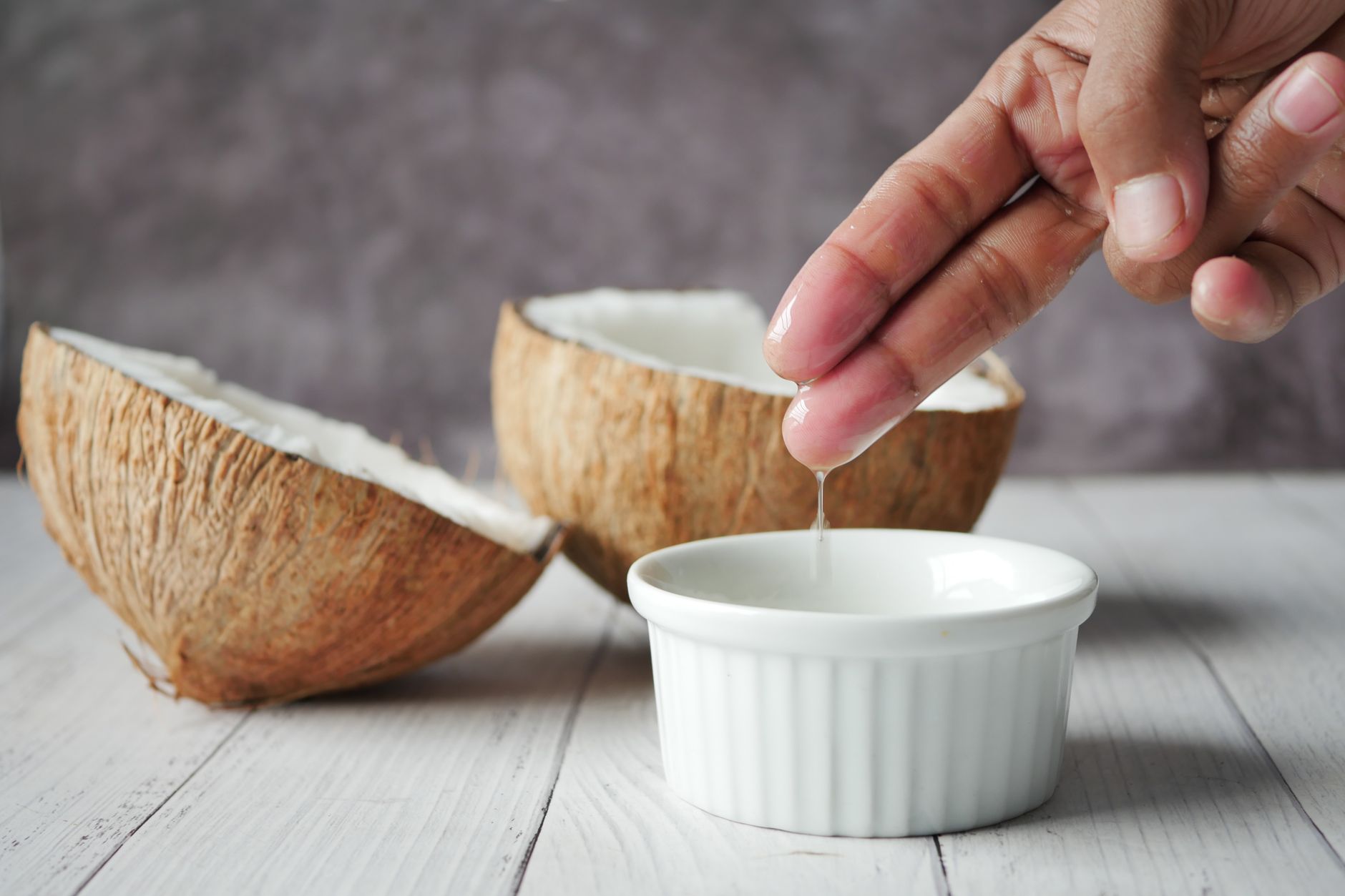
Coconut oil has become increasingly popular in recent years, leading many beauty enthusiasts to wonder about its multiple uses. Often celebrated for its nourishing properties, coconut oil has found its way into various beauty routines, from skincare to haircare. It’s essential to explore its benefits, potential risks, and how to integrate it effectively into your beauty regimen.
This comprehensive guide aims to clarify what coconut oil is good for, explore its applications in both hair and skin, and highlight any considerations to keep in mind for safe usage.
What Is Coconut Oil Good For?
Coconut oil is revered for its ability to moisturize skin and hair, thanks to its high fatty acid content. It can serve various purposes, such as acting as a moisturizer, hair conditioner, makeup remover, and even a natural treatment for scalp issues. However, it’s important to choose the right type and understand how to use it properly.
Benefits of Coconut Oil for Hair
The use of coconut oil in hair care is well-documented, and its popularity stems from a variety of benefits it offers. Here are some notable uses:
1. Moisture Retention
Coconut oil serves as an excellent moisturizer for all hair types, particularly those with dry or textured hair. Its unique structure allows it to penetrate the hair shaft effectively, locking in moisture and minimizing dryness.
2. Damage Repair
Coconut oil can help reduce protein loss in hair, which is essential for maintaining the hair’s strength and integrity. This can lead to healthier-looking hair and can assist in repairing damage caused by styling, chemicals, or environmental factors.
3. Scalp Health
Using coconut oil on the scalp can help alleviate dryness and dandruff. The antifungal properties may assist in improving overall scalp conditions, making this oil an excellent option for those prone to scalp issues.
4. Split End Prevention
Regular application of coconut oil may help minimize the appearance of split ends. By moisturizing and strengthening the hair, it can also act as a protective barrier against breakage.
5. Styling Aid
Coconut oil can serve as a natural styling aid, adding shine and smoothness to hair. It can help tame frizz and flyaways while offering a sleek finish to various hairstyles.
How to Use Coconut Oil for Hair
To see the best results, it’s crucial to apply coconut oil correctly. Here’s a simple routine:
- Choose the Right Type: Look for virgin or extra-virgin coconut oil, as these types retain more nutrients.
- Warm Up the Oil: Take a small amount in your palms and warm it up by rubbing your hands together.
- Apply to Damp Hair: For the best moisture retention, apply it to damp hair, either after washing or lightly misting your hair.
- Focus on Ends and Scalp: Concentrate on the ends of your hair to combat dryness while applying a small amount on the scalp to promote health.
- Leave it On: Let it sit for at least 30 minutes, or overnight for deeper conditioning.
- Wash Out: Shampoo your hair thoroughly, as coconut oil can be more challenging to wash out than other oils. You may need to shampoo twice.
Benefits of Coconut Oil for Skin
Coconut oil doesn’t just work wonders on hair; it can also be an excellent addition to your skincare routine. Here are some of its benefits:
1. Deep Moisturizer
This oil is a fantastic natural moisturizer suitable for most skin types. Its fatty acids provide deep hydration, making it ideal for dry, sensitive skin.
2. Makeup Remover
Coconut oil can effectively remove makeup, including stubborn waterproof products. Its oily nature helps dissolve makeup while providing a nourishing cleanse.
3. Skin Barrier Protection
By forming a protective barrier on the skin’s surface, coconut oil helps prevent moisture loss, making it beneficial in maintaining hydration and overall skin health.
4. Antimicrobial Properties
The antibacterial and antifungal properties of coconut oil make it useful for soothing and preventing certain skin issues. It may assist in calming minor cuts and irritations.
5. Soothing Agent
After a day in the sun, coconut oil may provide a soothing sensation to irritated skin and help reduce redness.
How to Use Coconut Oil for Skin
Incorporating coconut oil into your skincare routine can be straightforward. Here’s a step-by-step guide:
- Choose Quality Coconut Oil: Opt for organic, virgin coconut oil for the best results.
- Cleanse First: Start with a clean face. Use your go-to cleanser to remove dirt and impurities.
- Take a Small Amount: Use your fingertips to scoop out a dime-sized amount of oil.
- Warm It Up: Rub the oil between your fingers to warm it slightly before application.
- Apply to Face: Gently massage the oil into your skin, focusing on dry areas. It can also be applied as a nighttime moisturizer.
- Remove Makeup: For makeup removal, rub a small amount over the makeup, then wipe off with a cotton pad or soft cloth.
- Patch Test: Always perform a patch test on a small area of skin before using it extensively.
Risks and Considerations
While coconut oil offers numerous benefits, it’s essential to be aware of potential risks and considerations:
- Comedogenic Properties: Coconut oil is classified as comedogenic, meaning it can clog pores for some skin types, particularly oily or acne-prone skin. Individuals with these skin concerns should use it cautiously and consider lighter oils.
- Irritation: Though generally considered safe, some people may experience allergic reactions or irritation. Always conduct a patch test before full application.
- Application Amount: Less is often more. Over-application can lead to greasiness or residue buildup.
- Type of Hair and Skin: While many benefit from coconut oil, it may not suit everyone. Factors like hair type, skin type, and individual preferences play a significant role.
Is Coconut Oil Right for You?
The suitability of coconut oil in your regimen depends on various factors, including your hair and skin type. Individuals with dry or textured hair may find coconut oil to be a nourishing addition, while those with oily or acne-prone skin should approach it with caution. Always assess your specific needs and pay attention to how your skin or hair reacts after use.
When to Avoid Coconut Oil
In some scenarios, it may be best to avoid coconut oil:
- If you have oily or acne-prone skin, consider opting for non-comedogenic oils such as argan oil or jojoba oil.
- If you’re allergic or have previously experienced irritation when using coconut products.
- If you’re looking for a lightweight moisturizer during warmer months, consider alternatives that may provide better absorption.
Conclusion
Coconut oil serves as a versatile product in beauty routines, offering a plethora of benefits from moisturizing to hair conditioning. However, the key to maximizing its advantages lies in understanding its properties, correctly applying it, and being aware of personal sensitivities. If you choose to incorporate coconut oil into your routine, begin with small amounts and monitor your skin and hair for positive results.
For more insights, you might want to explore how coconut oil benefits your hair in detail and discover what coconut oil can do to enhance your hair. Happy pampering!