
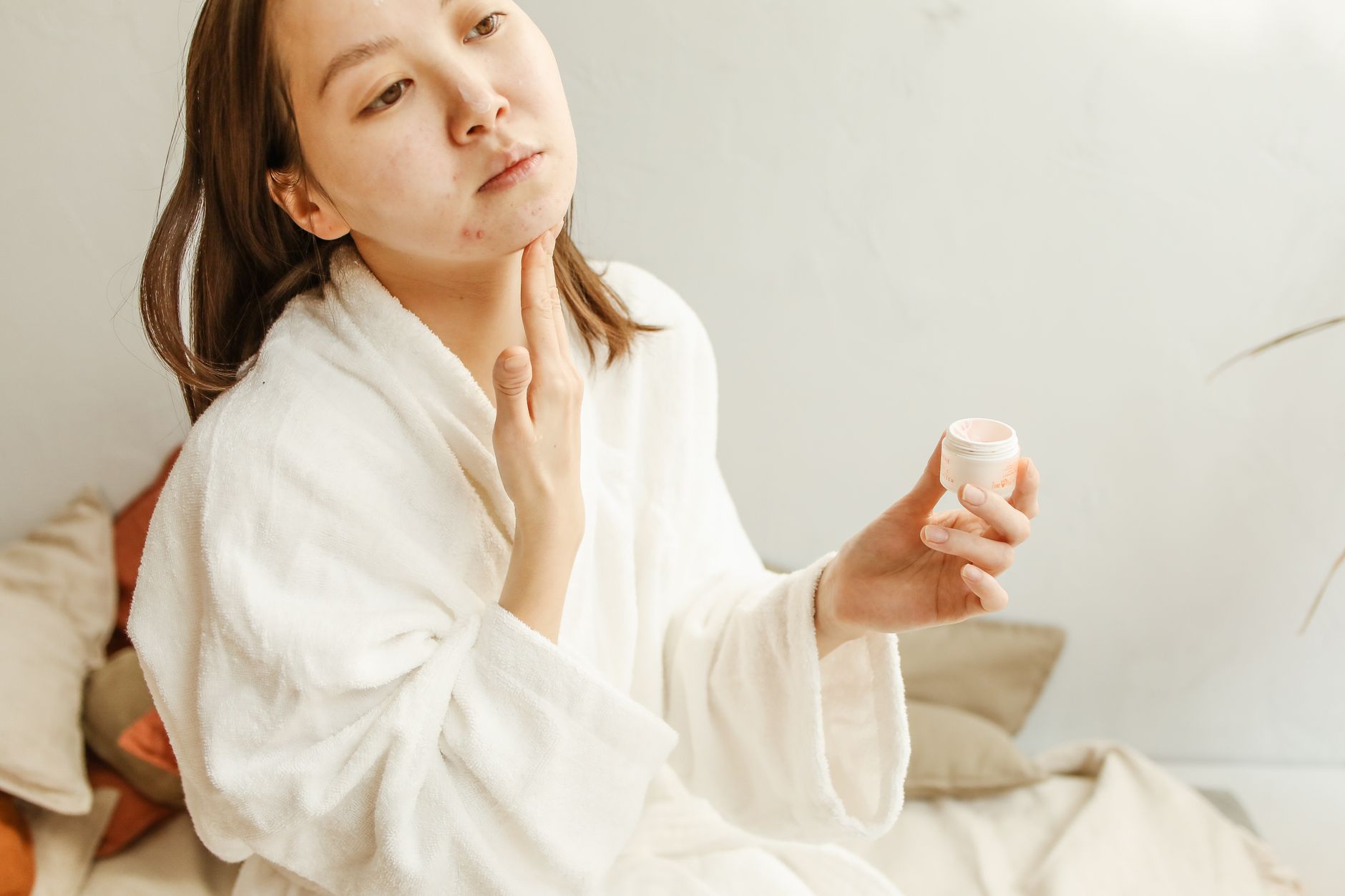
Many people experience breakouts on their chin at some point in their lives, and understanding the underlying causes is essential to finding effective solutions. These breakouts can be frustrating but are often linked to various factors, including hormonal changes, skin types, and lifestyle choices.
In this article, we’ll explore the reasons why you might be breaking out on your chin, with a focus on hormonal influences and practical steps to manage and prevent future occurrences.
Why Am I Breaking Out on My Chin?
Breaking out on your chin can be attributed to a combination of hormonal fluctuations, lifestyle factors, and skin care routines. Hormonal acne often occurs during specific life stages or in response to various triggers, such as stress, diet changes, or hormonal medications.
Common Causes of Chin Breakouts
Identifying the root cause of chin breakouts is crucial for developing an effective skincare routine. Here are some of the main contributors:
1. Hormonal Changes
Hormones play a significant role in acne development. Fluctuations in hormones, particularly androgens like testosterone, can lead to increased oil production, resulting in clogged pores and breakouts. Common occurrences that can affect hormone levels include:
- Menstruation: Many women experience premenstrual acne due to a spike in hormone levels.
- Pregnancy: Hormonal shifts during pregnancy can lead to acne flare-ups.
- Polycystic Ovary Syndrome (PCOS): This condition is associated with elevated androgen levels and can lead to persistent acne.
- Menopause: Hormonal changes during menopause can also cause chin breakouts.
2. Clogged Pores
Pores can become clogged due to excess oil, dirt, makeup, and dead skin cells. Focusing on regular exfoliation and cleansing can help maintain clear pores. Here are factors that contribute to clogged pores:
- Heavy makeup: Using heavy makeup products or not fully removing makeup can lead to buildup on the skin.
- Skin care products: Some products may contain comedogenic ingredients that can clog pores.
- Environmental factors: Pollutants and humidity can also contribute to clogged pores.
3. Stress
Stress can have a significant impact on your skin. When you’re stressed, your body produces more cortisol, which can lead to increased oil production and subsequently acne. Managing stress through practices like yoga, meditation, and exercise can help improve skin health.
4. Diet
Your diet can influence your skin condition. Research suggests that certain foods may exacerbate acne:
- Dairy products: Some studies have shown a connection between dairy intake and acne.
- High glycemic index foods: Foods that cause rapid spikes in blood sugar levels can lead to increased oil production.
- Processed foods: A diet high in sugar, carbs, and unhealthy fats may contribute to inflammation in the body and worsen acne.
5. Skincare and Makeup Choices
Choosing the wrong skincare or makeup products can contribute to chin breakouts. Opting for non-comedogenic products can help reduce breakouts. Consider the following product-related factors:
- Oily products: Heavy creams and oils can clog pores, leading to breakouts.
- Cosmetics: Certain makeup formulations may not be suitable for your skin type.
- Hygiene: Not cleaning beauty tools and brushes regularly can result in the transfer of bacteria to your skin.
Recognizing Skin Types and Sensitivities
Understanding your skin type is vital in the fight against chin breakouts. Here are some common skin types and their characteristics:
- Oily: Characterized by excess sebum production, leading to shininess and frequent breakouts.
- Dry: May show flakiness and tightness, which can also lead to breakouts if the skin is too dry and produces excess oil.
- Combination: A mix of both dry and oily areas, often experiencing breakouts in the T-zone, including the chin.
- Sensitive: Prone to redness and irritation, requiring gentle, non-irritating products.
Effective Skincare Routine for Chin Breakouts
A consistent skincare routine can help manage and reduce chin breakouts. Here’s a step-by-step guide to building an effective routine:
Morning Routine
- Cleansing: Start with a gentle cleanser to remove impurities without stripping the skin. Look for a formula that targets acne without being overly harsh.
- Toning: Use a toner to help balance the skin’s pH and remove any leftover cleanser or impurities.
- Treatment: Apply a targeted treatment like salicylic acid or benzoyl peroxide to areas prone to breakouts. This will help unclog pores and reduce inflammation.
- Moisturizing: Choose a lightweight, non-comedogenic moisturizer to hydrate your skin without clogging pores.
- Sun Protection: Apply a broad-spectrum sunscreen during the day to protect the skin from UV damage. Opt for a non-comedogenic formula.
Evening Routine
- Cleansing: Again, start with a gentle cleanser to wash away the day’s makeup and impurities.
- Exfoliating: Incorporate a chemical exfoliant like glycolic or lactic acid a few times a week to promote cell turnover and prevent clogged pores.
- Serum: Use a serum containing ingredients like niacinamide to help reduce inflammation and regulate oil production.
- Spot Treatment: Apply a targeted spot treatment to any active breakouts, focusing on the chin area.
- Moisturizing: Finish with your evening moisturizer, ensuring it’s compatible with your skin type.
Product Selection Criteria
Choosing the right products can significantly impact chin breakouts. Here are some criteria to consider when selecting skincare and makeup products:
- Non-Comedogenic: Look for products labeled as non-comedogenic, which are less likely to clog pores.
- Oil-Free: For oily or acne-prone skin, opt for oil-free formulations.
- Gentle Ingredients: Avoid harsh exfoliants, fragrances, and potential irritants in your products.
- Patch Testing: Test new products on a small patch of skin before applying them to your face, especially if you have sensitive skin.
Common Mistakes and Signs of Irritation
Being aware of common mistakes can help improve your skincare routine:
- Avoid over-exfoliating, which can lead to irritation and worsen breakouts.
- Don’t skip moisturizing, as even oily skin needs hydration.
- Change products gradually to avoid overwhelming your skin.
- Pay attention to signs of irritation, such as redness, burning, or excessive dryness, and adjust products accordingly.
Realistic Expectations
While skincare routines can improve your skin, it’s essential to have realistic expectations. Achieving clearer skin may take time, and you may need to try different products or combinations before you find what works for you. Be patient and avoid the temptation to switch products too quickly.
When to Seek Professional Help
If chin breakouts persist despite your best efforts, it may be time to consult a dermatologist. They can assess your skin condition and provide tailored options such as:
- Prescription medications
- Hormonal treatments
- Advanced skincare treatments
Before making any significant changes to your skincare routine or seeking professional help, keeping a journal of your breakouts, including any potential triggers, can provide valuable insights.
Conclusion
Breaking out on your chin can be frustrating, but understanding its origins can help you take practical steps to manage and prevent future breakouts. Focus on a consistent skincare routine, making informed product choices, and recognizing your skin’s specific needs.
If you’re looking for more information on specific acne types, check out guides on cystic acne or whiteheads. Exploring these resources can help you further refine your skincare approach.