
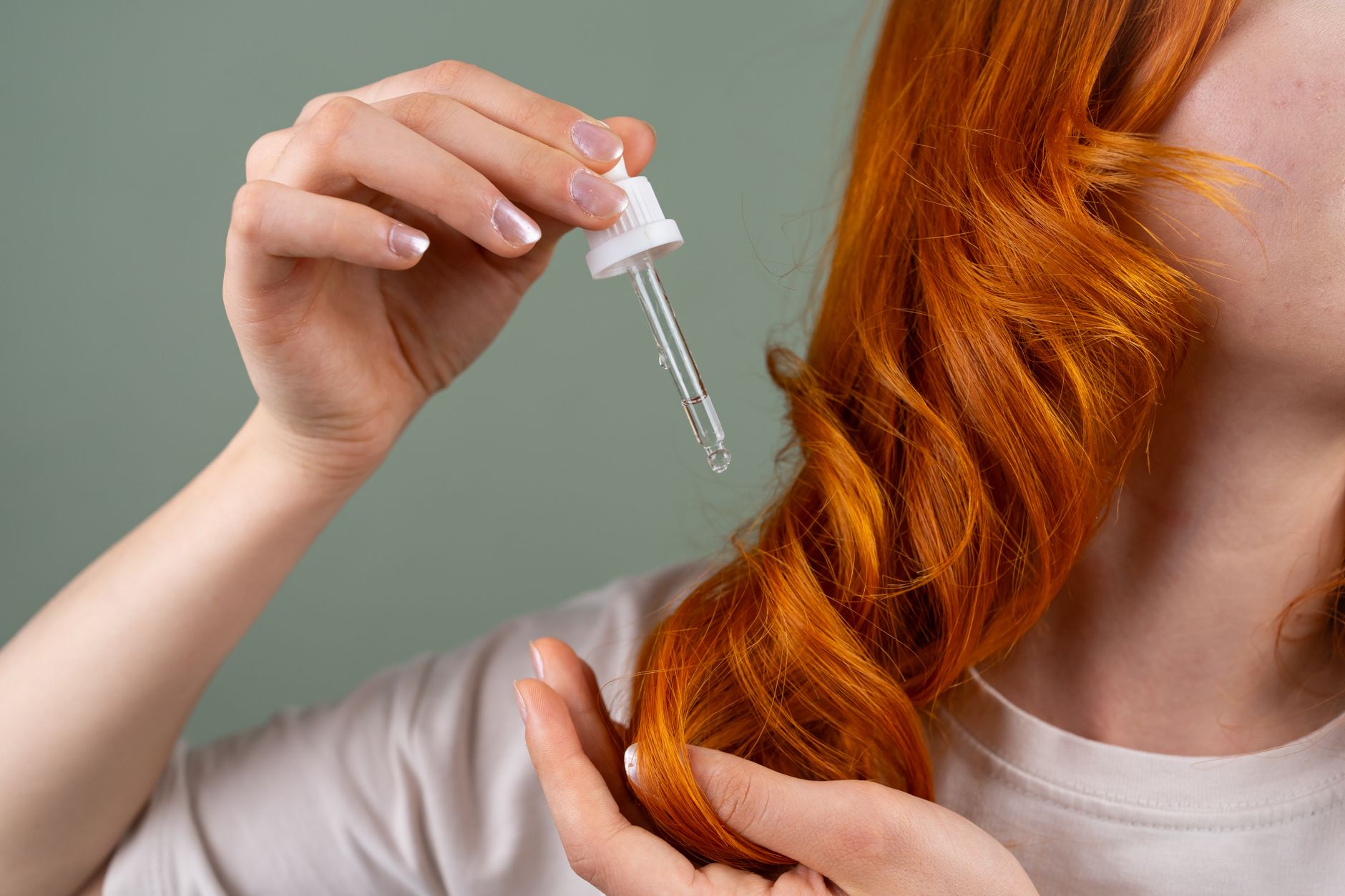
When it comes to hair care, many people are looking for effective and versatile products that can help maintain healthy locks. One product often discussed is baby oil, a classic amongst parents for its soothing properties for sensitive skin. But can it provide benefits for your hair as well? In this article, we explore whether baby oil is good for your hair, detailing its pros and cons, and how to incorporate it effectively into your hair care routine.
Baby oil is primarily mineral oil mixed with fragrance, which gives it a light and pleasant scent. Later on, we will delve into how these characteristics can affect your hair and whether it should be a staple in your hair care regimen.
Is Baby Oil Good for Your Hair?
Yes, baby oil can be good for your hair if used correctly. It provides moisture, adds shine, and can help protect your hair from damage. However, there are also some drawbacks to using baby oil, especially for those with specific hair types or concerns.
Pros of Using Baby Oil on Your Hair
Let’s take a closer look at the benefits of incorporating baby oil into your hair care routine:
- Moisturizing Properties: Baby oil is primarily made of mineral oil, which is known for its moisturizing qualities. It can help retain moisture in your hair, making it beneficial for dry or damaged strands.
- Shine Enhancer: Applying baby oil can give your hair a glossy finish. This is particularly useful for dull hair that lacks luster.
- Split End Prevention: While baby oil can’t repair split ends, it can help temporarily seal them by providing a protective layer over the hair cuticle, making your hair look healthier.
- Frizz Control: Baby oil can help reduce frizz and flyaways, offering a smoother appearance, especially in humid conditions.
- Heat Protection: Although it isn’t a substitute for a dedicated heat-protectant spray, baby oil can provide a level of protection when using heat styling tools.
Cons of Using Baby Oil on Your Hair
Despite its benefits, baby oil may not be suitable for everyone. Here are some cons to consider:
- Weight and Greasiness: Baby oil can be heavy, particularly for fine or thin hair. An excessive amount can lead to greasy strands that look unwashed.
- Clogged Pores: If baby oil is applied to the scalp, it may clog pores, which could lead to scalp issues like acne or buildup.
- Hard to Wash Out: Mineral oil can be difficult to remove from hair, often requiring multiple washes with a clarifying shampoo.
- Not Suitable for All Hair Types: Curly or textured hair may weigh down or alter how curls form. Some may find it causes product buildup or doesn’t provide adequate moisture compared to other oils like coconut or argan oil.
How to Use Baby Oil for Your Hair
If you decide to try baby oil for your hair, here are some practical ways to use it:
As a Pre-Shampoo Treatment
- Start with dry hair and apply a few drops of baby oil to your fingertips.
- Gently massage it into the ends of your hair, avoiding the scalp to prevent greasiness.
- Leave the oil on for at least 30 minutes, or overnight for intense conditioning.
- Shampoo and condition your hair as normal. You may need to use a clarifying shampoo to remove all the oil.
As a Post-Styling Serum
- After styling, rub a small amount of baby oil between your palms.
- Gently run your hands through the ends of your hair to add shine and tame frizz.
- Use a little oil to smooth any flyaways, but be cautious not to apply too much.
As an Ingredient in DIY Hair Masks
To enhance your hair mask, consider mixing baby oil with other nourishing ingredients. Here’s a simple DIY mask:
- Combine equal parts baby oil, honey, and coconut oil in a bowl.
- Apply the mask to dry hair, focusing on the ends.
- Leave it on for 30-60 minutes before shampooing and conditioning as usual.
Choosing Baby Oil vs. Other Oils
While baby oil has its benefits, it is essential to consider other oils for hair care as well. Many natural oils may offer better hydration and nourishment without the drawbacks associated with baby oil:
- Coconut Oil: Known for its penetrating properties, coconut oil can nourish the hair shaft, helping to prevent protein loss.
- Argan Oil: Packed with essential fatty acids and vitamin E, argan oil is a lighter option that hydrates and adds shine without heaviness.
- Jojoba Oil: This oil closely mimics the natural oils produced by the scalp, making it excellent for balancing oil levels and moisturizing without greasiness.
- Olive Oil: Rich in antioxidants, olive oil can add moisture and shine while also strengthening hair.
Considerations for Hair Type
Your hair type plays a significant role in whether baby oil will benefit you. Consider the following guidelines:
Fine or Thin Hair
Baby oil may be too heavy for fine or thin hair, leading to a greasy appearance. Opt for lighter oils like argan or grapeseed oil.
Curly or Textured Hair
If you have curly or textured hair, using baby oil sparingly may be beneficial for frizz control. However, you might find that other products designed for your hair type work better overall.
Dry or Damaged Hair
For those with dry or damaged hair, baby oil can help seal in moisture, but it’s wise to combine it with a more nourishing oil or deep conditioner.
Color-Treated Hair
If you color your hair, be cautious with baby oil, as it could strip color over time. Opt for oils specifically designated as safe for color-treated hair.
Common Mistakes to Avoid
When incorporating baby oil into your hair care regime, keep these tips in mind to avoid common pitfalls:
- Using Too Much: Start with a small amount to avoid weighing your hair down. You can always add more if necessary.
- Applying to the Scalp: Unless you have particularly dry patches, it’s best to apply baby oil only to the hair shafts and ends.
- Not Washing Out Properly: Remember that mineral oil can be stubborn. Use a clarifying shampoo if you find residual oil after your normal wash.
Realistic Expectations
It’s important to set realistic expectations when using baby oil. While it can provide benefits such as added shine and moisture, it should not replace your entire hair care routine. Incorporate baby oil as one of many tools in your hair care arsenal, alongside regular shampooing, conditioning, and treatment products suited to your specific hair needs.
Frequently Asked Questions
Can baby oil help with hair growth?
No, baby oil does not promote hair growth. While it may improve the appearance of hair by adding moisture and shine, it cannot rejuvenate hair follicles or stimulate growth.
Is baby oil safe for all hair types?
While it can be safe for many hair types, baby oil may not be suitable for those with fine or oily hair, as it can weigh it down and cause greasiness.
How often should I use baby oil on my hair?
This depends on your hair type and needs. If you have dry or damaged hair, using baby oil once a week as a treatment may be beneficial. Monitor how your hair responds and adjust as necessary.
Can I use baby oil on my scalp?
It’s not advisable to apply baby oil directly to your scalp unless you have specific dry patches or conditions. If you choose to use it on your scalp, ensure you use a minimal amount to avoid clogging pores.
Conclusion
Baby oil can be a practical addition to your hair care routine, offering moisturizing and shine-enhancing benefits for those with dry or damaged hair. However, due to its weight and potential to clog pores, it may not be suitable for everyone. By understanding the pros and cons, and how to incorporate it into your routine, you can make an informed decision. Consider testing it out alongside other oils to find a balanced approach tailored to your hair needs.
For more insights into caring for your hair, check out our guides on what coconut oil does for your hair and how to moisturize hair for additional tips and techniques.