
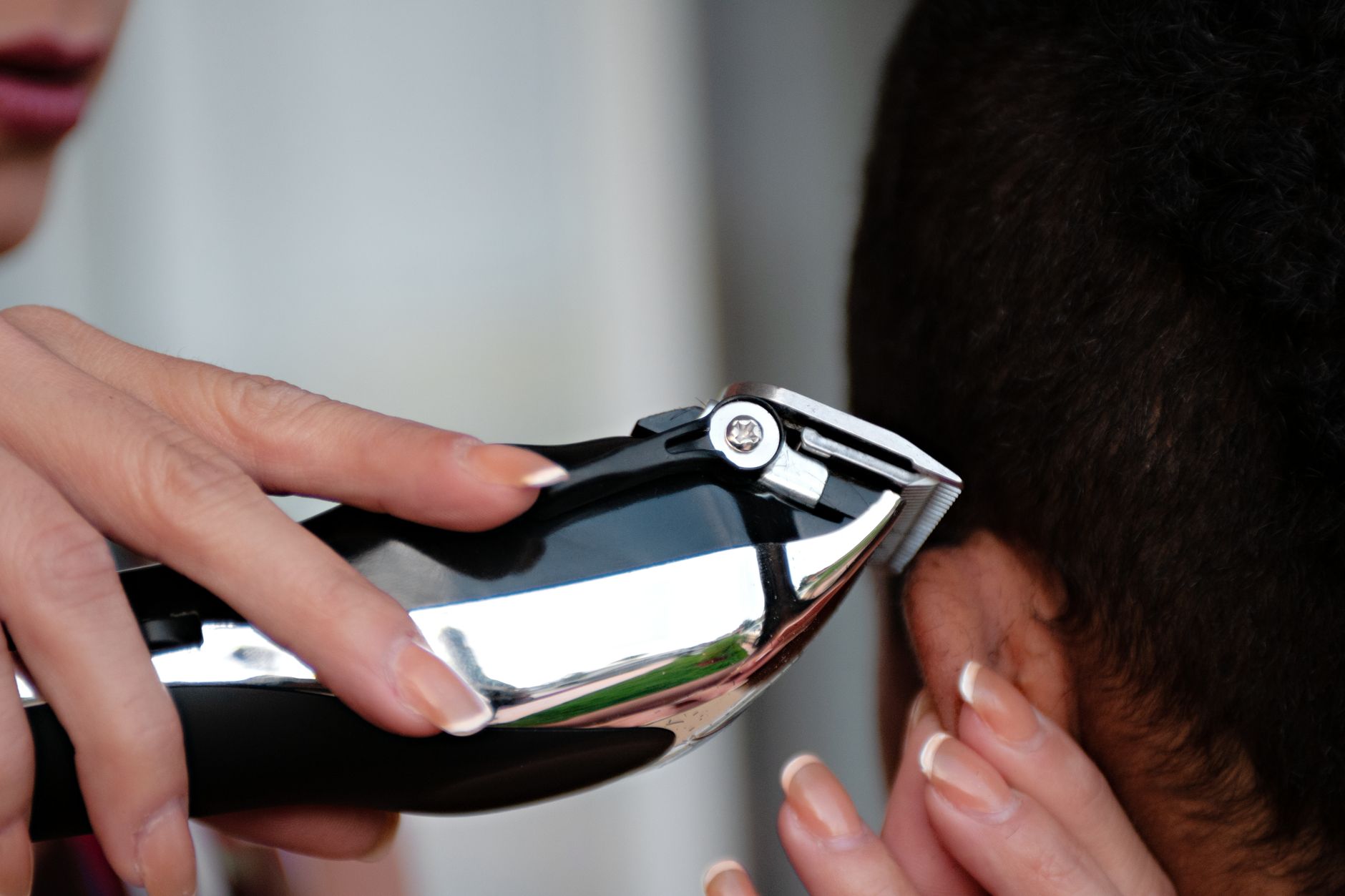
Trimming your own hair can be a practical and rewarding skill to master. Many men prefer to take this into their own hands for a variety of reasons, from budget considerations to the convenience of avoiding trips to the salon. With the proper tools and techniques, you can achieve a fresh and clean look right at home.
This guide will provide you with easy tips, techniques, and steps to successfully trim your own hair. Whether you want to maintain your current style or experiment with something new, we’ll cover everything you need to know to get started and feel confident in your DIY hair trimming journey.
How to Trim Your Own Hair Male?
To trim your own hair as a male, you need to gather the right tools, determine a comfortable place to work, and follow specific techniques. Familiarizing yourself with your hair type and desired style is key to achieving a clean and polished look.
Essential Tools for Hair Trimming
Before you begin, gather the necessary tools. These will help you achieve the desired cut and make the process smoother. Here’s a list of essential tools to consider:
- Haircutting scissors
- Clippers and clipper guards
- Comb
- Mirror (preferably a second mirror for a better view)
- Hair clips or ties
- Spray bottle with water (optional)
- Cape or old towel to catch hair (optional)
Preparing for the Trim
Preparation is essential when it comes to cutting your hair. Here are some steps to take before you start trimming:
- Choose a well-lit space: Find a comfortable and well-lit area where you can see your hair clearly. Good lighting is crucial for spotting uneven areas.
- Wear an old shirt: If you don’t have a cape, wear an old shirt that you don’t mind getting hair on.
- Hydrate your hair: If your hair is very dry, consider lightly misting it with water to ease the cutting process. Wet hair is generally easier to cut cleanly.
- Decide on the length: Depending on your hair type and desired style, decide how much you want to trim off. Start small; you can always take off more if needed.
Understanding Hair Types and Styles
Before beginning to cut, it’s essential to understand your hair type and the style you want to achieve. Different hair textures and styles will require different approaches:
- Straight Hair: Straight hair can be cut dry or wet. It tends to show unevenness more than curly hair.
- Curly Hair: Curly hair is often best cut when it is dry to see how the curls lay. This helps to avoid cutting too much and ensures a shape that complements the curls.
- Wavy Hair: Wavy hair can be a combination of the two types. It can be trimmed wet or dry, but be aware of how it may spring up when dry.
- Thick Hair: Thick hair often requires thinning techniques to reduce bulk. A razor or thinning scissors may help.
- Thin/Fine Hair: Fine hair can be cut uniformly and tends to look fuller with blunt cuts.
Steps to Trim Your Own Hair
Once you’ve prepared and understood your hair type, you can begin trimming. Follow these straightforward steps for a successful hair trim:
1. Section Your Hair
Dividing your hair into manageable sections will make the trimming process easier and more systematic. Use clips to secure the sections you are not currently cutting to keep them out of the way.
2. Use the Right Technique
Depending on the desired length and style, your cutting technique may vary. Here are some options:
- Point Cutting: This technique involves snipping the ends of your hair at an angle to create a more textured and natural look.
- Blunt Cutting: For a clean line, hold the scissors parallel to the floor and cut straight across. This is great for maintaining a trim length with minimal layering.
- Clipping Method: If you prefer using clippers, start with a longer guard to prevent cutting too much off. Gradually work your way down to a shorter guard to achieve the desired length.
3. Cut in Small Sections
Take small sections of hair for cutting. This allows for better control and reduces the risk of cutting too much hair at once.
4. Check Your Progress Regularly
As you trim, place the pieces of hair you’ve cut to the side and regularly check your reflection. This will help you maintain an even length and catch any mistakes before you go too far.
5. Blend the Layers
If you are adding layers, blend them with your existing hair by using the point cutting technique mentioned earlier. This will create a more natural look and avoid stark contrasts between layers.
How to Use Clippers for Hair Trimming
Using clippers can expedite the hair trimming process and yield a well-groomed appearance. Keep the following tips and techniques in mind:
Choosing the Right Guard
Clippers come with various guard sizes to determine the length of hair left after cutting. Here’s a brief guide to common guard sizes:
- #1 – 1/8 inch (very short)
- #2 – 1/4 inch (short)
- #3 – 3/8 inch (medium short)
- #4 – 1/2 inch (medium)
- Longer guards – 5/8 inch and above (for longer styles)
Always begin with a longer guard size to avoid cutting too much hair.
Technique for Clipper Cutting
When using clippers, follow these steps:
- Start at the back: Move the clippers against the grain of the hair, starting at the nape of your neck. Work your way up to the crown.
- Blend the sides: Switch to a shorter guard as you move from the back to the sides. Make sure to angle the clippers for a natural gradient.
- Check your symmetry: Frequently check that both sides of your head are even by placing the clippers against each side and comparing the length.
Common Mistakes to Avoid
Even experienced individuals may run into challenges. Here are some common mistakes to avoid:
- Cutting too much hair at once can lead to uneven results.
- Rushing the process may cause mistakes. Take your time to ensure satisfaction.
- Neglecting to check for symmetry can lead to uneven sides or lengths.
- Ignoring maintenance. Regular trims every few weeks can keep your style looking fresh.
Finishing Touches
Once you have completed your trim, it’s essential to tidy up:
- Remove loose hairs from your shoulders or neck.
- Style your hair as you normally would to see how it falls naturally.
- Check your work in different lighting in case you missed any spots.
Maintaining Your Hair After Trimming
After trimming your hair, proper maintenance is critical to keep your locks healthy and looking their best. Here are some suggestions:
- Wash regularly: Clean your hair periodically to remove buildup and excess oils.
- Condition your hair: Use a good conditioner to keep your hair hydrated and manageable.
- Visit a professional when needed: If you’re unsure about a style or the overall trim, don’t hesitate to book a visit with a hair professional for guidance.
When to Consider Professional Help
While trimming your own hair can be fulfilling, there are occasions when you should consider seeking professional help:
- When trying a new or complicated style that requires expertise.
- If you are not satisfied with the results and need adjustments.
- For a major change, such as a significant length reduction.
Conclusion
Taking the plunge to trim your own hair can empower you to maintain your look while saving time and money. By following the tips and techniques outlined here, you will undoubtedly gain the confidence needed to achieve a great haircut at home.
Ready to enhance your haircare routine further? Explore our guides on how to cut your own hair and how to cut hair with clippers for more insights. Embrace your new skills and enjoy looking your best!