
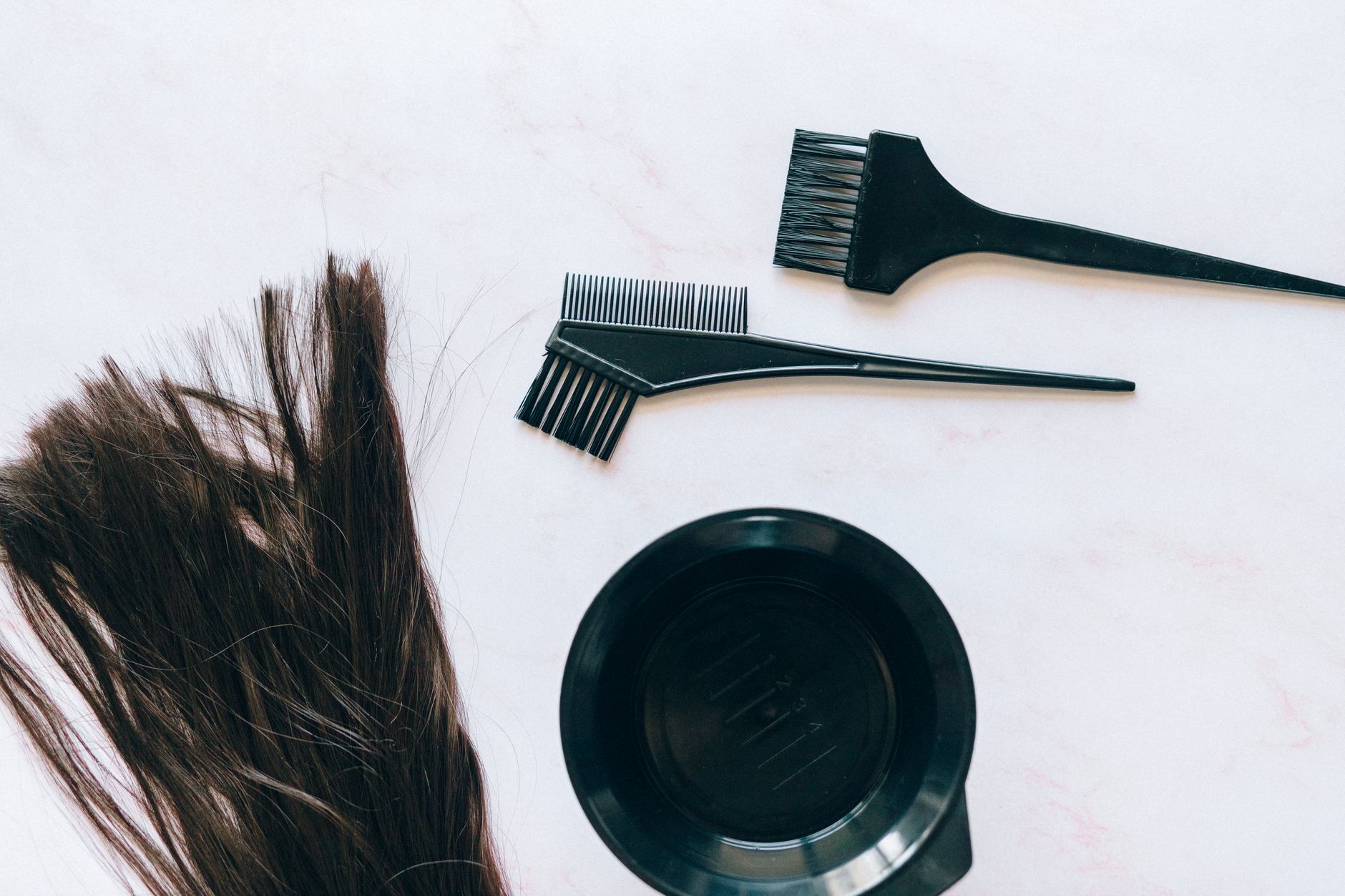
Keratin is a protein that constitutes the foundation of hair, skin, and nails, playing a vital role in maintaining healthy structures. For many, keratin treatments have become a popular choice for achieving smoother, shinier hair. However, a question that often arises is: is keratin genuinely good for hair? Let’s explore the benefits, safety, risks, and potential alternatives to help you make informed decisions for your hair care routine.
Understanding keratin involves delving into its properties and how it interacts with hair. This article will examine why many people turn to keratin, the science behind it, and the considerations you should keep in mind when considering keratin treatments or products.
Is Keratin Good for Hair?
Yes, keratin can be beneficial for hair as it helps strengthen and smooth the hair shaft, enhancing shine and manageability. However, the effectiveness of keratin treatments depends on hair type, individual needs, and product formulation. While keratin can improve certain conditions, it’s essential to be aware of associated risks and alternative options.
Understanding Keratin Treatments
Keratin treatments are typically salon-based services that claim to smooth, straighten, and add shine to hair. There are two primary types: Brazilian keratin treatments and keratin-infused products. Here’s a closer look:
- Brazilian Keratin Treatments: These involve applying a keratin solution to the hair and sealing it with heat. The process can result in frizz reduction and improved manageability.
- Keratin-Infused Products: These are shampoos, conditioners, and hair masks designed for at-home use. They contain hydrolyzed keratin that can temporarily help repair and smooth hair.
The Benefits of Keratin for Hair
Keratin treatments and products can offer several benefits for improving hair quality:
Smoothing and Frizz Control
Keratin acts as a smoothing agent that fills in gaps along the hair shaft, reducing frizz and flyaways. This smoothing effect can help people with coarse or curly hair achieve a sleeker appearance.
Enhanced Shine
Keratin helps create a glossy finish by reducing light scattering from damaged or porous hair strands. This leaves hair looking healthier and shinier.
Strength and Resilience
With regular use, keratin can strengthen the hair shaft, making it more resistant to heat styling and breakage. This may be particularly beneficial for chemically treated hair.
Improved Manageability
Keratin treatments can make hair easier to style and maintain. This can save time during your daily hair care routine, especially for those with unruly hair.
Are There Any Risks or Concerns?
While keratin treatments can be attractive options for managing hair, there are several risks and concerns to consider:
Formaldehyde Exposure
Many keratin treatments contain formaldehyde or its derivatives, which are used as preservatives and bonding agents. Formaldehyde can be irritating to the skin, eyes, and respiratory system. Although some formulas are labeled as “formaldehyde-free,” they may still release this chemical when heated. It’s essential to choose treatments wisely and consult with a professional salon about ingredients.
Potential Hair Damage
If misapplied or overused, keratin treatments can lead to dryness, brittleness, or even breakage over time. It’s crucial to follow a professional’s guidelines and not exceed recommended treatments.
Allergic Reactions
Some individuals may experience allergic reactions to keratin products or the chemicals used in treatments. Always perform a patch test before trying any new product to minimize the risk of irritation or allergic response.
Cost Considerations
Keratin treatments can be more expensive than traditional hair care products, with salon treatments often costing several hundred dollars. This can be a factor when deciding if such treatments are part of your beauty budget.
Who Can Benefit Most from Keratin?
Certain hair types may see the most significant benefits from keratin treatments. Consider the following:
- Curly and Coarse Hair: Those with thick and frizzy hair may benefit the most from keratin treatments, as they can significantly smooth and reduce volume.
- Chemically Treated Hair: If your hair has been colored or processed, keratin can help restore strength and manageability.
- Time-Constrained Individuals: If you seek a solution that can minimize styling time, keratin treatments can provide longer-lasting results compared to traditional hair care products.
Alternatives to Keratin Treatments
While keratin can provide benefits, there are several alternatives that can also enhance hair health without some of the associated risks:
Protein Treatments
Various protein treatments (like those containing silk or wheat proteins) can strengthen hair without formaldehyde. These treatments fortify the hair without the harsh effects of chemical processing.
Natural Oils
Natural oils such as argan, coconut, and jojoba oil can provide shine, hydration, and frizz control. Using oils can nourish the hair in a gentler manner and can be incorporated into your regular hair care routine.
Moisturizing Masks
Hydrating hair masks can help restore moisture and elasticity to dry or damaged hair. Look for products containing ingredients like shea butter, aloe vera, or honey.
Heat Protectants
If you frequently heat style your hair, using a heat protectant can help minimize damage while keeping the hair smooth and shiny. Look for silicon-based formulas that create a barrier against heat.
DIY Treatments
Creating a DIY hair mask with natural ingredients such as avocado, banana, or yogurt can provide nourishment and hydration without harmful chemicals. Incorporating these into your routine may offer healthier alternatives.
Steps to Incorporate Keratin or Alternatives into Your Routine
Introducing keratin treatments or alternatives into your hair-care routine can be straightforward. Here’s how:
- Assess Your Hair Type: Understand your hair type and specific concerns to determine the suitability of keratin treatments or alternatives.
- Consult Professionals: Before trying any treatment, consult with a hairstylist or trichologist to identify the best options for your hair.
- Patch Test: For new products, perform a patch test on a small area of skin to check for any allergic reactions or irritation.
- Follow Instructions: Whether using a keratin treatment or an alternative at home, always adhere to the product instructions for the best results.
- Monitor Hair Condition: After introducing a new product or treatment, pay attention to how your hair responds. Adjust usage based on its condition.
Common Mistakes to Avoid
When considering keratin treatments or alternatives, avoiding these common missteps can enhance your results:
- Skipping Professional Consultation: Seeking professional advice can help tailor treatments to your specific hair needs and minimize risks.
- Overusing Products: Using keratin treatments too frequently can lead to damage. It’s important to find a balance that works for your hair type.
- Neglecting Aftercare: Proper aftercare, including using sulfate-free shampoos and minimizing heat styling, is essential to maintaining results.
- Ignoring Natural Alternatives: Remember that natural oils and moisturizing masks can offer reliable hydration and shine without harsher chemicals.
Understanding Expectations and Realistic Results
It’s essential to understand that keratin treatments and alternatives come with varying results that are often simply cosmetic in nature:
- Temporary Effects: Keratin treatments typically provide smoothing effects for several weeks to months, depending on the type and hair care routine afterward.
- Individual Variation: Results can differ based on hair type, texture, and current condition. Therefore, individual experiences may vary.
- Maintenance Requirements: Maintaining results often requires specific aftercare routines and periodic treatments, which can affect overall commitment.
Conclusion
Keratin can offer various benefits to hair, promoting strength, smoothness, and shine. However, potential risks and the need for careful consideration are essential for making an informed decision regarding keratin treatments. Exploring alternatives and understanding individual needs further enhances your hair care journey.
Ready to dive deeper into understanding keratin and hair care? Check out our guide on what keratin is or learn how to use a hair mask for added nourishment.