
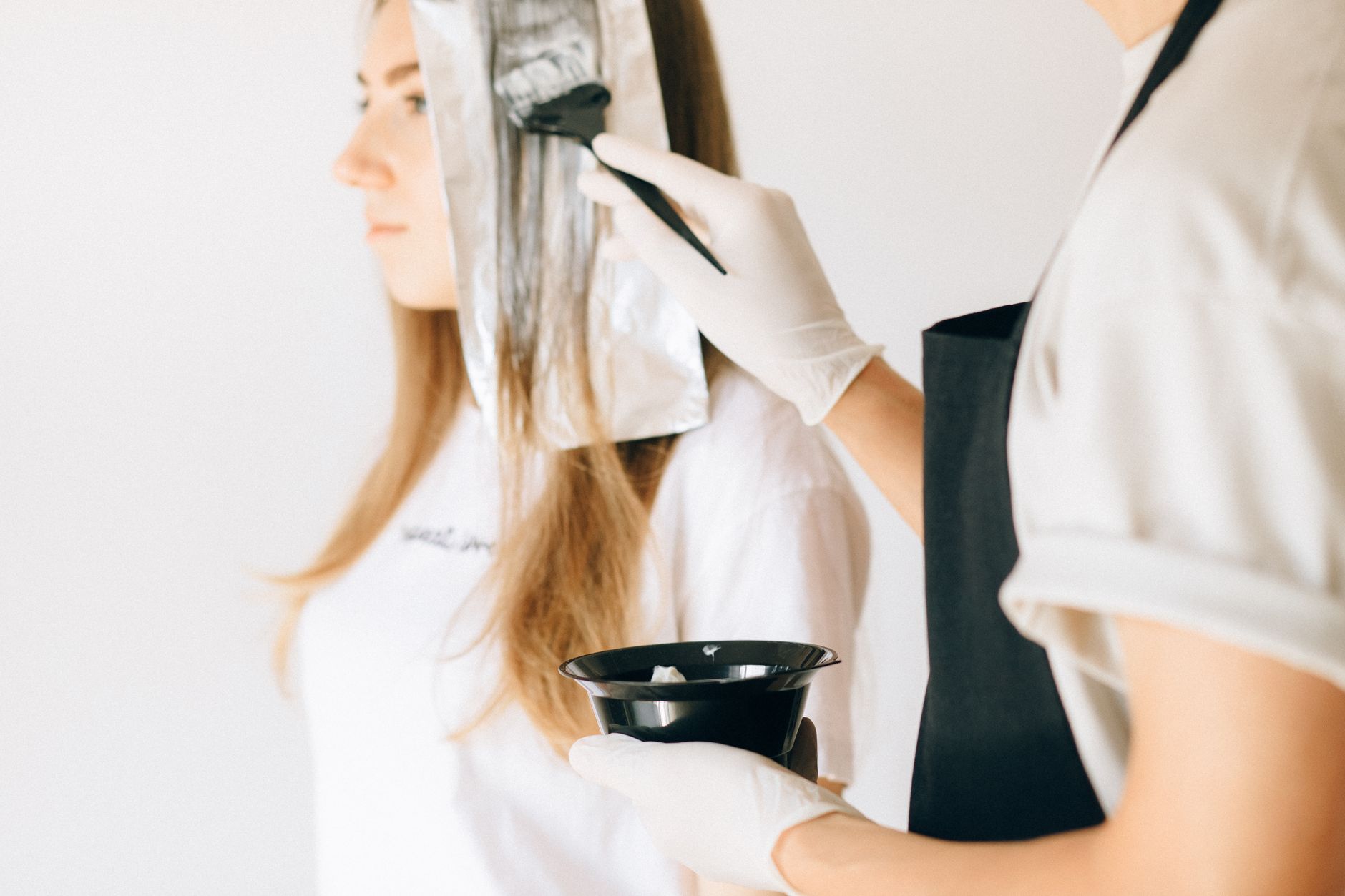
Many people seeking solutions for damaged or chemically treated hair have come across the buzz around Olaplex. Known for its bond-building technology, this brand claims to significantly improve hair health and integrity. With numerous products available, it’s important to explore whether Olaplex is actually good for your hair and how it works.
This article examines the key ingredients of Olaplex products, their effectiveness, and how they cater to different hair types and concerns. Whether you’re dealing with color-treated hair, heat damage, or natural texture, understanding how Olaplex works can help you make informed decisions for your hair care routine.
Is Olaplex Good for Your Hair?
Yes, Olaplex is good for your hair, particularly for those who frequently color, bleach, or use heat treatments. Its patented bond-building technology repairs damaged hair at a molecular level, helping to restore strength and elasticity. However, results can vary based on individual hair types and conditions.
Understanding Hair Damage
Before delving into Olaplex’s ingredients and performance, it’s essential to understand what causes hair damage. Factors contributing to hair damage include:
- Chemical treatments such as coloring, perming, or straightening.
- Excessive heat styling with tools like straighteners and curling irons.
- Environmental factors like UV exposure and pollution.
- Physical stress from tight hairstyles or rough handling.
When hair fibers are damaged, they lose their natural structure, leading to split ends, breakage, and a lack of shine. This is where products like Olaplex come into play.
What is Olaplex?
Founded in 2014, Olaplex offers a range of hair care products designed to repair damaged hair. At the core of its effectiveness is a unique bonding technology that works to reconnect broken disulfide bonds in the hair that can be fractured during chemical processes or heat styling.
Key Ingredients in Olaplex
Olaplex products contain several key ingredients that collectively help rebuild and strengthen hair. The most crucial of these include:
Bis-aminopropyl Diglycol Dimaleate
This patented ingredient is the cornerstone of the Olaplex formula. It works by creating new disulfide bonds and strengthening existing ones, which is vital for damaged hair. It helps to rebuild the hair’s internal structure, making it more resilient to future damage.
Cetrimonium Chloride
Commonly used as a conditioning agent, cetrimonium chloride also helps to minimize static and frizz. It makes hair easier to detangle, which is beneficial for maintaining the integrity of fragile strands.
Water (Aqua)
Water acts as a solvent in many hair care formulations, providing hydration and assistive property to the overall product. The moisture is crucial for maintaining healthy hair, helping it feel softer and more manageable.
Dimethicone
This silicone-based compound adds shine and smoothness to hair by coating it and preventing moisture loss. While some may have concerns about silicones in hair care, they can provide temporary smoothing benefits.
Various Oils and Extracts
Many Olaplex products also include essential oils and botanical extracts for added nourishment and hydration. Depending on the formulation, these ingredients can enhance shine, softness, and overall hair health.
How Does Olaplex Work?
Olaplex products primarily focus on repairing broken bonds in hair, making them particularly effective for those who have chemically processed or heat-damaged hair. Here’s a breakdown of how to use Olaplex effectively:
Different Olaplex Products
Olaplex offers several products that vary in application and purpose. Here’s a closer look:
- Olaplex No. 1: Bond Multiplier – Typically used in salons during chemical services to minimize hair damage.
- Olaplex No. 2: Bond Perfector – Also used in salons, it complements the Bond Multiplier, enhancing the repair process after treatments.
- Olaplex No. 3: Hair Perfector – A take-home treatment designed to be used once a week. It continues the bond-building process between salon visits.
- Olaplex No. 4: Bond Maintenance Shampoo – A sulfate-free shampoo that cleanses while maintaining healthy bonds in the hair.
- Olaplex No. 5: Bond Maintenance Conditioner – Works in combination with the shampoo to hydrate and repair while making hair easier to manage.
- Olaplex No. 6: Bond Smoother – A leave-in styling cream that eliminates frizz and protects against styling heat.
- Olaplex No. 7: Bonding Oil – A lightweight oil that provides shine, heat protection, and hydration.
How to Use Olaplex in a Hair Care Routine
At-home use of Olaplex allows individuals to maintain their hair health effectively. Here is a simple routine incorporating Olaplex:
- Use Olaplex No. 3 Once a Week: Apply a generous amount to damp, towel-dried hair. Leave it on for at least 10 minutes (or longer for more intensive treatment) before rinsing.
- Wash with Olaplex No. 4 Shampoo: Use the Bond Maintenance Shampoo to cleanse your hair. It’s designed to be gentle on the hair and will help maintain the bonds created by the No. 3 treatment.
- Condition with Olaplex No. 5: After shampooing, follow with the Bond Maintenance Conditioner. Leave it on for a few minutes before rinsing out.
- Style with Olaplex No. 6 or 7: Once your hair is towel-dried, apply either the Bond Smoother for styling or Bonding Oil for added shine and heat protection.
Be mindful of your hair’s specific needs; some users may only benefit from certain products. Start slowly, especially if you are unfamiliar with these types of formulations.
Who Can Benefit from Olaplex?
Olaplex is particularly suitable for individuals with:
- Color-treated hair that has been bleached or processed.
- Hair that has sustained heat damage due to styling.
- Textured or coarse hair requiring additional moisture and bond reinforcement.
- Weak, brittle hair prone to breakage.
However, if you have an oily scalp or fine hair, some Olaplex products may weigh your strands down, so testing different formulations gradually is advisable.
Common Misconceptions about Olaplex
While Olaplex has gained a reputation for being revolutionary in hair care, some misconceptions surround its effectiveness and proper usage. Here are a few clarifications:
Olaplex Repairs All Types of Damage
While Olaplex is effective for many forms of damage, it cannot “cure” every issue. For example, it can’t fix split ends or unique medical conditions that affect hair growth.
Olaplex is Only for Chemically Treated Hair
Though it is especially beneficial for chemically treated hair, those with healthy hair can still benefit from the products, especially if they use heat styling tools regularly.
More is Always Better
Using more Olaplex than recommended will not lead to faster results. Follow the product directions for the best outcomes. Overuse can lead to buildup.
Signs of Irritation and Tips for Use
Though Olaplex is well-tolerated by most, some individuals may experience irritation or dryness. Here are signs to watch for:
- Scalp itching or redness after application.
- Increased dryness or brittleness post-treatment.
- Unusual breakage or excessive frizz.
If any of these occur, discontinue use and consult a qualified professional. Additionally, it’s always a good practice to perform a patch test if you’re trying a new product for the first time.
Combining Olaplex with Other Products
Olaplex can be part of a comprehensive hair care routine. However, it is beneficial to choose complementary products wisely. Consider the following:
- Opt for sulfate-free shampoos to maximize moisture retention and bond maintenance.
- Include deep conditioning masks for hydration alongside Olaplex treatments.
- Limit heat styling immediately after treatments to allow the bonds to set effectively.
Realistic Expectations and Results
Using Olaplex will not yield overnight changes in hair health. Here are some typical expectations:
- Visible improvement in hair texture after consistent use over a few weeks.
- More manageable hair with less frizz.
- Stronger hair with a reduced risk of breakage after several applications.
Ultimately, patience is key. Individual results may vary based on hair porosity, damage level, and personal care habits.
Conclusion
Olaplex is a reputable product line backed by significant science that aims to repair damaged hair effectively. With its unique bond-building technology, it caters to a variety of hair types and can help give a new lease of life to chemically treated or heat-damaged hair.
If you’re looking for ways to enhance your hair care routine, consider incorporating Olaplex products to aid in recovery and maintenance. Start with one or two key products and gradually build your regimen as you assess how your hair responds. Remember that healthy hair requires continual care and regularly using the right products is essential for maintaining its strength and beauty.
For those interested in learning about other hair care options, check out guides on coconut oil and keratin treatments.