
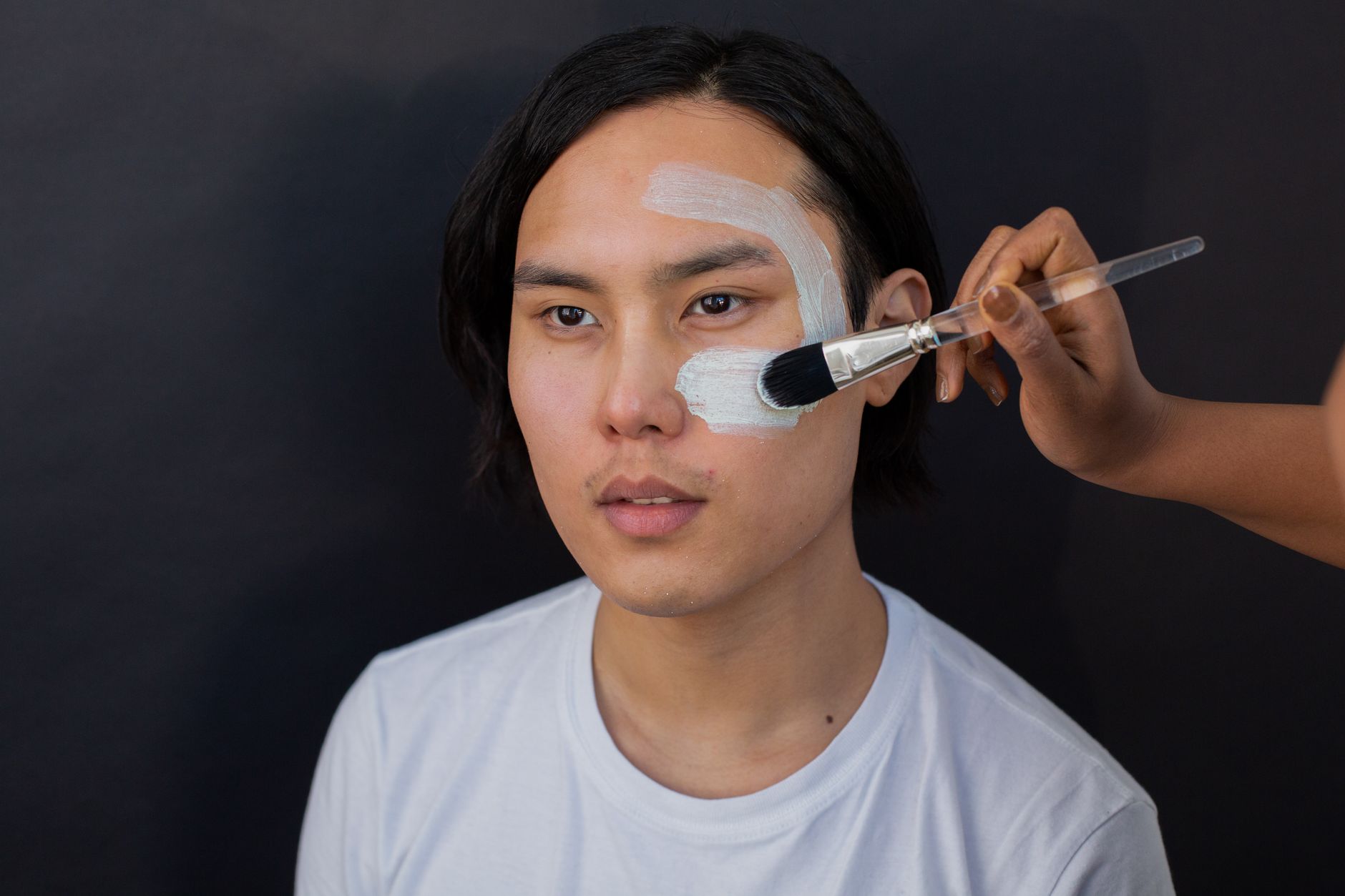
Benzoyl peroxide is a well-known ingredient in the world of skincare, particularly for those looking to combat acne. Understanding its mechanism and benefits can help you make informed choices for your skincare routine. Here, we delve into what benzoyl peroxide does, its advantages for acne treatment, potential side effects, and tips for safe use.
This article provides a comprehensive overview tailored for anyone interested in enhancing their skincare regimen or those dealing with acne. We will address how benzoyl peroxide works, who it benefits, and how to incorporate it successfully into your routine.
What Does Benzoyl Peroxide Do?
Benzoyl peroxide is a powerful topical treatment primarily used to target acne. It works by reducing acne-causing bacteria, promoting skin cell turnover, and preventing the formation of new blemishes. When applied to the skin, it releases oxygen, which helps to kill the anaerobic bacteria known as Propionibacterium acnes, one of the primary contributors to acne.
How Benzoyl Peroxide Helps with Acne
The benefits of benzoyl peroxide extend beyond just killing bacteria. Here are some key ways it contributes to clearer skin:
- Antimicrobial Action: Its antibacterial properties are effective in reducing the overall bacterial load on the skin, particularly during inflammatory acne outbreaks.
- Exfoliation: Benzoyl peroxide aids in the shedding of dead skin cells, preventing clogged pores—a common cause of breakouts.
- Anti-inflammatory Properties: By minimizing inflammation, it can help reduce the redness and swelling associated with acne lesions.
- Prevention of Breakouts: Regular use can result in fewer flare-ups by keeping pores clear and controlling oil production.
Who Can Benefit from Benzoyl Peroxide?
Benzoyl peroxide is most beneficial for individuals with:
- Oily and Combination Skin: Those with oily skin types generally see the best results since benzoyl peroxide can help manage excess oil and shine.
- Acne-Prone Skin: If you frequently experience breakouts, including whiteheads, blackheads, or cystic acne, benzoyl peroxide may be an effective part of your regimen.
- Sensitive Skin: While benzoyl peroxide is effective, some may find it irritating. It’s essential to monitor your skin’s response carefully.
Forms of Benzoyl Peroxide
Benzoyl peroxide is available in several formulations to suit different preferences and skin types:
- Gels: Lightweight and easily absorbable, gels are common for their effectiveness in delivering the active ingredient.
- Creams: Creams provide more hydration and might be better suited for drier skin types.
- Facial Washes: Cleansers containing benzoyl peroxide can be effective for daily use to help maintain clear skin.
- Pads: Pre-soaked pads offer convenience for on-the-go application.
How to Incorporate Benzoyl Peroxide into Your Routine
To achieve the best results with benzoyl peroxide while minimizing potential side effects, consider the following steps for your morning and evening skincare routines:
Morning Routine
- Cleanser: Start with a gentle cleanser suited for your skin type. You may choose a benzoyl peroxide facial wash.
- Toner: Use a hydrating, alcohol-free toner to balance skin pH.
- Benzoyl Peroxide Treatment: Apply a thin layer of benzoyl peroxide product on affected areas, avoiding sensitive areas like the eyes.
- Moisturizer: Follow with a lightweight, oil-free moisturizer to keep skin hydrated.
- Sunscreen: Always finish your routine with a broad-spectrum sunscreen (SPF 30 or higher) if you’re using benzoyl peroxide, as it can make your skin more sensitive to the sun.
Evening Routine
- Cleanser: Again, use a gentle cleanser to remove makeup and impurities.
- Exfoliation (2-3 times a week): Gentle exfoliation can help remove dead skin cells but should be limited in frequency to avoid irritation.
- Benzoyl Peroxide Treatment: Apply benzoyl peroxide as directed, generally in a thin layer over the problematic areas.
- Moisturizer: Use a heavier moisturizer if your skin feels dry at night.
Common Mistakes to Avoid
Even though benzoyl peroxide can be beneficial, there are common pitfalls that could lead to skin irritation or decreased effectiveness:
- Using too much: More is not better. A small amount is usually effective; applying too much can lead to irritation.
- Inconsistent use: For optimal results, consistency is key. Avoid sporadic application.
- Layering with incompatible products: Avoid pairing benzoyl peroxide with certain active ingredients such as retinoids or glycolic acid, as this can increase irritation.
- Neglecting sunscreen: Always use sunscreen during the day when using benzoyl peroxide products. This ingredient can increase sun sensitivity.
Potential Side Effects of Benzoyl Peroxide
While benzoyl peroxide is generally safe for most people, it can cause the following side effects:
- Skin Irritation: Redness, stinging, or peeling skin is common, especially when starting.
- Dryness: It can lead to increased dryness or flakiness. Using a moisturizer can help combat this.
- Allergic Reactions: Some individuals may experience an allergic reaction, resulting in hives or severe irritation.
Patching Testing Benzoyl Peroxide
Prior to using benzoyl peroxide, it is prudent to conduct a patch test:
- Apply a small amount of the product on a discreet area of your skin, like your inner forearm.
- Wait 24 hours to see if any adverse reaction occurs. If irritation develops, it may be best to avoid further use.
Expected Results When Using Benzoyl Peroxide
When used correctly, many experience a noticeable decrease in acne severity and a reduction in the frequency of breakouts over time. However, results vary. Some may start seeing improvements within a few days, while others may need several weeks to observe significant changes. This variability is normal and can depend on factors such as:
- Skin type and initial acne severity.
- Consistency in product use.
- Complementary techniques and products.
Alternative Treatments for Acne
If benzoyl peroxide is not suitable for you—either due to side effects or preferences—consider alternatives, such as:
- Salicylic Acid: Ideal for exfoliating and clearing out pores, suitable for most skin types.
- Tea Tree Oil: A natural alternative with some antibacterial properties that many find beneficial.
- Retinoids: Effective for acne and general skin texture, but can be irritating. Consultation with a dermatologist is always a good idea.
Professional Treatments to Consider
If at-home treatments are not yielding results, consulting a dermatologist may present additional options:
- Prescription Medications: Topical or oral medications that could provide stronger interventions.
- Chemical Peels: These treatments can help clear out clogged pores and reduce acne scarring.
- Laser Therapy: Targeting deep layers of skin can help improve acne and scarring.
Final Tips for Success
To maximize your experience with benzoyl peroxide, keep these tips in mind:
- Always follow the product instructions carefully.
- Introduce one new product at a time to monitor how your skin reacts.
- Stay patient and consistent for the best long-term results.
In summary, benzoyl peroxide is a powerful topical treatment that can significantly benefit those with acne-prone skin. By understanding its properties, potential side effects, and proper usage, you can incorporate it effectively into your skincare regimen. If you experience persistent acne, consider reaching out to a healthcare professional for personalized advice.
For those interested in further skincare insights, you might find our guides on salicylic acid and how to get rid of cystic acne particularly helpful. Explore these resources to enhance your skincare knowledge and improve your beauty routine.