
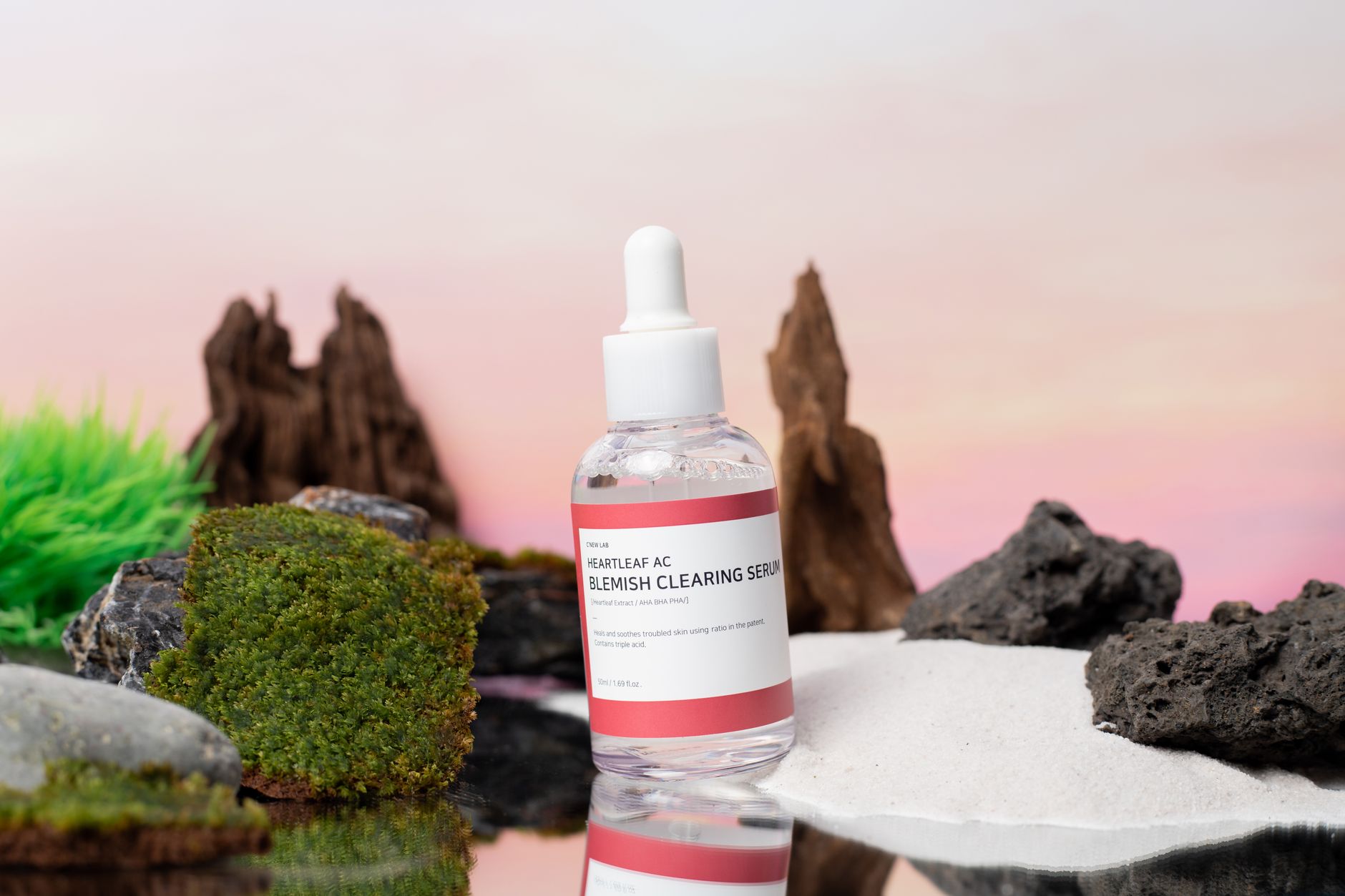
Acne is a common skin concern that affects many people at some point in their lives. This condition can lead to frustration, self-consciousness, and a desire for quick remedies. In this article, we’ll explore effective and practical methods to get rid of acne fast while considering different skin types and needs.
From over-the-counter treatments to natural remedies and lifestyle changes, tackling acne can be approached in several ways. Each person’s skin is unique, so it is essential to find the right combination of strategies that work best for you.
How to Get Rid of Acne Fast?
To get rid of acne fast, focus on targeted treatments that reduce inflammation, unclog pores, and inhibit acne-causing bacteria. Effective methods include regular cleansing, using the right skincare products, applying spot treatments, and improving overall skin health. However, patience and proper technique play crucial roles in achieving the best results.
Understanding Acne
Before diving into treatments, it’s helpful to understand what causes acne. Acne occurs when hair follicles become clogged with oil, dead skin cells, and bacteria. Different types of acne include:
- Whiteheads
- Blackheads
- Papules
- Pustules
- Cysts
Factors contributing to acne can include hormonal changes, genetics, diet, stress, and certain medications. Understanding your specific triggers can be a crucial first step in formulating an effective plan.
Identifying Your Skin Type
Your skin type can influence the types of products and treatments that will be most effective for you. Here are the main skin types:
- Oily Skin: Often experiences excess sebum production, leading to clogged pores. Look for oil-free products.
- Dry Skin: May also experience acne due to dehydration, requiring gentle, hydrating products.
- Combination Skin: Exhibits characteristics of both oily and dry skin. A balanced approach is crucial.
- Sensitive Skin: Prone to irritation and may react poorly to harsh ingredients. Focus on mild, soothing formulations.
Essential Steps for an Acne-Fighting Routine
When addressing acne, consistency is key. A well-rounded skincare routine can help manage and reduce breakouts effectively. Here’s a simple sequence of steps to follow, both morning and evening:
Morning Routine
- Cleansing: Use a gentle cleanser suited to your skin type to remove excess oil and impurities.
- Toning (Optional): A toner can help balance your skin’s pH and remove leftover impurities.
- Targeted Treatment: Apply any spot treatments containing benzoyl peroxide or salicylic acid directly to problem areas.
- Moisturizer: A non-comedogenic (won’t clog pores) moisturizer is essential for all skin types.
- Sunscreen: Always apply a broad-spectrum sunscreen with an SPF of 30 or more, as some acne treatments can increase sensitivity to the sun.
Evening Routine
- Cleansing: Cleanse your skin again to remove makeup, oil, and dirt accumulated throughout the day.
- Exfoliation (1-2 times a week): Use a chemical exfoliant containing AHAs or BHAs to remove dead skin cells and prevent clogged pores.
- Toning: Apply toner to refresh and balance the skin.
- Targeted Treatment: Apply the same spot treatment or a more potent acne treatment if recommended for nighttime use.
- Moisturizer: Use a night cream that hydrates without causing breakouts.
Effective Acne Treatments
When looking for quick solutions, certain treatments can help to reduce the appearance of acne and speed up healing:
1. Over-the-Counter Treatments
Ingredients to look for in over-the-counter products include:
- Benzoyl Peroxide: Kills acne-causing bacteria and helps to dry up excess oil.
- Salicylic Acid: A beta hydroxy acid (BHA) that penetrates the pores to unclog them and reduce inflammation.
- Alpha Hydroxy Acids (AHAs): Exfoliants that promote skin cell turnover and can help reduce the appearance of acne scars.
- Retinoids: Over-the-counter retinoids can speed up cell turnover and help prevent clogged pores.
When using these products, start with lower concentrations to minimize irritation, and gradually increase usage as your skin tolerates it.
2. Natural Remedies
Some natural ingredients may help calm acne-prone skin without harsh chemicals:
- Tea Tree Oil: An essential oil with antibacterial properties that may help reduce acne.
- Honey: Known for its antibacterial properties and can soothe and hydrate skin.
- Aloe Vera: Known for its soothing properties and can be applied as a gel to reduce redness and inflammation.
Always patch-test natural ingredients to avoid adverse reactions, and consider consulting with a professional if you experience sensitivity.
3. Lifestyle Changes
Certain lifestyle changes can also contribute to faster acne healing:
- Diet: Incorporate anti-inflammatory foods, such as fruits, vegetables, and whole grains, while reducing sugar and dairy intake where possible.
- Hydration: Drink plenty of water to maintain skin hydration and help flush out toxins.
- Stress Management: Practice stress-relief techniques such as yoga, meditation, or deep-breathing exercises.
- Sleep Hygiene: Prioritize getting enough restorative sleep to allow your body to heal.
Spot Treatments for Quick Results
When you feel a breakout coming on, spot treatments can be your rescue. Applying them directly to blemishes can provide faster results. Here’s how to use them:
- Clean the Area: Start by washing your face with a gentle cleanser.
- Apply Spot Treatment: Use a cotton swab or your fingertip to apply a thin layer of the treatment directly onto the blemish.
- Let It Dry: Allow the treatment to dry before applying other products.
- Avoid Overuse: Use spot treatments no more than twice a day to prevent irritation.
Common Mistakes to Avoid
When trying to get rid of acne fast, some common mistakes can hinder your progress:
- Picking or Squeezing: Avoid touching or picking at acne lesions as this can lead to scarring and further inflammation.
- Over-exfoliating: While exfoliation is essential, too much can irritate the skin and worsen acne.
- Inconsistent Routine: Adhering to a consistent skincare routine is vital for results, so stick with it.
- Neglecting Moisturizer: Even oily skin needs hydration. Skipping moisturizer can lead to increased oil production.
When to Seek Professional Help
If over-the-counter medications and lifestyle changes do not yield improvement after a few weeks, it might be time to seek professional assistance. A dermatologist can provide stronger prescription treatments, such as:
- Prescription topical treatments
- Oral medications
- Light or laser therapy
- Chemical peels
Taking a proactive approach with a dermatological professional can streamline the process, particularly for severe or persistent acne cases.
Setting Realistic Expectations
While it is possible to see some improvement quickly with targeted treatments, getting rid of acne is often not a one-time fix. Acne management requires commitment and patience. Here are some tips for maintaining realistic expectations:
- Track your progress weekly, rather than daily.
- Understand that everyone’s skin reacts differently; what works for one person may not work for another.
- Be kind and patient with your skin while it heals — perfection is not the goal.
Summary
Getting rid of acne fast involves a combination of effective treatments, a consistent skincare routine, and healthy lifestyle choices. Understanding your skin type and what triggers breakouts can enhance your approach. Always remember that while quick fixes can help, patience is vital in achieving clear, healthy skin.
As you begin your journey to clearer skin, consider exploring related guides on specific acne concerns, like getting rid of cystic acne and removing acne scars naturally to expand your knowledge and find additional tips that may suit your individual needs.