
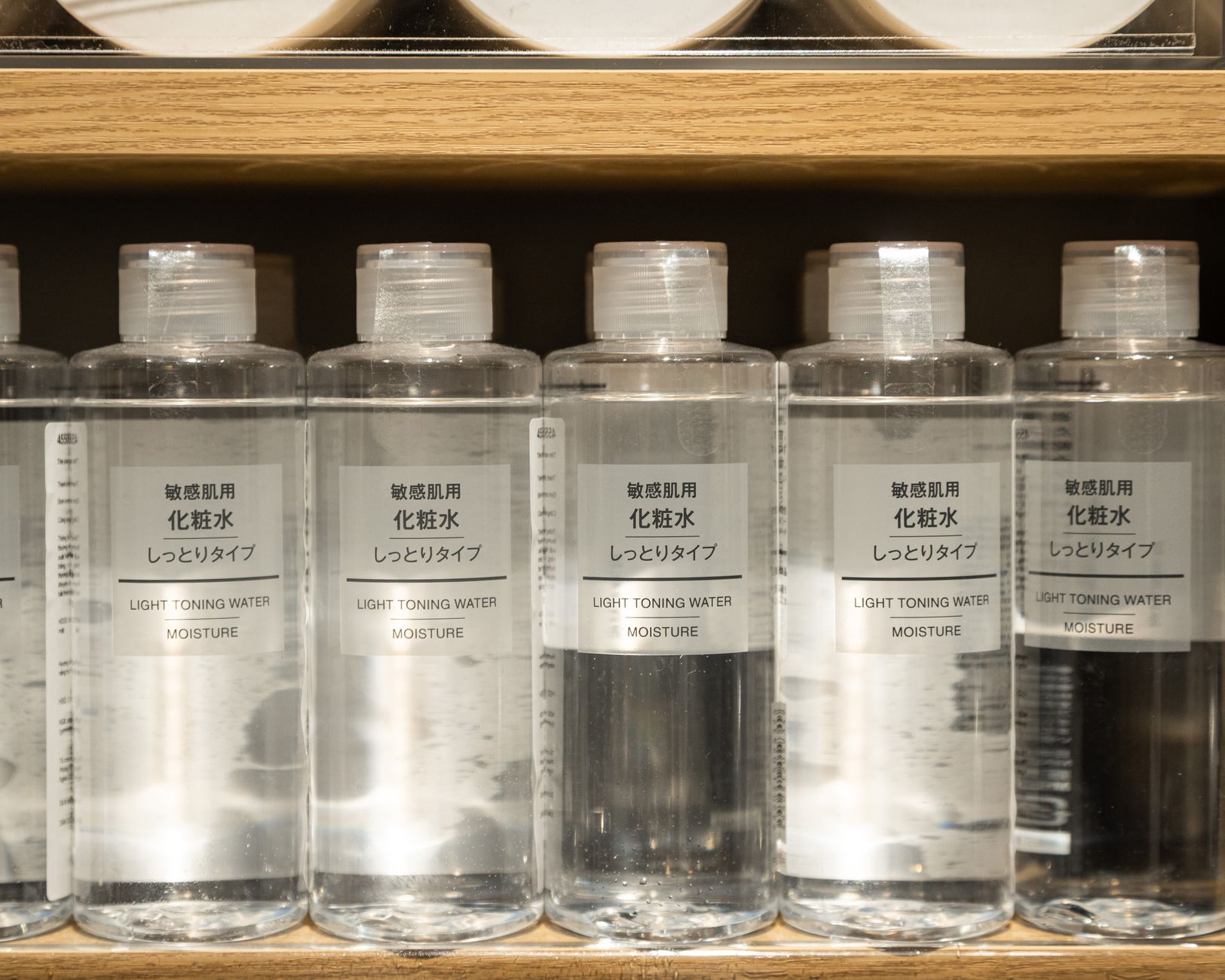
Toner is a liquid product used in skincare routines to help balance the skin’s pH, remove excess oil, and prepare the skin for subsequent products. Although often overlooked, toner can play a vital role in the health and appearance of your skin, making it a staple in many beauty routines.
In this comprehensive guide, we’ll explore what toner is, its benefits, how it fits into your skincare regimen, and the best options for various skin types.
What Is Toner for Skin?
Toner is a water-based solution formulated to be applied to the skin after cleansing and before moisturizing. Its primary purpose is to provide a second layer of cleansing, while also targeted at specific skin concerns such as dryness, oiliness, or signs of aging. Toners can contain various ingredients that benefit the skin, such as hydrating agents, exfoliating acids, or soothing botanicals.
Benefits of Using Toner
Incorporating toner into your skincare routine can have several advantages:
- Balances pH Levels: After cleansing, your skin may have a disrupted pH balance. Toner helps restore this balance, optimizing your skin for better absorption of products.
- Removes Residual Impurities: Even the best cleansers can leave behind makeup, dirt, and oil. Toner effectively removes this residue, leaving your skin clean and refreshed.
- Hydrates the Skin: Many toners include hydrating ingredients like glycerin or aloe vera that can provide an extra moisture boost.
- Minimizes Pores: Some toners promote the appearance of smaller pores, resulting in smoother skin texture.
- Prepares Skin for Better Product Absorption: By using toner, you ensure that serums and moisturizers penetrate the skin more effectively, maximizing their benefits.
- Addresses Specific Skin Concerns: Toners can be formulated to target specific issues, such as oily skin, acne, or pigmentation.
How to Use Toner in Your Skincare Routine
Using toner is straightforward and can easily fit into your daily skincare routine. Here’s how to incorporate it:
- Cleansing: Start by thoroughly cleansing your face with a suitable cleanser for your skin type.
- Apply Toner: Take a cotton pad, apply the toner directly onto the pad or pour a small amount into your hands, and gently press it onto your face. Avoid rubbing, as this can irritate the skin.
- Follow Up with Treatment Products: After applying toner, proceed with any serums or treatments tailored to your skin concerns.
- Moisturize: Finish your routine with a suitable moisturizer to lock in hydration.
Morning vs. Evening Use
Toners can be utilized both in the morning and at night. Using toner in the morning can prep your skin for makeup and ensure you start your day with a fresh canvas. In the evening, toner helps remove residual impurities accumulated throughout the day and prepares the skin for reparative nightly products.
Choosing the Right Toner for Your Skin Type
Not all toners are created equal, and figuring out the right one for your particular skin type is essential for maximizing its benefits. Here’s a guide to selecting the best toner based on your skin type:
For Oily Skin:
If you have oily or acne-prone skin, look for toners that contain:
- Salicylic Acid: Helps exfoliate and prevent clogged pores.
- Witch Hazel: A natural astringent that can help reduce oiliness.
- Tea Tree Oil: Known for its antibacterial properties and ability to combat acne.
For Dry Skin:
Those with dry or sensitive skin should seek toners with hydrating properties, such as:
- Glycerin: Attracts moisture to the skin.
- Aloe Vera: Soothes and hydrates the skin.
- Rosewater: Provides gentle hydration and has anti-inflammatory properties.
For Combination Skin:
Combination skin can benefit from a balanced toner that provides hydration without excessive oiliness. Ingredients to look for include:
- Hyaluronic Acid: Offers hydration while being lightweight.
- Green Tea Extract: High in antioxidants and soothing for various skin types.
For Sensitive Skin:
If you have sensitive skin, it’s essential to choose alcohol-free toners with calming ingredients such as:
- Chamomile: Known for its soothing properties.
- Cucumber Extract: Refreshes and hydrates the skin.
For Mature Skin:
For aging skin, look for toners that contain:
- Vitamin C: A powerful antioxidant that helps brighten and firm the skin.
- Peptides: Support collagen production for improved elasticity.
Common Mistakes When Using Toner
While incorporating toner into your routine can be beneficial, there are some common mistakes to avoid:
- Ignoring Ingredients: Not all toners are suitable for every skin type. Always check the ingredients to ensure compatibility.
- Overusing Toner: Excessive use can strip the skin of its natural oils, leading to dryness or irritation. Use toner as directed.
- Skipping Moisturizer: While toner can add hydration, it should never replace your moisturizer.
Signs of Irritation from Toner
While toners are designed to be gentle, some may cause irritation. If you experience any of the following symptoms, consider adjusting your usage or switching products:
- Redness or rash
- Dryness or peeling
- Burning or stinging sensation
If any irritation occurs, discontinue use and consult with a dermatologist or skincare professional to address your concerns.
Realistic Expectations with Toner
Using toner consistently can improve your skincare routine, but it’s not a one-size-fits-all solution. Keep these points in mind:
- Effects may take time: It can take weeks to see noticeable changes in your skin, so be patient.
- Haunting skin issues: Toner is not a treatment for severe conditions like acne or eczema. If issues persist, seek professional advice.
Types of Toners: An Overview
Toners come in various forms to address different skin needs. Here’s a breakdown of the most common types:
- Hydrating Toners: These toners focus on moisturizing the skin, often loaded with humectants and antioxidants.
- Exfoliating Toners: Containing ingredients like AHAs or BHAs, these toners aid in gentle exfoliation.
- Astringent Toners: These usually contain higher alcohol content and are designed to reduce oil and uncover a matte finish, but they can be drying.
- Calming Toners: Formulated with soothing botanical extracts, these toners aim to calm inflammation and irritation.
DIY Toner Options
For those interested in a more hands-on approach to skincare, you can create your own toner using natural ingredients. Here are a couple of simple recipes:
Green Tea Toner
- Steep 1 green tea bag in 1 cup of hot water for 5 minutes.
- Let it cool and add a few drops of lemon juice.
- Pour into a spray bottle and store in the refrigerator for up to one week.
Apple Cider Vinegar Toner
- Mix 1 part apple cider vinegar with 2 parts water.
- Add in a few drops of essential oils if desired.
- Store in a cool, dark place and use within a week.
While DIY toners can be fun to make, be sure to perform a patch test to check for any reactions before using them on your face.
Conclusion
Toner can be a beneficial addition to your skincare routine, providing a host of advantages from balancing pH levels to enhancing hydration. By selecting a toner suited to your skin type and incorporating it properly, you can optimize the performance of your skincare products, leading to healthier and more radiant skin. Remember, always listen to your skin and adjust your routine as necessary to achieve the best results.
Now that you have a deeper understanding of toners, consider exploring more about what toner does for your skin with our guide on what does toner do for your skin and learn about its specific benefits in our article on what does toner do for your face.