
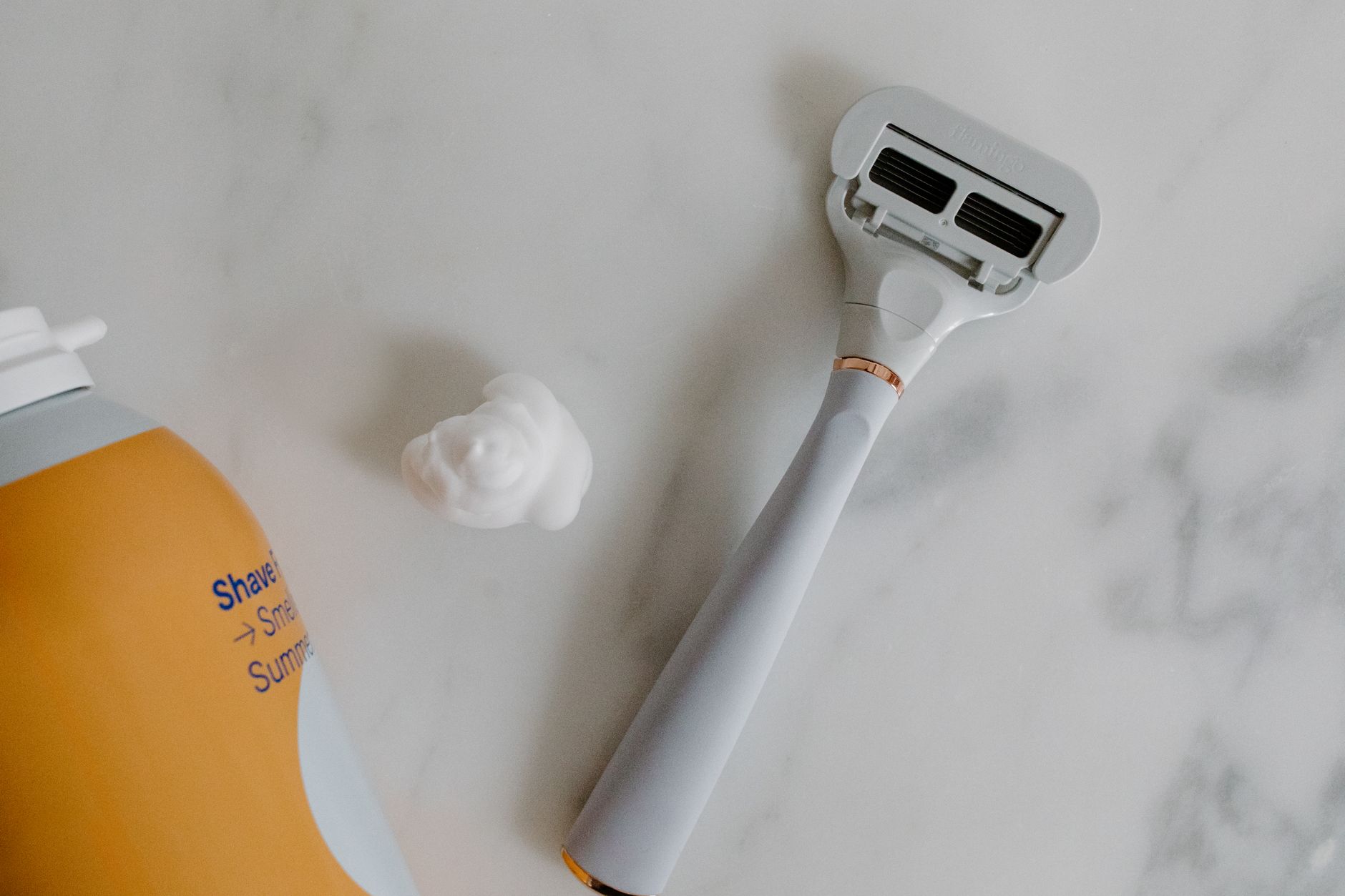
Shaving pubes is a personal choice many make for a variety of reasons, including hygiene, aesthetics, or comfort. However, the process comes with its own set of challenges and considerations. Understanding the right techniques and skin care tips can help you achieve a smooth and comfortable shave while minimizing the risk of irritation or injury.
This comprehensive guide will walk you through the essentials of safely shaving pubic hair, including preparation, technique, aftercare, and common pitfalls to avoid. Whether you’re new to shaving or looking to refine your routine, the following steps and tips will have you well-prepared for this personal grooming task.
How to Shave Pubes?
To shave pubes safely, start by preparing your skin and hair properly, select the right tools, and follow specific techniques. Post-shave care is equally important in preventing irritation and ensuring comfort. This guide details essential techniques and care tips for a smoother experience.
Essential Preparation for Shaving Pubes
Preparing your skin and hair before shaving is crucial for a smooth and irritation-free experience. Follow these preparation steps:
- Choose the Right Time: Shaving after a warm shower or bath is ideal as the heat softens the hair and opens the pores, making the process easier.
- Trimming Hair: If your pubic hair is long, consider trimming it down with scissors or an electric trimmer before shaving. This helps to prevent clogging your razor and makes the shaving process smoother.
- Exfoliate: Gently exfoliate the area with a mild scrub or a soft washcloth to remove dead skin cells. This step helps reduce the risk of ingrown hairs and bumps.
- Gather Your Supplies: Ensure you have all necessary tools at hand, including a good quality razor, shaving cream or gel, aftershave balm, and a clean towel.
Selecting the Right Tools
Choosing the correct tools can make a significant difference in the shaving process:
- Razor: Opt for a clean, sharp razor designed for sensitive skin or a safety razor. Avoid using a dull blade, as this can lead to cuts and irritation.
- Shaving Cream or Gel: Use a moisturizing shaving cream or gel designed for sensitive skin. Avoid products with harsh fragrances or alcohol, which can irritate the skin.
- Aftershave Balm: Look for an alcohol-free aftershave balm that soothes the skin and reduces irritation post-shave.
- Mirror: Having a hand-held mirror can help you see the area clearly, ensuring better precision while shaving.
How to Shave Pubes: Step-by-Step Technique
Now that you’re prepared, it’s time to shave. Follow these steps for a smooth and safe shaving experience:
- Apply Shaving Cream: Apply a generous amount of shaving cream or gel over the area you wish to shave. Let it sit for a couple of minutes to allow it to soften the hair further.
- Start Shaving: Use light, gentle strokes to shave in the direction of hair growth. Avoid pressing too hard on the razor; let it do the work for you. This will help minimize nicks and irritation.
- Rinse the Razor: Rinse the razor after each stroke to remove hair and cream buildup. A clean blade ensures a smoother shave.
- Adjust Your Technique: For areas that are particularly sensitive or tricky, such as the pubic mound or between the thighs, take your time and go slowly.
- Rinse and Check: Once you’ve finished shaving, rinse the area with lukewarm water and check for any missed spots. Touch up if necessary.
- Pat Dry: Gently pat the shaved area dry with a clean towel. Avoid rubbing, as this can irritate the skin.
Post-Shave Care Tips
After shaving, the right aftercare is essential to soothe your skin and prevent any irritations:
- Apply Aftershave Balm: Use an alcohol-free aftershave balm to hydrate and soothe the skin. Look for ingredients like aloe vera or chamomile, which are known for their calming properties.
- Wear Loose Clothing: After shaving, opt for loose-fitting clothing to reduce friction and irritation. Tight clothes can exacerbate discomfort.
- Maintain Hygiene: Keep the shaved area clean, especially for the first day or two after shaving. Consider using a mild body wash when showering.
- Avoid Heat and Chemicals: For at least 24 hours, avoid hot showers, saunas, and swimming pools, as these can irritate freshly shaved skin.
Common Mistakes to Avoid When Shaving Pubes
Shaving can be tricky, and several common mistakes can lead to irritation or cuts. Here’s what to avoid:
- Shaving Dry: Never shave on dry skin. Always use shaving cream or gel to protect your skin.
- Using Dull Razors: Dull razors can cause more nicks and irritation. Always use a fresh razor for the cleanest shave.
- Shaving Against Hair Growth: Shaving against the direction of hair growth may seem effective but increases the likelihood of irritation and ingrown hairs. Always shave in the direction of growth.
- Skipping Exfoliation: Failing to exfoliate can result in dead skin buildup, leading to ingrown hairs. Include this step in your routine.
Managing Irritation and Ingrown Hairs
Even with the best techniques, some irritation might occur. Here’s how to manage it:
- Stay Hydrated: Keep the area moisturized with gentle products. Dry skin is more prone to irritation.
- Spot Treat Ingrown Hairs: Use treatments containing salicylic acid or tea tree oil to help treat and prevent ingrown hairs. Always do a patch test first.
- Consult a Professional If Necessary: If irritation persists or you develop an infection, consult a healthcare professional for guidance.
Alternative Hair Removal Methods
Shaving is not the only option for hair removal. Consider these alternatives:
- Waxing: This method removes hair from the root and can result in smoother skin for a longer period. However, it may cause more discomfort and is best left to professionals.
- Depilatory Creams: These products dissolve hair and are an alternative to shaving. Always do a patch test before applying them to sensitive areas.
- Laser Hair Removal: For a more permanent solution, professionals offer laser hair removal, which can eliminate hair growth over time but comes with a higher cost and requires multiple sessions.
When to Avoid Shaving Pubes
There are some situations when shaving might not be the best choice:
- Skin Conditions: If you have active skin conditions such as eczema or psoriasis in the area you plan to shave, it’s best to consult a healthcare professional before proceeding.
- Recent Cuts or Irritations: Avoid shaving over cuts, rashes, or any irritation in the pubic area to prevent further discomfort.
Realistic Expectations After Shaving
Understanding what to expect post-shave can help avoid disappointment:
- Regrowth: Hair regrowth varies from person to person, but you may notice stubble within a few days.
- Pore Visibility: Depending on your skin type and hair color, your pores might appear more pronounced post-shave.
Establishing a regular grooming routine can help you maintain your desired look while ensuring comfort. Remember that everyone’s skin and hair type are different, so pay attention to how your skin responds and adjust your routine accordingly.
Embrace this personal grooming process with confidence by following these techniques and tips. With practice, shaving pubes can become a straightforward task that fits seamlessly into your beauty routine.
Now that you’re equipped with the techniques and safety tips for shaving pubes, start incorporating these ideas into your grooming routine! For additional guidance, check out our resources on how to shave your pubes and getting rid of razor bumps on the pubic area.