
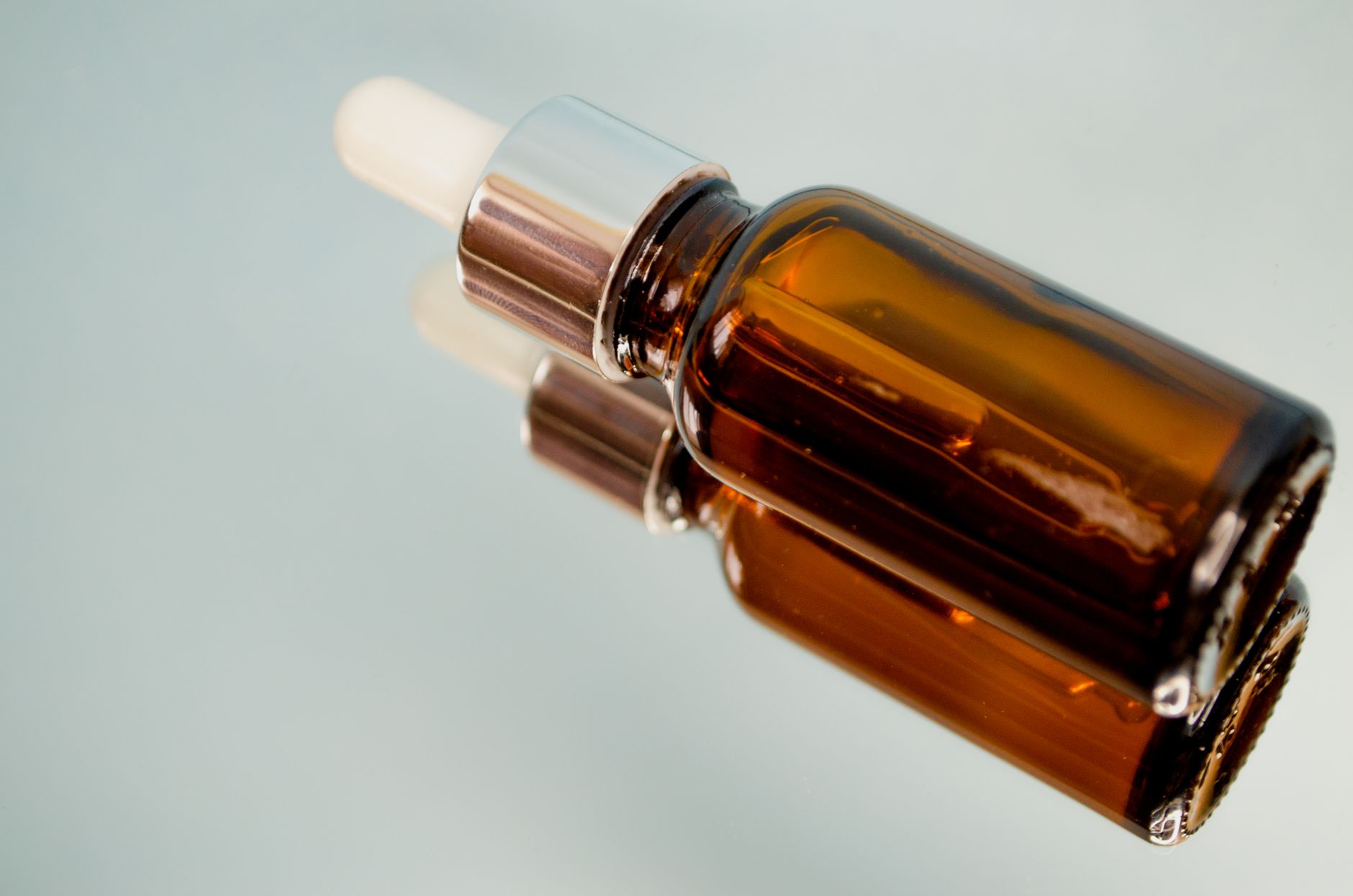
Glutathione has gained significant popularity in the beauty industry for its potential benefits to skin health and overall appearance. This naturally occurring antioxidant plays a vital role in protecting and rejuvenating the skin. Its myriad uses have led many to wonder: what is glutathione good for, and how can it fit into their beauty routines?
In this article, we will explore glutathione’s properties, its benefits for skin and beauty, the various ways to incorporate it into your routine, and any potential risks associated with its use. Whether you’re looking to improve your skin tone, support overall skin health, or simply understand this powerful ingredient, you’ll find practical insights on how to go about it.
What Is Glutathione Good For?
Glutathione is well-known for its antioxidant properties, helping to fight free radicals, reduce oxidative stress and support skin health. Its benefits extend to brightening the complexion, improving skin tone, and providing anti-aging effects. It’s found in various skincare products, supplements, and even in certain foods.
Understanding Glutathione
Before diving into its benefits and uses, let’s understand what glutathione is. Glutathione is a tripeptide composed of three amino acids: cysteine, glutamine, and glycine. Often referred to as the “master antioxidant,” it plays a crucial role in detoxifying the body, protecting cells from damage, and maintaining overall health.
Benefits of Glutathione for Skin
Glutathione offers numerous benefits for the skin. Here are some of the most significant:
- Antioxidant Protection: Glutathione neutralizes free radicals, which helps prevent cell damage and promotes youthful skin.
- Skin Brightening: It can inhibit melanin production, leading to a brighter complexion and an even skin tone.
- Anti-Aging Effects: By combating oxidative stress, it can help reduce the appearance of fine lines and wrinkles.
- Detoxification: Glutathione aids in the detox process, removing toxins from the skin and reducing dullness.
- Improved Skin Elasticity: It may promote collagen production, essential for skin firmness and elasticity.
How to Use Glutathione in Your Beauty Routine
Incorporating glutathione into your beauty routine can be done in several ways, with various product types available:
1. Topical Products
Many creams and serums contain glutathione as an active ingredient. These products often tout benefits such as skin brightening and anti-aging effects. To use them effectively:
- Cleanse your skin to remove impurities.
- Apply a toner to prep the skin.
- Use the glutathione-infused serum or cream, applying it gently all over the face.
- Follow with a moisturizer to seal in hydration.
- Use sunscreen during the day to protect your skin from UV exposure, which could counteract the benefits.
2. Oral Supplements
Glutathione is also available in supplement form. These can be taken to support overall skin health and help with skin brightness. When using supplements:
- Consult with a healthcare professional to determine the right dosage for you.
- Be consistent; supplements often take time to show noticeable effects.
3. Foods Rich in Glutathione
Certain foods can help boost your body’s glutathione levels naturally. Consider including these in your diet:
- Cruciferous vegetables like broccoli, Brussels sprouts, and kale
- Fruits such as avocados and oranges
- Nuts and seeds
- Legumes
Potential Risks and Considerations
While glutathione is generally safe for most people, there are some considerations to keep in mind:
- Allergic Reactions: Some individuals may have sensitivities or allergies to glucothione, resulting in irritation, redness, or allergic responses.
- Interactions with Medications: If you are on medication, especially for chronic conditions, consult your healthcare provider before starting any glutathione supplements.
- Poor Relevance of Sources: Ensure that any topical products come from reputable sources. Some products may not contain effective concentrations of glutathione.
Realistic Expectations
It’s essential to have realistic expectations when it comes to the benefits of glutathione. While many users report improvements in skin brightness and texture, individual results will vary. Factors like overall health, lifestyle, and consistent use of products all play a role in effectiveness.
Skin Types and Glutathione
Glutathione can benefit various skin types, but here’s how it interacts with specific concerns:
- Oily Skin: The antioxidant properties can aid in reducing excess oil and acne breakouts.
- Dry Skin: Glutathione provides hydration and can improve the overall texture and appearance.
- Sensitive Skin: Patch testing is recommended before using any new glutathione product, especially those with additional active ingredients.
- Hyperpigmented Skin: Its ability to inhibit melanin production is particularly beneficial for those looking to reduce the appearance of dark spots.
Common Mistakes to Avoid
When incorporating glutathione into your beauty routine, avoid these common pitfalls:
- Skipping Sun Protection: Always apply sunscreen daily, even if using glutathione products for their brightening effects.
- Not Being Consistent: Glutathione benefits typically appear over time with consistent use.
- Ignoring Labels: Always read product labels to ensure you are using high-quality, effective products.
Choosing the Right Products
When selecting glutathione products, consider the following tips:
- Look for serums or creams that list glutathione fairly high in their ingredient list.
- Check for complementary ingredients like vitamin C, which can enhance the effects of glutathione.
- Choose products free from harsh chemicals that may irritate the skin.
Integrating Glutathione with Other Ingredients
Glutathione can work synergistically with several other skincare ingredients:
- Vitamin C: Boosts the brightening effects and overall antioxidant protection.
- Retinoids: Can enhance cell turnover, helping glutathione work more effectively to rejuvenate the skin.
- Hyaluronic Acid: Provides hydration, complementing glutathione’s brightening properties.
Conclusion
Glutathione offers a robust set of benefits for skin health, particularly in terms of antioxidant protection, brightening, and anti-aging. By understanding how this powerful ingredient works and how to use it effectively, you can incorporate glutathione into your beauty routine while setting realistic expectations for skincare outcomes.
Explore further to enhance your beauty skills! Check out our guides on skincare routines, product selection, and the best ways to achieve healthy, radiant skin.