
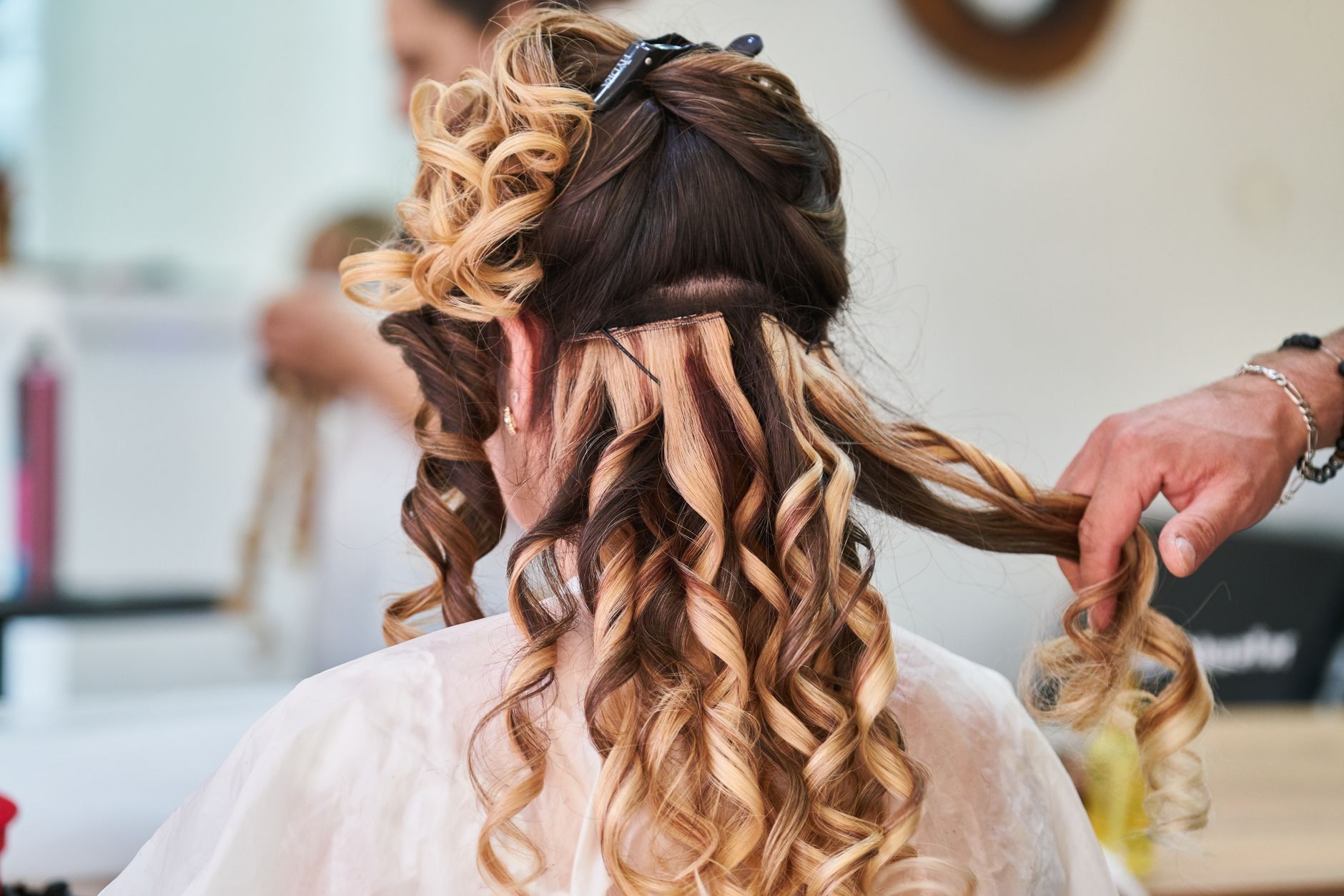
Hair extensions are a popular way to enhance your look, offering length, volume, and versatility without the need for permanent changes. But how do they work? The process can seem daunting, especially with various methods available. In this guide, we’ll explore the types of hair extensions, how they are applied, the results you can expect, and essential tips for maintenance and care.
Understanding hair extensions is key to achieving the look you desire while ensuring your natural hair remains healthy. Whether you’re considering them for a special occasion or looking to change up your style long-term, knowing the ins and outs makes all the difference.
How Do Hair Extensions Work?
Hair extensions work by adding extra hair strands to your natural hair to create length and fullness. They can be made from synthetic fibers or human hair and come in various styles, colors, and textures. The application methods vary as well, affecting how they integrate with your hair and their longevity.
Types of Hair Extensions
Before diving into how extensions work, it’s essential to understand the different types available and which one might suit your needs best.
- Clip-in Extensions: These are temporary extensions that clip into your natural hair. They are easy to apply and remove, making them ideal for occasional use.
- Weft Extensions: These consist of hair sewn onto a continuous strip. They can be applied using methods like sewing, gluing, or using beads. They tend to last longer than clip-ins.
- Tape-in Extensions: These extensions feature a thin strip of adhesive and are secured by sandwiching your natural hair between two pieces. They are relatively discreet and can last up to several months with proper care.
- Fusion Extensions: Individual strands of hair are bonded to your natural hair using a keratin-based adhesive. This method can create a very natural look but may require more maintenance.
- Micro-link Extensions: Tiny beads or links attach extensions to your natural hair without heat or glue. They are reusable and gentle on the hair but can require regular maintenance.
How Are Hair Extensions Applied?
Each type of hair extension has its own application technique, which can affect the final look and overall experience. Here’s a closer look at how each is typically applied:
Clip-in Extensions
- Start with clean, dry hair. Brush through to eliminate tangles.
- Section your hair off at the crown and below the ears to create a base.
- Clip the extension onto your natural hair, starting with the larger wefts near the base.
- Blend the extensions with your natural hair by curling or styling together.
Weft Extensions
- Your stylist will section your hair and prepare it for weft attachment.
- Depending on the method, they will sew, glue, or braid your natural hair to create a durable base.
- They will then attach the weft to your natural hair, ensuring a secure fit.
Tape-in Extensions
- Hair is prepped by sectioning and cleaning to remove oil and product buildup.
- Your stylist will place a small section of your natural hair between two pieces of tape.
- Once pressed together, they will ensure a secure bond without causing damage.
Fusion Extensions
- Your natural hair is separated into small sections.
- The stylist uses a heated tool to melt the keratin bond of the extension, attaching it to your hair.
- They will repeat this process until the desired amount of extensions is applied.
Micro-link Extensions
- Your hair is sectioned off, and small pieces are chosen for attachment.
- A micro-link is slid onto your natural hair, and the extension is inserted into the link.
- The link is then clamped to secure the hair extension in place.
Results You Can Expect
Hair extensions, when applied correctly, can enhance your natural beauty significantly. Here’s what to expect:
- Length: Extensions can add anywhere from a few inches to several feet of hair, depending on your preference.
- Volume: Fine or thinning hair can become thick and full with the right extensions.
- Style Versatility: Extensions allow for new styles, colors, and lengths without committing to a permanent change.
Maintenance Tips for Hair Extensions
Proper maintenance is crucial for the longevity of hair extensions and the health of your natural hair. Here are essential tips:
- Washing: Use sulfate-free shampoo and conditioner. Avoid washing your hair too frequently to maintain the bond’s integrity.
- Brushing: Use a loop brush or wide-tooth comb to detangle gently, starting from the ends and working up to the roots.
- Heat Protection: Apply heat protectant before styling. Minimize heat exposure to maintain the quality of both your extensions and natural hair.
- Regular Maintenance Visits: Schedule regular visits with your stylist every 6-8 weeks to maintain the integrity of tape-ins and fusion extensions.
- Sleeping Care: Use a silk or satin pillowcase to reduce friction, or tie hair in a loose braid or bun while sleeping.
Common Mistakes to Avoid
When it comes to hair extensions, avoiding common pitfalls can help extend their life and keep your hair healthy:
- Neglecting Care: Treat extensions as you would your natural hair. They require proper attention and care.
- Overusing Heat: Excessive heat styling can damage both the extensions and your hair beneath.
- Ignoring Bond Integrity: For bonded or sewn-in extensions, ensure they are not pulling on your natural hair, which can cause damage.
- Overwashing: Washing extensions too frequently can lead to dryness and a shorter lifespan.
Choosing the Right Hair Extensions
Selecting the right hair extensions is vital for achieving a natural look. Here are some points to consider:
- Hair Type: Choose extensions that match your hair texture (straight, wavy, or curly) for the most natural blend.
- Color Matching: Ensure the extensions match your natural hair color closely. Some brands offer highlights or ombre options.
- Quality: Opt for high-quality human hair over synthetic fibers for a natural appearance and styling flexibility.
- Length: Consider how long you want your extensions to be; longer isn’t always better depending on your overall look.
- Budget: Hair extensions can vary significantly in price. Consider what you’re comfortable spending as essential factors like quality and longevity come into play.
Removing Hair Extensions
Whether you need to remove your extensions for maintenance or it’s time to say goodbye, proper removal is essential:
Removal Techniques
- Clip-in Extensions: Simply unclip and remove from your natural hair.
- Tape-in Extensions: Visit a professional stylist for safe removal, as they use a special remover to dissolve the adhesive.
- Fusion Extensions: These should be professionally removed with a special tool to avoid hair breakage.
- Micro-links: Your stylist can easily slide the beads off your hair without causing damage.
Conclusion
Hair extensions can drastically change your hairstyle and boost your confidence when applied and cared for correctly. Understanding how they work— from application to maintenance— is key to achieving your desired results. Always consult with a professional stylist for the best advice tailored to your needs.
For further guidance, consider checking out how long hair extensions last or their costs to assist your decision-making process.