
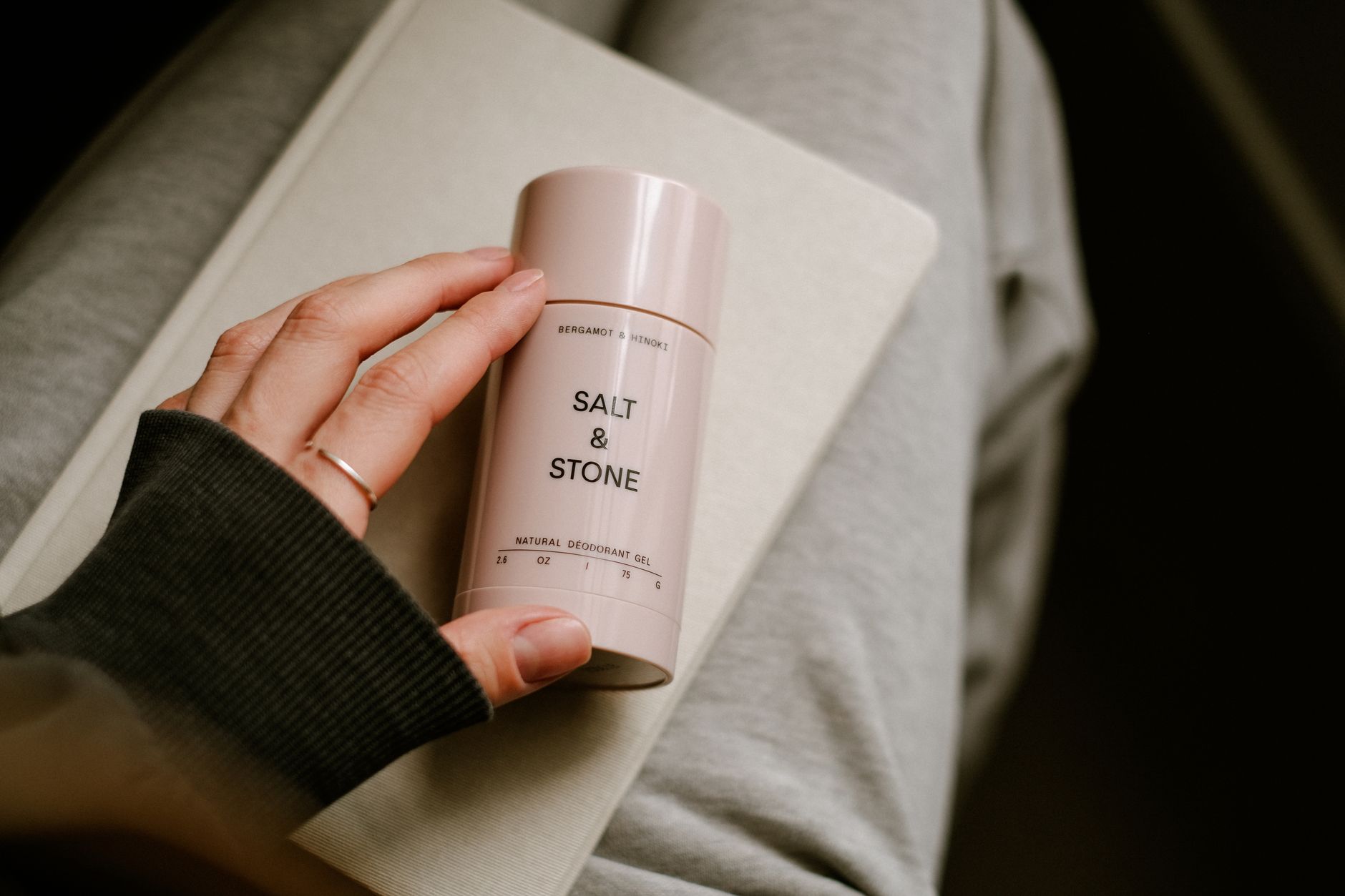
Many people experience underarm odor at some point in their lives. It’s a natural occurrence that can be influenced by various factors, including personal hygiene, diet, and even genetics. Understanding why armpits smell can help you manage it effectively and maintain fresh underarms throughout the day.
This article explores the underlying causes of armpit odor, practical prevention tips, and effective care strategies to keep you feeling confident and fresh.
Why Do Armpits Smell?
Armpit odor is primarily caused by bacteria breaking down sweat on your skin. The underarm area contains apocrine glands which produce a type of sweat that is high in protein—a favorite food source for odor-causing bacteria. When these bacteria metabolize the sweat, they produce odorous compounds that can lead to unpleasant smells.
Understanding the Causes of Armpit Odor
Several factors contribute to armpit smell, and recognizing these can help you make appropriate lifestyle adjustments. Here are the main causes:
1. Sweat Production
Humans have two types of sweat glands: eccrine and apocrine. Eccrine glands are found all over your body and produce a watery sweat that helps regulate body temperature. Apocrine glands, primarily found in the underarms and genital area, secrete a thicker sweat that is rich in fatty acids and proteins. When apocrine sweat breaks down, it tends to cause more odor due to the interaction with bacteria on the skin.
2. Bacterial Growth
Skin houses various types of bacteria, many of which are harmless. However, the armpits create a warm, moist environment ideal for bacteria to flourish. When sweat is broken down, it can lead to a strong odor. Good personal hygiene practices can help minimize bacterial growth.
3. Hormones
Hormonal changes can affect the amount and type of sweat your body produces. Adolescents, pregnant women, and those experiencing hormonal fluctuations during their menstrual cycle may notice increased perspiration and, consequently, a stronger odor. Hormonal treatments can also contribute to changes in your body’s scent.
4. Diet
What you eat can influence your body odor. Spicy foods, certain vegetables like garlic and onion, and alcohol can contribute to stronger-smelling sweat. A diet rich in fruits and vegetables tends to produce a milder odor. Staying hydrated also helps dilute sweat and may minimize odor.
5. Medical Conditions
Some medical conditions can lead to increased sweating or changes in body odor. Conditions like hyperhidrosis (excessive sweating), diabetes, or kidney diseases may affect how your body smells. If you notice a sudden change in your body odor, it could be worth consulting with a healthcare provider.
6. Medications and Supplements
Certain medications, including antidepressants and pain relievers, can trigger changes in sweat production and body odor. Supplements, particularly those containing garlic or sulfur, can also contribute to odor. Always check with a healthcare professional if you’re unsure how any medication may affect you.
Preventing Armpit Odor
Once you understand the causes of armpit odor, you can work on prevention strategies to minimize it.
1. Practice Good Hygiene
Maintaining regular personal hygiene is key to controlling odor. Shower daily, and don’t forget to wash the underarm area thoroughly using a mild soap.
2. Use Antiperspirants and Deodorants
- Antiperspirants: These products contain aluminum compounds that temporarily block sweat glands, reducing sweat production.
- Deodorants: Deodorants help mask odor and often contain antimicrobial agents to reduce bacterial growth.
Choosing the right product for your needs can significantly impact how you smell throughout the day.
3. Wear Breathable Fabrics
Fabrics like cotton, linen, and moisture-wicking materials promote airflow and can help keep your underarms dry. Avoid synthetic materials that trap heat and moisture.
4. Keep Hair Groomed
Body hair can trap sweat and bacteria, contributing to odor. Keeping underarm hair trimmed or shaved can help your skin breathe and may minimize odor.
5. Monitor Your Diet
Evaluate your diet and consider reducing intake of foods known to worsen body odor. Incorporate more fruits and vegetables, and ensure you’re drinking enough water throughout the day.
6. Manage Stress
Stress can lead to increased sweating, especially in the armpits. Engaging in stress management techniques such as mindfulness, meditation, or exercise may help reduce sweat levels.
Effective Care Tips for Armpits
In addition to prevention strategies, incorporating good care practices into your routine can further combat armpit odor.
1. Regular Exfoliation
Exfoliating your underarms can help remove dead skin cells and reduce the buildup of bacteria. Use a gentle exfoliating scrub or a washcloth when you shower a few times per week.
2. Moisturize
Keeping your underarms moisturized can prevent irritation and dryness caused by frequent shaving or the application of strong antiperspirants. Use a fragrance-free moisturizing lotion or a specialized underarm cream.
3. Natural Remedies
Some people find relief from odor using natural remedies:
- Baking soda: It can absorb moisture and neutralize odor. Mix it with a little water to create a paste, apply it to your underarms, and rinse off after some time.
- Apple cider vinegar: Its antibacterial properties can help kill odor-causing bacteria. Apply diluted apple cider vinegar to your underarms and rinse after a few minutes.
- Coconut oil: This natural oil has antibacterial properties and can be applied as a natural deodorant.
4. Consider Lifestyle Changes
Adopting a holistic approach to health can influence body odor. Regular exercise, a balanced diet, and adequate hydration can contribute to overall wellness, potentially leading to less noticeable odor.
Addressing Specific Concerns Related to Armpit Odor
For those who continue to experience issues despite following preventive measures, there are additional considerations.
1. Consult a Dermatologist
If body odor is particularly strong or persistent, consulting a dermatologist can help. They may recommend prescription-strength antiperspirants or treatments for underlying conditions contributing to odor.
2. Evaluate Clothing Choices
Some fabrics are better at managing odor than others. Wearing natural fabrics allows your skin to breathe better than synthetic ones. Consider changing your wardrobe or choosing undergarments specifically designed for odor control.
3. Be Mindful of Personal Products
Many personal care products have fragrances that can interact with body odor. Opt for fragrance-free or hypoallergenic products if you notice that certain scents exacerbate your body odor.
Common Mistakes to Avoid
When it comes to managing underarm odor, certain missteps can hinder your efforts. Here are some common mistakes to be aware of:
1. Overusing Antiperspirants
While it may seem logical to overapply antiperspirant for greater effect, doing so can block your skin’s natural functions and might irritate delicate skin. Follow application directions closely.
2. Neglecting Clothing Hygiene
Wearing the same clothes multiple days in a row can trap sweat and odor. Ensure that you are washing your clothes frequently and taking care of any garments that are prone to holding smells.
3. Ignoring Skin Care
Neglecting skincare routines can contribute to underarm odor. Regularly wash and exfoliate the area to keep your skin healthy and free from buildup.
4. Forgetting to Patch Test New Products
If you’re trying a new product, always perform a patch test first to determine if you might experience irritation or allergic reactions. Apply it to a small area, and wait 24 hours to see how your skin reacts.
Summary of Care Tips
Here’s a quick recap of steps you can take to manage and prevent armpit odor effectively:
- Practice good personal hygiene regularly.
- Use appropriate antiperspirants or deodorants that suit your skin type.
- Wear breathable fabrics to allow airflow.
- Keep hair trimmed or shaved to minimize odor buildup.
- Monitor your diet and stay hydrated.
- Incorporate stress management techniques into your routine.
- Exfoliate and moisturize your underarms regularly.
- Consider holistic lifestyle changes that promote overall health.
Maintaining fresh armpits requires an understanding of what causes body odor and applying strategies tailored to your lifestyle and unique needs. By practicing good hygiene, choosing the right products, and making informed lifestyle choices, you can effectively manage odor and feel confident all day long.
If you’re still struggling with specific issues, it may be time to consult a dermatologist or healthcare provider who can help you explore additional treatments or identify underlying conditions.
Explore related beauty guides, such as understanding why your armpits smell so bad or tips on caring for itchy armpits, to enhance your knowledge and care routines further.