
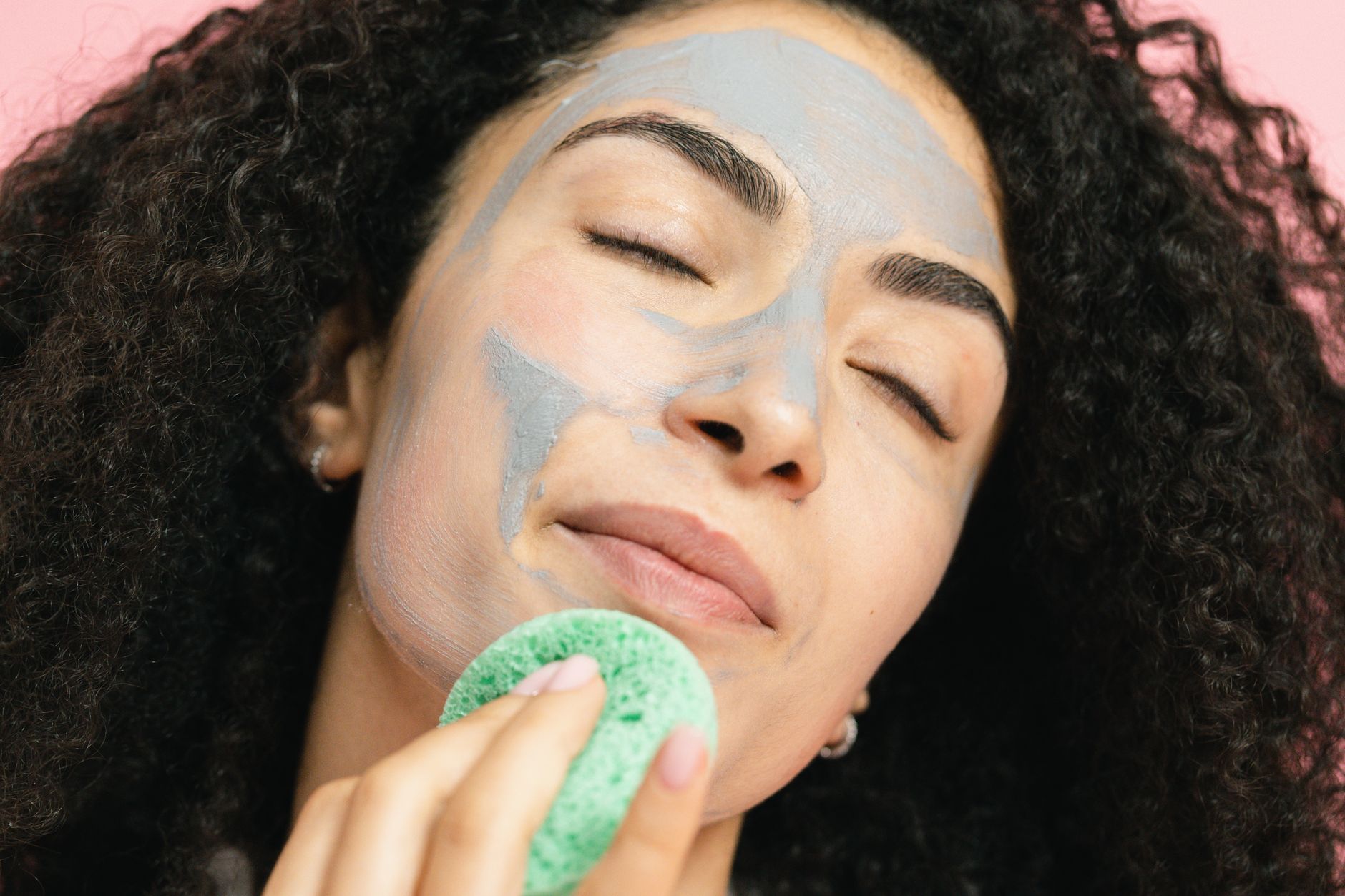
Combination skin is a common skin type that exhibits characteristics of both oily and dry skin in different areas. Understanding what combination skin is can help you select the right products and establish a routine tailored to your unique needs, ensuring a balanced complexion.
This article explores the defining signs of combination skin, offers a detailed skincare routine to address its needs, and provides tips on product selection. Whether you’re dealing with dry patches or oily zones, knowing how to care for combination skin will empower you on your beauty journey.
What Is Combination Skin?
Combination skin refers to a skin type that features a mix of both oily and dry areas. Typically, it presents with an oily T-zone—forehead, nose, and chin—while the cheeks and other areas may be dry or sensitive. This unique balance can make it challenging to choose the right skincare products, as what works for one area may not work for another.
In understanding combination skin, it’s important to recognize that it can be influenced by a variety of factors including climate, hormone changes, stress levels, and lifestyle choices. Learning to identify your specific areas of concern can lead to a tailored approach to your skincare routine.
Signs of Combination Skin
Identifying combination skin involves looking for specific signs in various areas of your face. Here are some key characteristics to help you determine if you have this skin type:
- T-Zone Oiliness: If your forehead, nose, and chin are noticeably shinier or greasier than other areas of your face.
- Dry or Flaky Patches: Areas like your cheeks, temples, and around your eyes may feel dry or flaky, requiring extra moisture.
- Clogged Pores: You might experience enlarged or clogged pores mainly in the T-zone, which can lead to breakouts.
- Uneven Texture: The contrast between oily and dry areas often results in uneven skin texture, affecting smoothness and overall appearance.
- Variable Sensitivity: You may notice that certain areas are sensitive or reactive to products while others are not.
Building a Skincare Routine for Combination Skin
A balanced skincare routine is essential for addressing the unique needs of combination skin. The goal is to maintain the right moisture levels while controlling oil production. Here’s a step-by-step guide to creating an effective skincare routine.
Morning Routine
- Cleanser: Start with a gentle foaming or gel cleanser that removes excess oil without over-drying your skin. Look for sulfate-free formulations.
- Toner: Apply an alcohol-free toner to remove any remaining impurities. Opt for one with hydrating ingredients such as rose water or aloe vera.
- Serum: Use a lightweight serum with hyaluronic acid to hydrate and plump your skin without adding oil. Vitamin C can also help brighten your complexion.
- Moisturizer: Select an oil-free or gel-based moisturizer that provides hydration while controlling shine. Look for non-comedogenic options.
- SPF: Don’t forget sunscreen! Apply a broad-spectrum SPF of at least 30 to protect your skin from UV damage.
Evening Routine
- Cleanser: Use the same gentle cleanser to wash away dirt, makeup, and excess oil accumulated throughout the day.
- Toner: Reapply your toner to refresh and prep your skin for additional products.
- Treatment: If you struggle with breakouts, consider using a targeted treatment containing salicylic acid or benzoyl peroxide on oily areas.
- Moisturizer: At night, you may want to use a slightly richer moisturizer or an overnight mask to nourish drier areas. Ensure it’s still lightweight.
- Eye Cream: If dryness around the eyes is an issue, consider adding a moisturizing eye cream, especially if you notice fine lines or dark circles.
Product Tips for Combination Skin
Selecting the right products for combination skin can be tricky. Here are some tips to help you make the best choices:
- Ingredients to Look For: Focus on hydrating ingredients like hyaluronic acid, glycerin, and aloe vera, while incorporating ingredients that control oil, such as salicylic acid and niacinamide.
- Non-Comedogenic Products: Choose non-comedogenic formulations for skincare and makeup to avoid clogging pores in the oilier areas.
- Avoid Overloading Products: Stick to a few effective products rather than layering too many at once. This can help prevent irritation and imbalance.
- Patch Test New Products: Before introducing new products into your routine, perform a patch test to check for potential irritation.
- Adjust with Seasons: Be open to adjusting your routine with seasonal changes. You may need a lighter moisturizer in summer and a richer one in winter.
Common Mistakes to Avoid
Managing combination skin can be challenging, and common mistakes can worsen the situation. Here are some pitfalls to avoid:
- Neglecting Moisturizer: Even oily areas need hydration. Skipping moisturizer can lead to dryness and worsen oil production.
- Using Harsh Products: Overly harsh cleansers and toners can strip your skin and lead to excessive oiliness or dryness. Opt for gentle formulations instead.
- Ignoring Sunscreen: Skipping sunscreen can cause damage and hyperpigmentation, especially in oily areas that may break out easily.
- Over-Exfoliating: While exfoliation can prevent clogged pores, overdoing it can irritate your skin and lead to imbalances.
- Not Adapting Your Routine: Your skin’s needs may change with seasons, stress, or hormonal fluctuations. Stay flexible and adjust your routine as needed.
Signs of Irritation and How to Simplify Your Routine
Recognizing signs of irritation is crucial when managing combination skin. Common signs include redness, itching, flaking, or a burning sensation. If you notice these symptoms, consider the following strategies to simplify your routine:
- Cut Back on Products: Remove any products that could be contributing to irritation, especially those with active ingredients.
- Use Fewer Steps: Focus on a basic routine of cleanser, toner, and moisturizer until your skin calms down.
- Choose Fragrance-Free Options: Fragrance can be a common irritant. Opt for fragrance-free products to minimize the risk of reactions.
- Seek Professional Help: If irritation persists, consult a dermatologist for advice tailored to your skin type.
Realistic Expectations and Long-Term Care
As you embark on your skincare journey, it’s essential to maintain realistic expectations. Combination skin requires consistent care, and results may not happen overnight. Focus on gradual improvements rather than instant transformations.
Establishing a long-term routine with patience will be rewarding. Make it a habit to check in with your skin regularly, adjusting your routine as necessary based on how your skin reacts to different products and environmental changes.
Additionally, regular hydration, a balanced diet, and adequate sleep can positively impact your skin health over time. Incorporate healthy habits into your lifestyle for lasting benefits.
Conclusion
Understanding and caring for combination skin can lead to a balanced and radiant complexion. With the right routine, products, and knowledge, it’s possible to cater to both oily and dry areas effectively. Start with the basics, be attentive to your skin’s reactions, and don’t hesitate to adjust your approach as needed.
For further information on maintaining different skin types, you may find helpful insights in our guides on dandruff care and treating dry skin.