
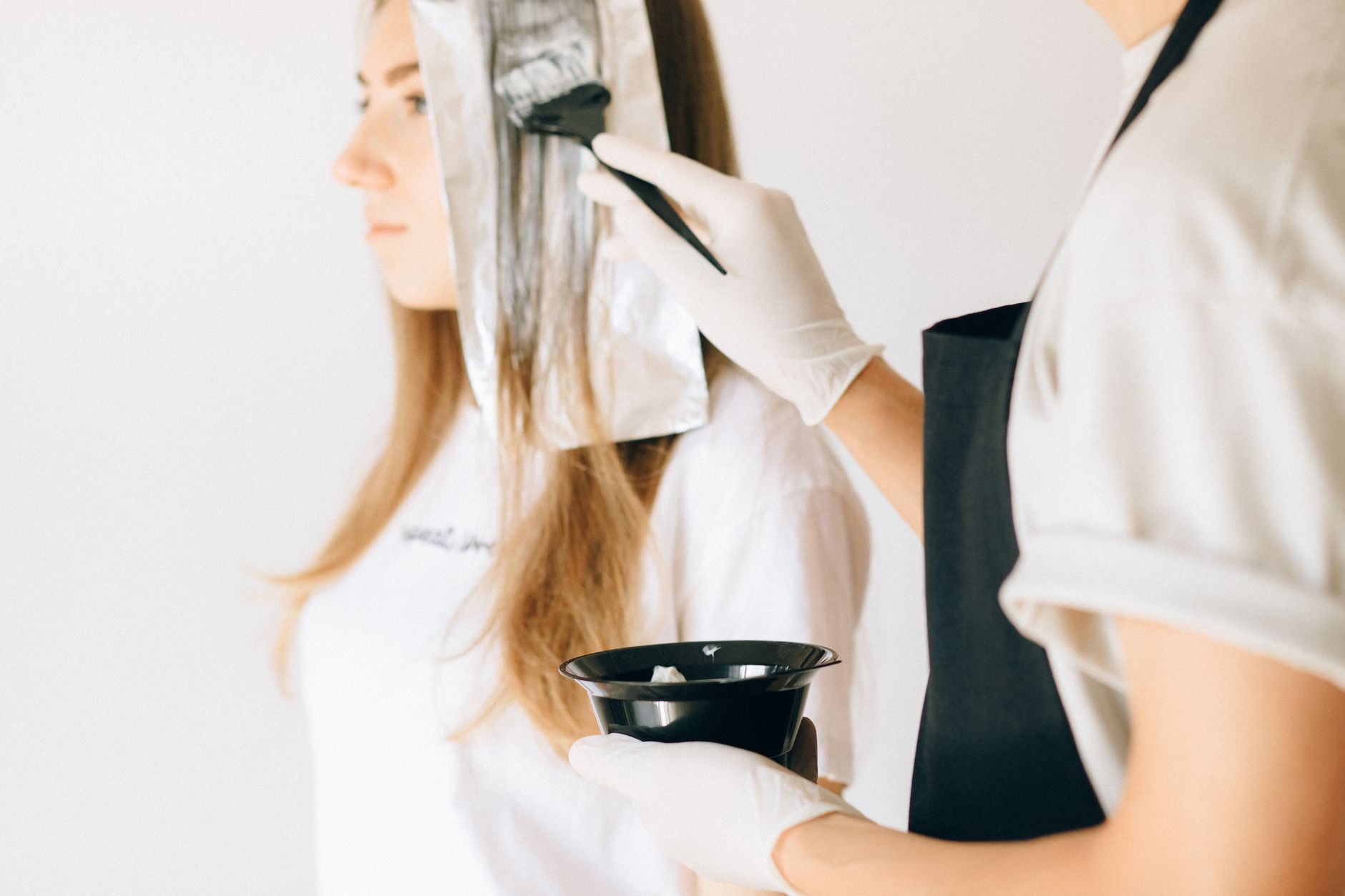
Dyeing your hair can be an exciting way to express your personal style, but you may wonder about the effects it has on hair health. This article explores whether dying your hair damages it, alongside the pros and cons of hair dye use. We’ll also provide practical tips to minimize potential damage.
Understanding how hair dye works and the ingredients involved is essential to making informed decisions. From semi-permanent to permanent options, knowing the impacts of these dyes can help you maintain healthy, vibrant locks while enjoying your new look.
Does Dying Your Hair Damage It?
Yes, dying your hair can damage it, particularly if you use harsh chemicals or bleach. However, the extent of damage depends on various factors, including hair type, dye formulation, and application technique. With proper care and precautions, you can mitigate some negative effects.
How Hair Dye Works
To understand the impact of hair dye, it’s beneficial to know how it works. Hair dye penetrates the hair cuticle to alter the hair’s natural pigmentation. Most dyes are formulated with specific chemicals that enable this process. Here’s a breakdown of common types:
- Permanent Dyes: These contain ammonia and peroxide, which open the hair cuticle for color penetration and often lighten the natural hair.
- Semi-Permanent Dyes: Ammonia-free, these dyes last about 4-6 weeks and generally damage the hair less than permanent dyes.
- Temporary Dyes: These provide a short-term color that washes out after a few shampoos, typically causing minimal to no damage.
Pros of Hair Dye
While concerns about hair damage are valid, there are numerous advantages to dyeing your hair:
- Expressive Style: Changing your hair color allows for creativity and self-expression.
- Gray Coverage: Hair dye provides an effective solution for covering gray hair, helping you maintain a youthful appearance.
- Boosted Confidence: A new hair color can enhance your confidence and overall mood.
- Versatility: There are countless shades and techniques (like balayage and ombre) available, allowing for individualized styles.
Cons of Hair Dye
Despite the perks, there are downsides associated with hair dye that you should consider:
- Hair Damage: As mentioned, dyes can weaken hair cuticles, leading to dryness, brittleness, and split ends.
- Allergic Reactions: Some individuals may experience allergic reactions to hair dye ingredients, which can cause irritation and swelling.
- Maintenance and Cost: Regular touch-ups can be time-consuming and costly, depending on the type of dye and frequency of application.
- Color Fading: Many hair dyes fade over time, requiring additional applications for consistent color.
Understanding Hair Types and Damage
The impact of hair dye on your hair also depends largely on your hair type. Knowing your hair characteristics is essential for minimizing damage:
- Porosity: High-porosity hair absorbs dye quickly but can also lose moisture rapidly, leading to damage. Low-porosity hair may resist dye penetration.
- Texture: Curly or coily hair may be more prone to damage due to its structure, making it crucial to choose gentler dye options.
- Density: Thicker hair may withstand dye better than finer hair, which is often more delicate.
How to Minimize Hair Damage When Dyeing
Fortunately, there are several strategies you can employ to minimize potential damage from dyeing your hair:
1. Choose the Right Dye
Opt for semi-permanent or ammonia-free alternatives to reduce hair damage. If you are going for a dramatic color change, consider seeking professional help.
2. Conduct a Patch Test
Always perform a patch test 48 hours before dyeing your hair. This can help identify any allergic reactions to hair dye ingredients.
3. Wait Between Dyes
Avoid dyeing your hair too frequently. Give your hair a break of at least 6-8 weeks between treatments to allow for recovery.
4. Use a Deep Conditioning Treatment
Incorporate deep conditioning treatments into your hair care routine to help maintain moisture and repair damage caused by dyeing.
5. Limit Heat Styling
Reduce the use of heat styling tools after dyeing your hair, as heat can further exacerbate damage. When necessary, use a heat protectant spray.
6. Follow Aftercare Instructions
After dyeing, be sure to follow any specific aftercare instructions provided with the dye. This may include using sulfate-free shampoos to protect color longevity.
Signs of Hair Damage
Being aware of the signs of damage can help you intervene early and prevent further issues:
- Dryness: If your hair feels brittle or looks dull, it may be damaged.
- Split Ends: Frequent split ends can indicate overprocessing.
- Breakage: Hair that breaks easily or falls out can signal stress from dyeing.
- Scalp Irritation: Persistent itching, redness, or rash may indicate an allergic reaction or sensitivity to dye chemicals.
Caring for Dyed Hair
Once you’ve dyed your hair, establish a dedicated hair care routine to maintain its health. Here are some tips:
1. Use the Right Products
Look for shampoos and conditioners specifically formulated for color-treated hair. These products often lack sulfates, which can strip color and moisture.
2. Moisturize Regularly
Incorporate leave-in conditioners and hair masks into your routine to restore moisture and repair damage.
3. Avoid Hot Water
When washing dyed hair, use lukewarm or cool water to prevent color fading and further damage.
4. Schedule Regular Trims
Keep your hair healthy by scheduling trims every 6-8 weeks to remove split ends and encourage growth.
Options Beyond Traditional Hair Dye
If you’re worried about the potential damage from traditional dyes, consider these alternatives:
- Henna: A natural dye that can add color and shine without the harsh chemicals found in synthetic dyes.
- Vegetable Dyes: Derived from plants, these dyes can be less damaging than traditional dyes but may not provide permanent color.
- Color-Depositing Conditioners: These products can help refresh color without harsh chemicals while nourishing your hair.
Choosing a Professional Stylist
If you’re considering a significant change or are unsure about applying dye yourself, finding a professional stylist can make all the difference. A qualified stylist can:
- Assess your hair type and recommend the best dye options.
- Apply dye in a way that minimizes damage.
- Provide tailored aftercare advice based on your individual hair needs.
When to Avoid Hair Dye
There are instances when you should consider avoiding hair dye completely:
- If you have a history of allergic reactions to hair products.
- If your hair is very damaged or over-processed.
- If you are pregnant or breastfeeding, consult a healthcare provider before using hair dye.
What to Expect After Dying Your Hair
After you dye your hair, you should expect:
- Vibrant color that may gradually fade depending on the dye used.
- Potential changes in hair texture, especially if using bleach.
- Need for increased hair care attention post-dyeing.
Conclusion
Dyeing your hair can provide amazing benefits, from self-expression to confidence-boosting transformations. While it can also lead to damage, being informed and using proper techniques can help reduce risks. Whether you opt for a professional or DIY approach, understanding how to care for your dyed hair will ensure it remains healthy and vibrant.
If you want to learn more about hair dye longevity, check out how long does hair dye last or how long to leave bleach in hair for the best results.