
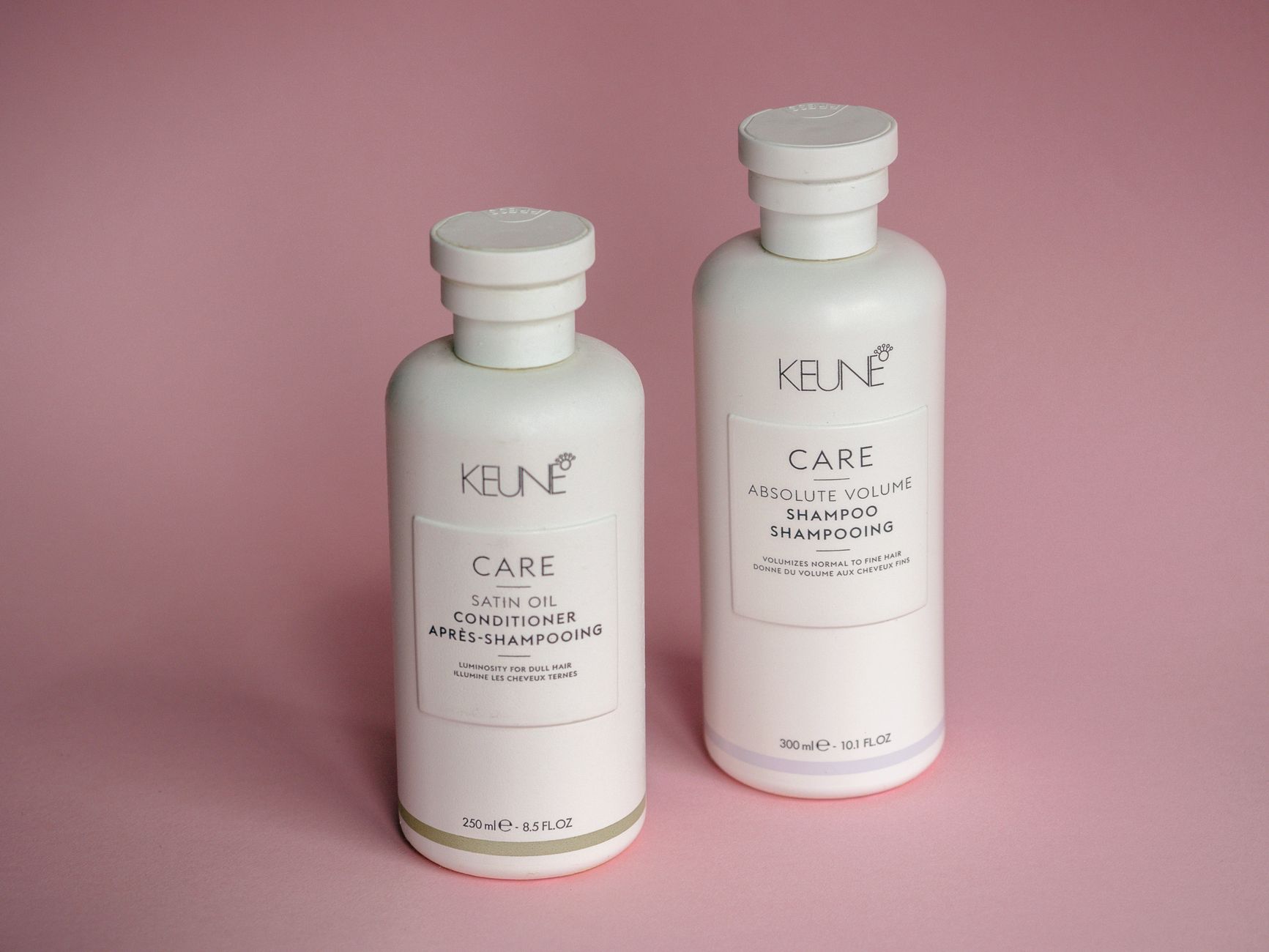
The debate around shampoos and their impact on hair health is ongoing, especially with brands like Native gaining popularity. Many users are curious about their hair care choices, specifically whether Native shampoo could contribute to hair loss. Understanding the ingredients, their effects, and existing research can help consumers make informed decisions about their hair care routines.
This article explores the potential link between using Native shampoo and hair loss. We will review ingredient safety, user experiences, and relevant studies to uncover the facts and dispel common myths.
Does Native Shampoo Cause Hair Loss?
Research does not directly link Native shampoo to hair loss. However, shampoo formulation, individual sensitivities, and hair care practices can all influence hair health. To better understand the potential risks, let’s delve into the ingredients, feedback from users, and relevant studies.
What Is Native Shampoo?
Native is a brand well-known for its focus on safe and effective personal care products, including shampoos that aim to be free from sulfates, parabens, and other harsh chemicals. Their formulas are often marketed as natural and provide scents and benefits designed to enhance the hair-washing experience.
Native shampoo comes in several variations, including:
- Coconut and Vanilla
- Lavender and Sage
- Charcoal
Each variant is crafted to cater to different hair types and preferences, presented as a gentle yet effective option for cleansing hair without unnecessary ingredients.
Understanding Hair Loss
Before we dive deeper into the impact of Native shampoo, it’s important to understand what hair loss is. Hair loss, or alopecia, can occur for various reasons, including:
- Genetics: Androgenetic alopecia, often referred to as male or female pattern baldness, is inherited.
- Medical conditions: Conditions like thyroid diseases, lupus, or scalp infections may lead to hair loss.
- Nutritional deficiencies: Lack of essential nutrients such as iron or protein can weaken hair.
- Stress: High-stress levels can trigger temporary hair shedding.
- Hair care practices: Over-processing, excessive heat styling, or using harsh products can damage hair.
Ingredient Analysis of Native Shampoo
To determine if using Native shampoo could lead to hair loss, it’s important to evaluate its ingredients. While specific formulations may differ between variations, key ingredients often include:
- Water
- Sodium Cocoyl Isethionate: A mild surfactant derived from coconuts.
- Glycerin: A humectant that retains moisture.
- Cocamidopropyl Betaine: A gentle surfactant that helps to create lather.
- Fragrance: Often from natural sources to provide pleasant scents.
- Preservatives: Such as potassium sorbate to prevent microbial growth.
Generally, Native shampoo is formulated to be free from sulfates and parabens, which are often linked to scalp irritation or hair damage. However, individual sensitivities to specific ingredients, including fragrances and preservatives, could potentially lead to negative reactions.
Common Concerns and User Feedback
Many consumers report positive experiences with Native shampoo, noting its pleasant scents and ability to cleanse without stripping natural oils. However, some users express concerns about hair loss or increased shedding after switching to Native products.
It’s crucial to consider various factors that might influence these experiences, such as:
- Changes in hair care routines: Introducing new products can alter how hair behaves.
- Environmental factors: Seasonal changes or issues like hard water can impact hair health.
- Pre-existing conditions: Users with underlying hair or scalp issues may experience changes after using a new product.
Studies on Shampoo Ingredients and Hair Loss
While there are numerous anecdotal reports concerning shampoo and hair loss, studies examining the direct relationship are limited. What exists mainly explores the effects of specific ingredients associated with hair health.
For example:
- A study published in the Journal of Cosmetic Dermatology highlighted concerns regarding the impact of certain surfactants on hair structure. It suggested that harsh cleaning agents could lead to hair shaft damage.
- Another piece of research noted the importance of scalp health, which is often neglected, as a critical factor influencing hair loss.
As researchers continue to study the links between shampoo formulation and hair health, they emphasize the importance of tailoring products to individual hair and scalp needs.
When Can Shampoo Contribute to Hair Loss?
While Native shampoo is generally well-received, hair loss can occur due to several factors related to shampoo use:
- Harsh Chemicals: Products containing sulfates, silicones, or other harsh ingredients can damage hair and scalp, potentially leading to hair loss.
- Allergic Reactions: Sensitivities or allergies to specific ingredients in shampoo can cause scalp irritation, which may lead to hair shedding.
- Over-washing: Washing hair too frequently can strip natural oils, weakening strands and causing breakage.
- Inconsistent Formulations: Switching shampoos too frequently can confuse your hair, leading to issues.
How to Minimize the Risk of Hair Loss
To help keep your hair healthy while using Native shampoo or any other product, consider the following tips:
- Patch Test: Before using a new product, apply a small amount to the scalp to check for reactions.
- Follow Directions: Always adhere to recommended usage instructions on the bottle.
- Pay Attention to Your Hair: Notice how your hair responds to new products to identify what works best.
- Avoid Overwashing: Find a washing frequency that works for your scalp and hair type.
- Focus on Scalp Health: Incorporate scalp care into your routine, ensuring it’s healthy for optimal hair growth.
Alternatives to Native Shampoo
If you are concerned about the effects of Native shampoo or simply looking for alternatives, consider options that cater to specific hair concerns:
- Shampoos with Natural Ingredients: Brands that focus on organic or plant-based ingredients.
- Medical Shampoos: Formulations designed to address specific scalp conditions (such as dandruff or psoriasis).
- Gentle Cleansing Conditioners: Products that cleanse while conditioning to minimize stripping hair.
When to Consult a Professional
If hair loss persists or worsens, it’s wise to consult with a dermatologist or trichologist. A professional can assess underlying causes, offer tailored advice, and recommend suitable products or treatments.
Hair loss can be distressing, and addressing concerns early may lead to better management and solutions.
Conclusion and Practical Next Steps
While there is no conclusive evidence that Native shampoo directly causes hair loss, individual experiences can vary. Factors such as ingredient sensitivities and overall hair care habits can significantly influence hair health. Consider using Native shampoo mindfully, and if you have ongoing concerns, seek professional guidance to find the best options tailored for your hair.
Explore our related articles to deepen your understanding of hair care: read about whether Native shampoo is good for your hair, and discover insights on whether Head and Shoulders causes hair loss.