
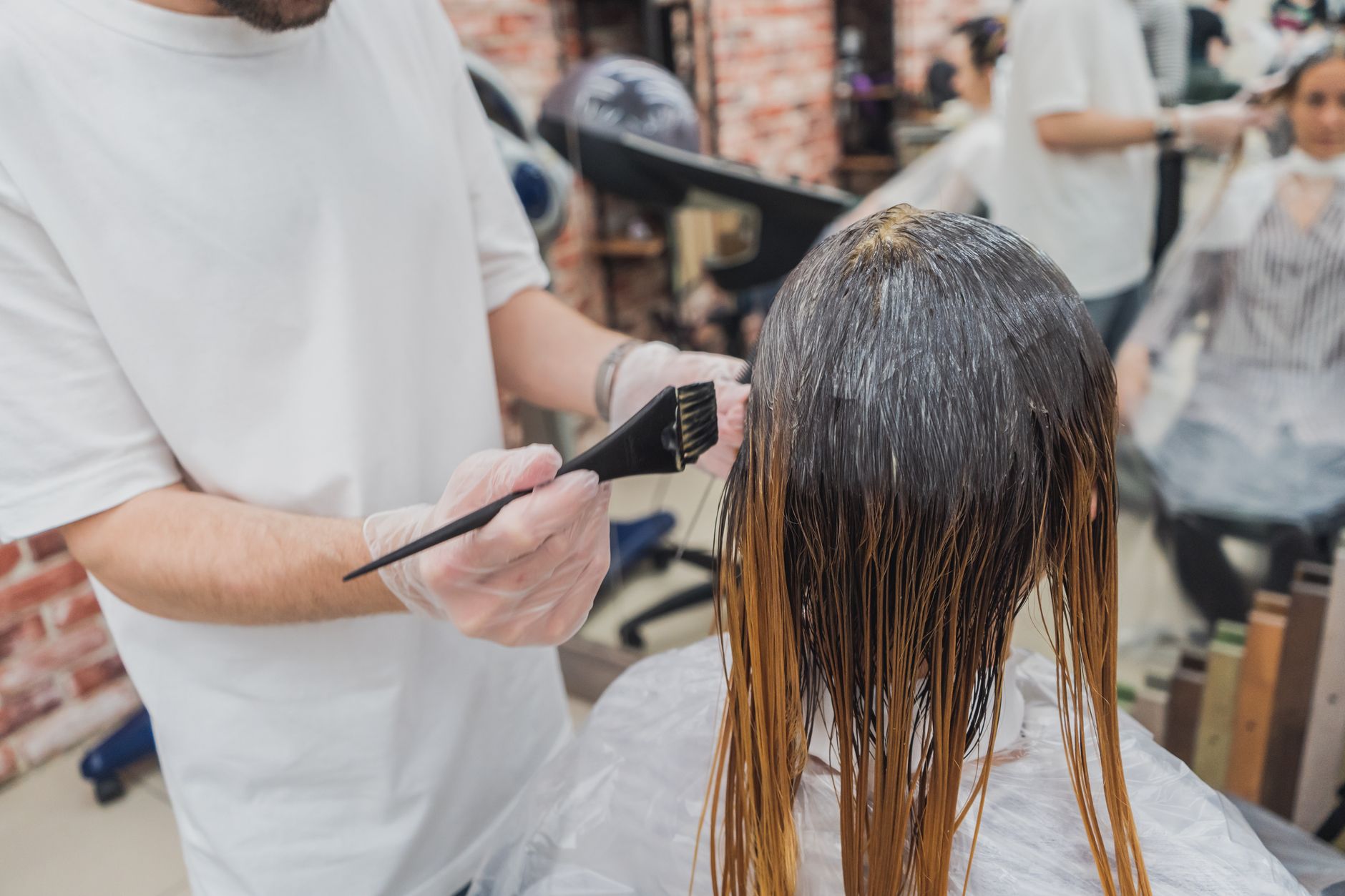
Hair dye is an exciting way to express your individuality, but knowing how long it lasts can help you maintain your desired look. The duration of hair dye longevity is influenced by several factors, including the type of dye used, your hair’s condition, color maintenance habits, and environmental factors.
This article will delve into various types of hair dye, how long they typically last, safety considerations, and essential aftercare to prolong your color vibrancy. Let’s explore this colorful world!
How Long Does Hair Dye Last?
The longevity of hair dye varies based on its formulation. Typically, permanent hair dye can last anywhere from 4 to 10 weeks while semi-permanent dye usually lasts 4 to 12 washes. Temporary dyes may last only until your next shampoo. Multiple factors influence the longevity of each type, including hair characteristics and upkeep practices.
Understanding the Types of Hair Dye
To grasp how long hair dye lasts, it’s essential to understand the different types of hair dye available on the market.
Permanents
- Permanent hair dye offers long-lasting results, allowing you to achieve a wide range of color options.
- This dye penetrates the hair shaft, leading to longer-lasting color that often grows out rather than fades.
Semi-Permanents
- Semi-permanent hair dye does not penetrate the hair shaft and fades gradually with each wash.
- These typically last 4 to 12 washes, making them ideal for those who wish to experiment with color without long-term commitment.
Temporaries
- Temporary hair dye is suitable for short-term colors, such as vibrant fashion shades.
- Lasting until the next shampoo, these are ideal for events or a change of pace.
Factors That Affect Hair Dye Longevity
Several factors influence how long your hair dye lasts. Understanding these can help you select the right dye and care routine to lengthen its lifespan.
Hair Type and Condition
Hair texture, density, and porosity all play a role in dye longevity.
- More porous hair tends to absorb color better but can also lose it faster.
- Healthy hair with a good moisture balance will hold color longer than damaged strands.
Color Choice
The chosen color can impact longevity. Vibrant or unconventional colors may fade faster than natural shades.
- For example, reds often fade more quickly than browns or blacks.
- Pastel tones may also wash out faster, as they are often applied on lightened bases.
Washing and Styling Products
The products you use after dyeing your hair can either prolong or hasten the fading process.
- Color-safe shampoos and conditioners are vital for maintaining vibrancy.
- Hot styling tools and frequent washing can strip color more quickly.
Sun Exposure and Environmental Factors
Like skin, hair is susceptible to UV rays.
- Excessive sun exposure can lead to color fading, so wearing hats or using UV-protectant sprays can mitigate this.
- Chlorine in pools and salt from the ocean can also strip color, so consider rinsing your hair after swimming.
Safety Considerations with Hair Dye
Hair dye, while generally safe for most individuals, can cause reactions in some. Understanding safety precautions ensures a pleasant coloring experience.
Patch Tests
Always perform a patch test before using a new hair dye to check for allergic reactions.
- Follow directions on packaging for how long to wait after application.
- If irritation occurs, do not proceed with application.
Choosing the Right Products
Selecting quality dyes and formulations can minimize the risk of adverse reactions. Look for:
- Products that suit your hair type and desired outcomes.
- Formulas free from harsh chemicals wherever possible.
Consulting Professionals
If you’re unsure about which dye to use or have concerns about hair damage, consulting a professional hairstylist can be invaluable.
Aftercare Tips for Prolonging Hair Color Longevity
After coloring your hair, a proper aftercare routine is essential to maintain vibrancy and health.
Color-Safe Shampoos and Conditioners
Use color-treated hair products specifically formulated to maintain color.
- These products are gentle and help prevent stripping color while keeping hair vibrant.
Limit Washing Frequency
Washing hair too often can lead to quicker fading. Consider these tips:
- Try to wash your hair 2-3 times a week.
- Use dry shampoo in between washes to extend cleanliness without color loss.
Reduce Heat Styling
Heating tools can affect color, so try these alternatives:
- Embrace air-drying capabilities or low-heat settings on tools.
- When using heat, apply a heat protectant to shield your strands.
Avoid Excessive Sun and Chlorine Exposure
To protect your color:
- Wear hats outdoors, or use UV-protective hair products.
- Always rinse hair after swimming in pools or the ocean.
Signs That It’s Time for a Touch-Up
Detecting fading or unwanted growth is crucial for maintaining your color. Here are some signs that it’s time for a touch-up:
Visible Roots
If your natural color is becoming noticeable, it’s time for a touch-up.
Faded Color
When your vibrant shade shifts to a dull or lighter tint, that’s a clear indicator.
Dry or Brittle Hair
Continued fading often leads to hair becoming dry or brittle. Focus on restorative treatments to revive the health of your hair.
Color Removal and Transitioning to New Colors
If you’re considering changing your hair color or want to remove unwanted dye, there are options available.
Color Removers
Store-bought color removers can help eliminate unwanted shades, but caution is advised.
- Follow instructions carefully to minimize damage.
Gradual Fading
Another way to transition is by allowing your color to fade naturally before applying a new shade.
- This way, you can avoid further chemical processing and potential damage.
Professional Help
For significant color changes, consulting a stylist can help ensure safe and effective transitions.
Coloring Techniques and Trends
Understanding popular techniques can help you choose a style that suits your maintenance preferences.
Balayage and Ombre
These techniques offer a more natural grow-out with less noticeable roots.
- Fading is more subtle compared to traditional dyeing methods.
Highlights and Lowlights
Incorporating highlights and lowlights into your color can help create depth and dimension.
- The contrast often helps to minimize the appearance of fading overall.
Realistic Expectations
Everyone’s hair is unique, and longevity can differ based on numerous factors. While permanent dye may last several weeks, individuals may experience varied results.
Color Maintenance Routine
Building a consistent routine can improve the long-term vibrancy of your hair color.
- Keep an eye on product ingredients and quality.
- Set aside time for deep conditioning treatments for optimal health.
Adjusting Expectations
Understand that your hair’s reaction will differ based on processing and maintenance habits.
- Accept that some variations in results can occur and adjust your routines as necessary.
Conclusion
Understanding how long hair dye lasts, the factors affecting its longevity, and best aftercare practices can help you maintain a vibrant look. Whether you’re experimenting with color or sticking with your classic shade, professional products and careful maintenance can make a remarkable difference. Remember to enjoy the colorful journey and embrace your hair’s unique personality!
If you want to explore more about hair coloring, consider checking out how long semi-permanent hair dye lasts or how long to leave hair dye in for optimal results.