
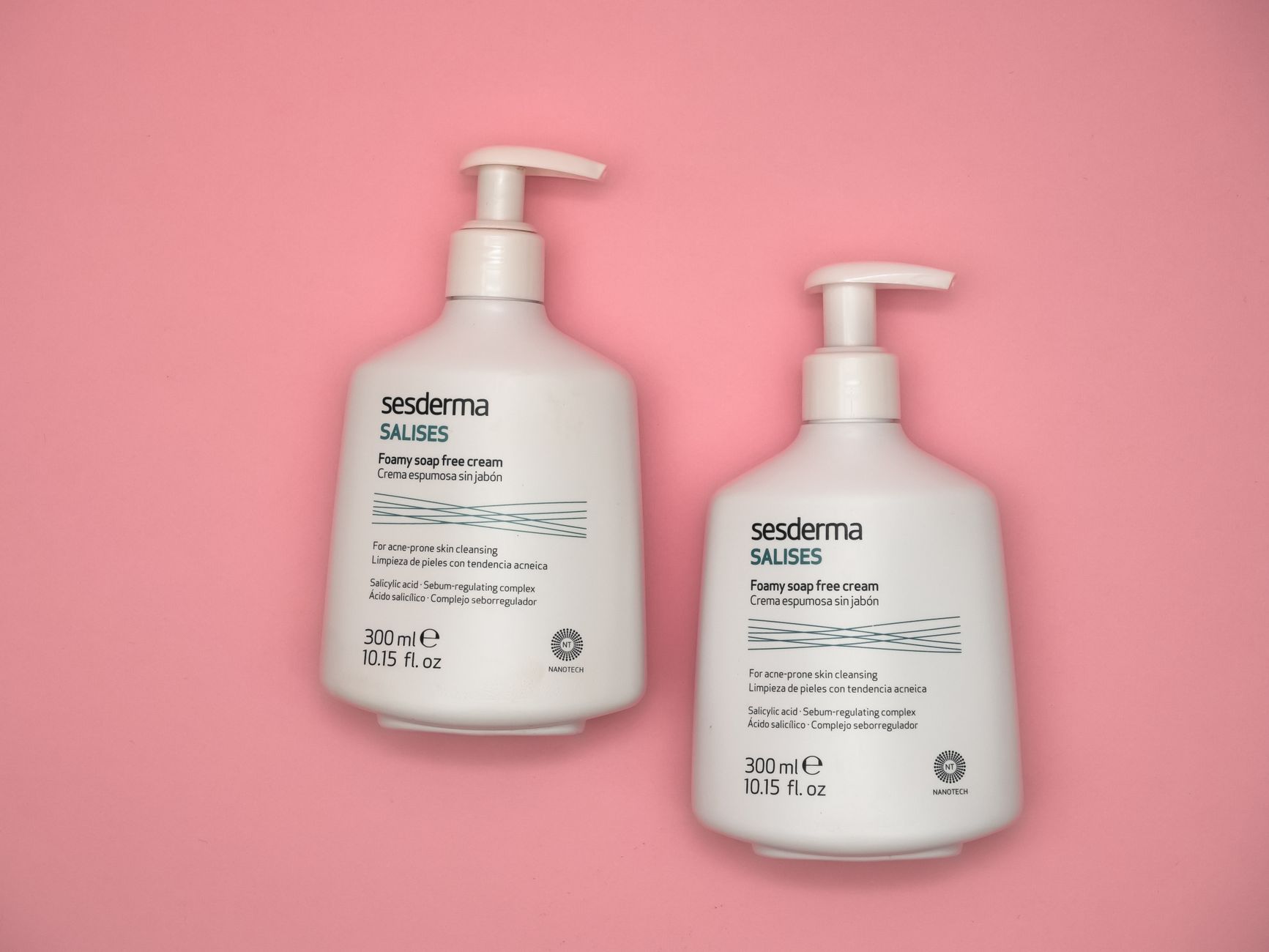
Body acne can be an unwelcome companion, affecting self-confidence and comfort. Understanding how to manage and prevent it is key to achieving clearer skin. This comprehensive guide will explore the causes of body acne and provide effective treatment options tailored to various skin types and concerns.
Whether you’re troubled by breakouts on your back, chest, or elsewhere, a solid routine can help minimize their appearance. Let’s delve into the world of body acne, its triggers, and the best practices for treatment and prevention.
How to Get Rid of Body Acne?
To effectively get rid of body acne, focus on maintaining clean skin, using appropriate treatments, and incorporating preventive measures into your routine. Regular exfoliation, targeted topical treatments, and a suitable body care regimen will help minimize breakouts over time.
Understanding Body Acne: Causes and Triggers
Body acne can arise due to several factors, some of which may overlap with facial acne. Understanding the following common causes can help in targeting treatment and prevention strategies:
- Hormonal Changes: Fluctuations in hormones, typically seen during puberty, menstrual cycles, or pregnancy, can lead to increased sebum production, contributing to acne.
- Excess Oil Production: Overactive sebaceous glands can result in oily skin, which clogs pores and creates an environment for pimples to thrive.
- Pore Blockage: Dead skin cells and impurities can accumulate on the skin’s surface, leading to clogged pores. This can occur due to improper exfoliation.
- Bacterial Growth: The skin naturally harbors bacteria. An overgrowth, particularly of Propionibacterium acnes, can trigger inflammation and result in breakouts.
- Friction and Sweat: Physical irritation from tight clothing, backpacks, or workout gear can aggravate the skin. Sweat, coupled with occlusion, can exacerbate acne.
- Poor Hygiene: Infrequent showering, particularly after sweating, can allow oils and bacteria to build up on the skin, contributing to acne development.
- Dietary Factors: Some studies suggest that high glycemic index foods, dairy, and certain fats can influence acne severity.
- Stress: Anxiety and stress can trigger hormonal responses that may lead to increased oil production, aggravating existing acne conditions.
Identifying Your Skin Type
Understanding your skin type is essential in selecting the right products for managing body acne effectively. Here are the main skin types:
- Oily Skin: Characterized by an excess of sebum, which can lead to a shiny appearance and enlarged pores.
- Dry Skin: May feel tight or flake, and may be more prone to irritation from harsh products.
- Combination Skin: Exhibits characteristics of both oily and dry skin, possibly leading to breakouts in certain areas.
- Sensitive Skin: Prone to redness and irritation, requiring gentle products that do not exacerbate acne.
Step-by-Step Routine for Managing Body Acne
Creating a routine for body care is crucial in preventing and treating body acne. Here’s a simple regimen to consider:
- Cleanse: Begin with a gentle body wash suited for your skin type, preferably one containing salicylic acid or benzoyl peroxide, to remove excess oil and impurities. Cleanse twice a day—morning and evening.
- Exfoliate: Incorporate exfoliation 2-3 times a week using a physical scrub or a chemical exfoliant like glycolic acid. This helps to slough off dead skin cells and prevent clogging of pores.
- Treat: Apply targeted treatments to affected areas. Look for products with ingredients like salicylic acid, benzoyl peroxide, or tea tree oil, which can help reduce breakouts.
- Moisturize: Use a lightweight, non-comedogenic moisturizer to hydrate the skin without clogging pores. This step can prevent over-drying from acne treatments.
- Protect: If exposed to the sun, apply a broad-spectrum sunscreen appropriate for your skin type to prevent exacerbation from UV rays.
Products to Consider
With so many options available, selecting the right products can be overwhelming. Here’s a breakdown of the types of products to consider for targeting body acne:
1. Cleansers
Choose products formulated with:
- Salicylic acid to help dissolve excess oil and remove impurities.
- Benzoyl peroxide to target bacteria and reduce inflammation.
- Gentle, non-irritating formulas for sensitive skin types.
2. Exfoliators
For effective exfoliation, look for:
- Physical scrubs with fine granules for mild exfoliation.
- Chemical exfoliants containing AHAs or BHAs for deeper penetration.
3. Spot Treatments
Spot treatments containing:
- Benzoyl peroxide to quickly dry out pimples.
- Salicylic acid for targeted application on inflamed areas.
4. Moisturizers
Select non-comedogenic moisturizers with:
- Lightweight gel or lotion consistencies to prevent weighing down the skin.
- Hydrating ingredients like hyaluronic acid or glycerin.
5. Sunscreens
Look for broad-spectrum sunscreens labeled:
- Non-comedogenic to avoid triggering further breakouts.
- Lightweight and oil-free, particularly for those with oily skin types.
Natural Remedies for Body Acne
For those who prefer a more natural approach, consider the following remedies, keeping in mind that individual results may vary:
- Tea Tree Oil: Known for its antibacterial properties, tea tree oil can be diluted with a carrier oil and applied directly to affected areas.
- Aloe Vera: With its soothing properties, aloe can help reduce inflammation and redness when applied topically.
- Witch Hazel: This natural astringent can help degrease the skin while tightening pores and may assist in managing breakouts.
- Green Tea: Applying cooled green tea bags to inflamed areas can provide soothing relief due to its antioxidant properties.
Common Mistakes to Avoid
When trying to manage body acne, here are some common pitfalls to sidestep:
- Over-cleansing: Washing too frequently can strip the skin’s natural oils, leading to irritation and potentially more breakouts.
- Using Harsh Products: Many believe the stronger the product, the better, but harsh ingredients can worsen irritation.
- Neglecting Moisturizer: Skipping moisturizer can lead to excessive dryness that triggers oil production.
- Not Exfoliating: Failing to remove dead skin can result in clogged pores, aggravating acne issues.
- Ignoring Professional Help: If over-the-counter solutions are ineffective, consult a skincare professional for personalized recommendations.
Setting Realistic Expectations
When embarking on a journey to clear body acne, it’s important to have realistic expectations. Here are a few points to consider:
- Results may not be immediate; most treatments take time to show significant improvement.
- Consistency is key in any routine—avoid skipping steps or changing products too frequently.
- Skin may adapt to products, requiring adjustments over time.
- For recurring or severe cases, professional treatments may offer more targeted solutions.
When to Seek Professional Help
While many cases of body acne can be managed at home, consider seeking a professional if you experience:
- Severe breakouts that do not respond to over-the-counter products.
- Scarring or dark spots that persist after acne has cleared.
- Systemic symptoms, such as fever or significant discomfort.
- Worsening irritation or signs of infection.
Conclusion
Getting rid of body acne involves understanding its triggers, establishing a consistent skincare routine, and selecting the right products. With patience and care, it is possible to manage breakouts and achieve clearer skin. Start today by evaluating your routine and making necessary adjustments to take charge of your skin health.
For further reading, explore related beauty guides such as how to get rid of cystic acne or learn about natural methods to remove acne scars. Taking these steps will lead you toward healthier skin!