
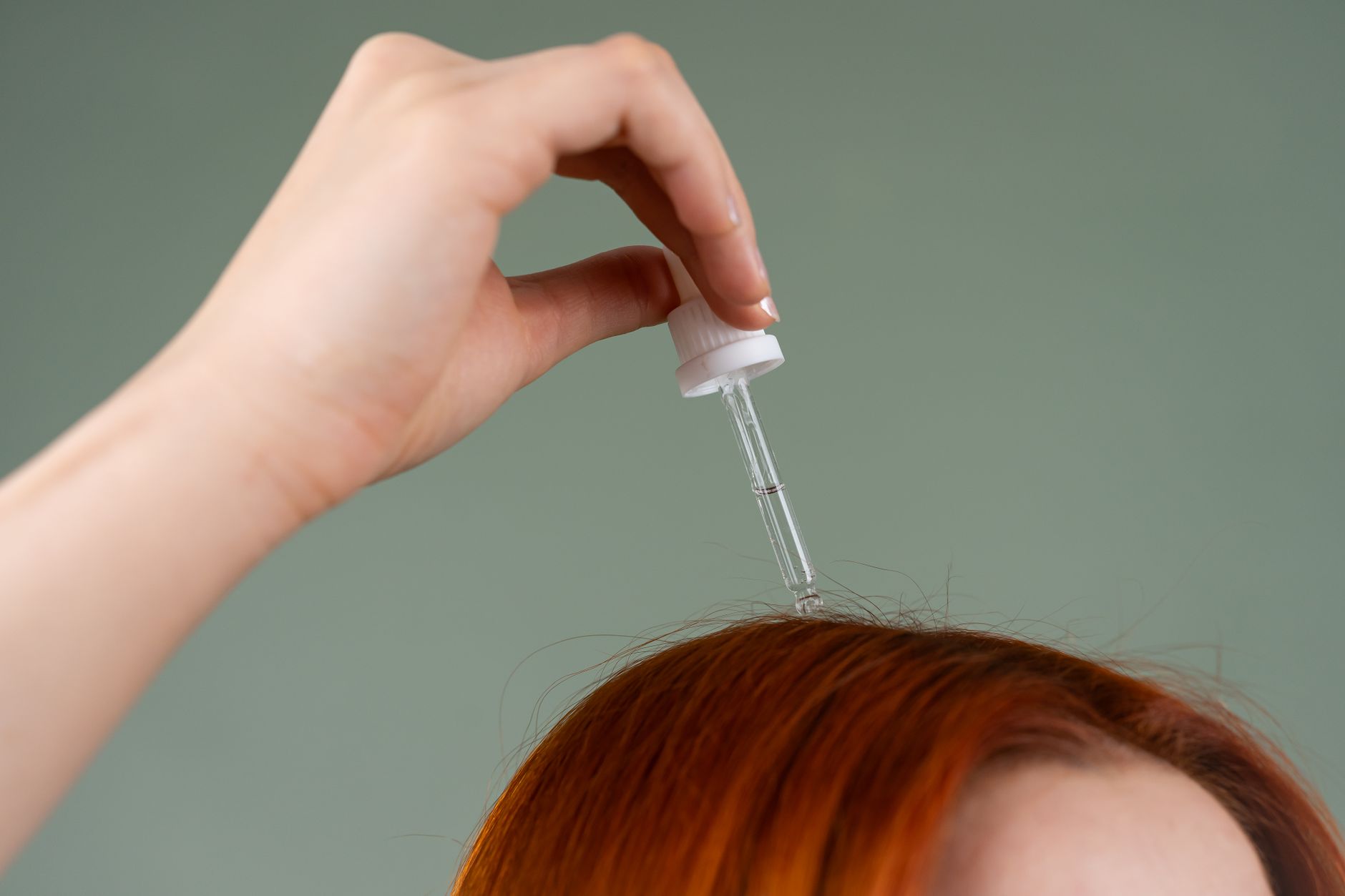
Keeping your hair hydrated is essential for maintaining its health, shine, and overall appearance. Hydration helps to prevent dryness, brittleness, and split ends, often resulting in a vibrant look. Whether you have curly, straight, or textured hair, learning how to hydrate it effectively is paramount for achieving luscious locks.
In this article, we’ll explore actionable tips on how to hydrate hair, highlight common mistakes to avoid, and provide a comprehensive guide tailored for various hair types. Let’s transform your hair care routine!
How to Hydrate Hair?
To hydrate hair, it’s important to use products and techniques that infuse moisture, enhance moisture retention, and avoid dehydration. This includes choosing the right shampoos and conditioners, using masks, oils, and regular trims to keep hair vibrant and healthy.
Understanding Hair Hydration: The Basics
Hair hydration is about maintaining the right moisture balance in your hair strands. Hair loses moisture due to environmental factors, heat styling, and chemical treatments. Understanding the different types of hair and their specific needs can help you adapt your hydration strategy effectively.
Types of Hair and Their Hydration Needs
- Straight Hair: This type tends to be oilier at the roots and may become dry at the ends. Hydration needs focus on nourishing the ends.
- Wavy Hair: Wavy hair can be prone to frizz and dryness. It benefits from hydration that enhances wave definition while controlling frizz.
- Curly Hair: Curly hair tends to be dry due to the natural oils not traveling down the shaft. It usually requires heavy moisturization and deep conditioning treatments.
- Textured Hair: Highly textured hair often requires the most hydration and moisture retention. Products that offer intense hydration are essential.
Steps to Hydrate Hair Effectively
- Choose the Right Shampoo: Start with a sulfate-free shampoo that does not strip your hair of its natural oils. Look for hydrating ingredients like aloe vera and glycerin.
- Condition Regularly: Use a moisturizing conditioner after shampooing. Make sure to coat your hair evenly, focusing on the mid-lengths and ends.
- Utilize Leave-In Conditioners: A leave-in conditioner is beneficial for providing ongoing moisture throughout the day. Apply it to damp hair to lock in hydration.
- Incorporate Hair Masks: Regularly use a hair mask designed for hydration. Aim for once a week, or more frequently if your hair is very dry. This can help to restore moisture and improve texture.
- Apply Oils or Serums: Finishing your hair care routine with an oil or serum can seal in moisture. Look for natural oils like argan, coconut, or jojoba oil.
- Stay Hydrated Internally: Don’t forget that hydrating your body can greatly impact your hair. Drink plenty of water and maintain a balanced diet rich in vitamins and minerals.
- Avoid Heat Styling: Limit the use of heat tools which can dry out hair. If you must, use a heat protectant spray to minimize damage.
- Get Regular Trims: Regular haircuts help to eliminate split ends and keep hair looking healthy. Aim for a trim every six to eight weeks.
- Use Cool Water Rinse: Finish your shower with a cool water rinse to help seal the hair cuticle and retain moisture.
Additional Tips for Optimal Hair Hydration
- Use a Humidifier: If you live in a dry climate, using a humidifier can help add moisture to the air, which benefits your hair.
- Protect Your Hair While Sleeping: Use a silk or satin pillowcase to reduce friction, or wear a satin scarf to minimize moisture loss while sleeping.
- Limit Wash Frequency: Washing your hair too often can strip it of natural oils. Try to wash your hair only 2-3 times a week.
- Know Your Hair’s Porosity: Understanding whether your hair is low, medium, or high porosity can help you choose products that suit your hydration needs.
- Pre-Poo Treatments: Consider applying oil or a moisturizing conditioner before shampooing to protect your hair from the drying effects of shampoo.
Common Mistakes to Avoid When Hydrating Hair
While it’s important to implement the right techniques for hydration, avoiding some common mistakes is equally essential for maintaining healthy hair. Here are several pitfalls to watch for:
Over-Washing
Washing your hair too frequently can lead to dryness. Aim to find a balance that works for your hair type, keeping natural oils intact.
Neglecting the Ends
Many people focus hydration efforts on the scalp and roots while neglecting the ends. Hair is prone to dryness at the tips, so it’s important to hydrate all sections.
Using the Wrong Products
Choosing products that contain drying alcohols, sulfates, or other harsh chemicals can exacerbate dryness. Always read the ingredient list and opt for hydrating formulas.
Skipping Regular Trims
Split ends can travel up the hair shaft and lead to more significant damage. Regular trims help maintain healthy hair and reduce dryness.
Not Moisturizing Enough
Many people underestimate how much moisture their hair needs, especially during changing seasons. Be mindful of environmental factors that can affect hydration and adjust your routine accordingly.
Natural Remedies for Hair Hydration
If you prefer natural solutions, consider incorporating the following remedies into your hair care routine:
- Avocado: This fruit is rich in vitamins and healthy fats. Create an avocado hair mask by mashing a ripe avocado and mixing it with olive oil. Apply it to your hair and leave it on for 30 minutes before rinsing.
- Honey: Honey is a natural humectant, meaning it attracts moisture. Mix honey with a bit of warm water or yogurt; apply to damp hair for half an hour before rinsing.
- Coconut Milk: Coconut milk is naturally moisturizing. Apply it as a conditioner, leave it on for a while, then rinse thoroughly.
- Aloe Vera: Aloe vera is known for its soothing and moisturizing effects. Apply pure aloe vera gel to your hair as a hydrating treatment.
How to Maintain Hair Hydration Long-Term
Long-term hydration requires consistency and an understanding of your hair’s evolving needs. Incorporating hydration into your daily routine can help maintain moisture levels over time.
Assess Your Hair Seasonally
Hair hydration needs can change with the seasons. Cold and dry winter air often leads to increased dryness, while humidity in summer may require a different approach. Adjust your products and frequency of hydration treatments based on the season.
Evaluate Your Hair Care Products
Periodically assess if your hair care products are still meeting your hydration needs. As your hair changes due to growth, treatment, or environmental factors, the products you use may also need to evolve.
Foster a Healthy Diet
Incorporate foods rich in omega-3 fatty acids, vitamins A, C, D, and E, and protein to bolster your hair’s health from the inside out. Consider including walnuts, salmon, spinach, and sweet potatoes in your diet.
Final Thoughts on Hydrating Hair
Effective hair hydration encompasses a variety of approaches, from choosing the right products to adopting healthy habits. By prioritizing moisture and avoiding common pitfalls, you can achieve healthy, hydrated hair that looks its best. Remember, consistency is key!
As you embark on your hair hydration journey, consider exploring additional resources on maintaining moisture in your hair, such as our guides on How to Moisturize Hair and How to Use Hair Mask.