
Facial redness can be a frustrating skincare concern for many, affecting people of all skin types and tones. Whether it’s temporary blushing, persistent rosacea, or simply sensitivity, redness can disrupt your beauty regimen and self-confidence. Understanding the causes and potential solutions can help you effectively reduce redness and restore your skin’s natural glow.
This guide will walk you through the various causes of redness on the face, practical solutions to minimize it, and professional tips to support your journey towards more even-toned skin.
How to Reduce Redness on Face?
To reduce redness on the face, it’s essential first to identify the underlying causes. This exploration can lead to more effective treatments. Utilizing soothing ingredients, adjusting your skincare routine, and possibly incorporating makeup solutions can help manage and minimize redness.
Understanding the Causes of Redness
Redness on the face can stem from a variety of sources. Recognizing the underlying cause is crucial in finding the right solution. Here are some common reasons why you may experience facial redness:
- Rosacea: A chronic skin condition characterized by facial redness, flushing, visible blood vessels, and sometimes acne-like bumps. It often requires specialized treatment.
- Allergic Reactions: Products containing irritating or allergenic ingredients can provoke redness and inflammation.
- Sun Exposure: Overexposure to the sun can lead to sunburn, which causes redness, discomfort, and peeling skin.
- Skin Conditions: Conditions such as eczema and psoriasis can cause redness and irritation.
- Dry Skin: Dehydrated skin can lead to flakiness and a red appearance as the skin barrier becomes compromised.
- Acne: Inflammation associated with acne can result in visible redness.
- Temperature Changes: Sudden exposure to hot or cold environments can stimulate blood flow and lead to temporary redness.
- Emotional Factors: Stress, anxiety, and embarrassment can all trigger flushing and redness.
Solutions to Reduce Redness
With an understanding of the causes, you can implement strategies to effectively reduce redness. Here are some solutions to consider:
1. Gentle Cleansing
Start by using a gentle, hydrating cleanser that won’t strip your skin or exacerbate redness. Look for products that are fragrance-free and designed for sensitive skin.
2. Soothing Ingredients
Incorporate skincare products containing calming ingredients. Here are a few ingredients known for their soothing properties:
- Aloe Vera: Known for its soothing and anti-inflammatory properties.
- Cica (Madecassoside): Helps calm irritated skin and strengthens the skin barrier.
- Chamomile: Provides calming and anti-inflammatory benefits.
- Green Tea Extract: Packed with antioxidants, it can reduce inflammation.
- Niacinamide: A form of vitamin B3, it helps soothe skin and improve the skin barrier.
3. Hydration
Keep your skin well-hydrated by using a moisturizer suited for your skin type. Look for formulas that emphasize calming and hydration for sensitive skin. Ingredients like hyaluronic acid and glycerin can help retain moisture in the skin.
4. Sun Protection
Always use a broad-spectrum sunscreen with at least SPF 30 to protect your skin from UV damage. Look for physical sunscreens containing zinc oxide or titanium dioxide, as they are often less irritating than chemical sunscreens.
5. Avoid Known Irritants
Be cautious with skincare ingredients that can provoke redness, such as alcohol, fragrances, and harsh exfoliants. Gradually introduce new products to your routine to identify anything that may cause irritation.
6. Cooling Masks and Treatments
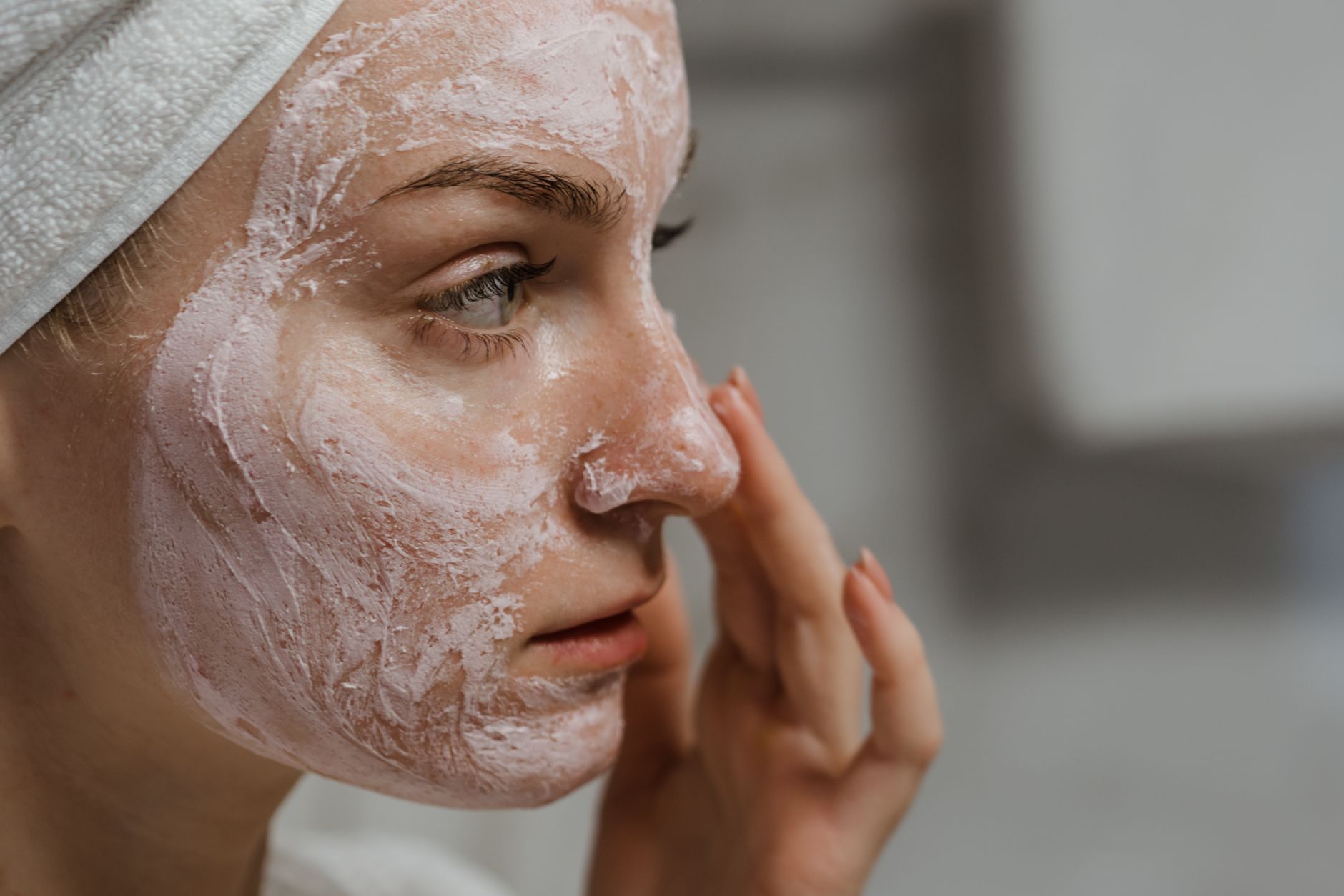
Occasional use of a cooling face mask or treatment can provide instant relief from redness. Look for products containing soothing ingredients to calm inflammation.
7. Medication and Prescription Treatments
If persistent redness or rosacea is an issue, consider consulting with a dermatologist. They may recommend topical or oral medications to reduce inflammation and redness effectively.
Makeup Tips for Concealing Redness
When it comes to makeup, there are several strategies to effectively conceal redness without aggravating your skin:
1. Color Correcting
Color correcting makeup can neutralize redness before applying foundation. Use a green color corrector, which counteracts red tones in the skin. Apply it sparingly on areas with the most redness and blend well.
2. Primer Selection
Invest in a primer specifically designed to reduce redness. Look for one that contains soothing ingredients and helps to even out skin tones while providing a smooth base for foundation.
3. Choosing the Right Foundation
Select a foundation that specifies coverage without being overly heavy. Opt for a formula that suits your skin type—mattifying for oily skin and moisturizing for dry skin. Ensure it has a green undertone to further balance redness.
4. Application Technique
Use a damp makeup sponge or a brush to apply foundation gently. Avoid heavy-handed application as it can exacerbate the appearance of redness. Light layers can provide buildable coverage without being overwhelming.
5. Setting Products
To ensure that your makeup stays put and maintains a natural look, set it with a translucent powder or a setting spray. Focus on areas that are prone to oiliness to prevent makeup from breaking down.
6. Removing Makeup Properly
At the end of the day, remove your makeup gently using a suitable makeup remover or micellar water. Avoid harsh scrubbing, which can irritate the skin further.
Pro Tips to Support Redness Reduction
Here are additional tips to help you manage and reduce facial redness:
- Stay Hydrated: Drink plenty of water throughout the day to keep your skin hydrated from within.
- Manage Stress: Engage in stress-relieving activities like yoga, meditation, or deep breathing exercises to help calm your skin and body.
- Cool Showers: Hot water can exacerbate redness, so consider taking lukewarm or cool showers.
- Use Humidifiers: Maintaining humidity in your home can help keep your skin from drying out.
- Choose Breathable Fabrics: When it comes to clothing, opt for breathable materials to avoid irritation from sweating or heat.
Common Mistakes to Avoid
By understanding common mistakes, you can avoid exacerbating redness:
- Over-Exfoliating: Too much exfoliation can irritate the skin and cause redness. Stick to gentle exfoliants.
- Irritating Ingredients: Be cautious with active ingredients like retinoids and acids; introduce them slowly into your routine.
- Skipping Moisturizer: Even if you have oily skin, do not skip moisturizing. Hydrated skin is less prone to irritation.
- Ignoring Product Labels: Always read product labels and avoid known irritants based on your skin’s history.
Setting Realistic Expectations
Reducing redness on your face does not happen overnight. Visible results may take time and may vary based on the underlying cause. Consistency with a skincare routine and treatments is key. Monitor your skin’s reaction and adjust as necessary to suit your unique needs.
Incorporate new products gradually and be gentle with your skin. If irritation occurs, discontinue use and consult a dermatologist if needed.
Conclusion and Next Steps
Managing facial redness involves a combination of proper skincare, mindful product choices, effective makeup techniques, and lifestyle adjustments. By understanding your skin’s needs and implementing these strategies, you’ll be on your way to reducing redness and achieving a balanced complexion.
As you continue your skincare journey, consider exploring related beauty guides such as How to Depuff Face and practical information on How to Get Rid of Rosacea for further insights on skin health and beauty routines.