
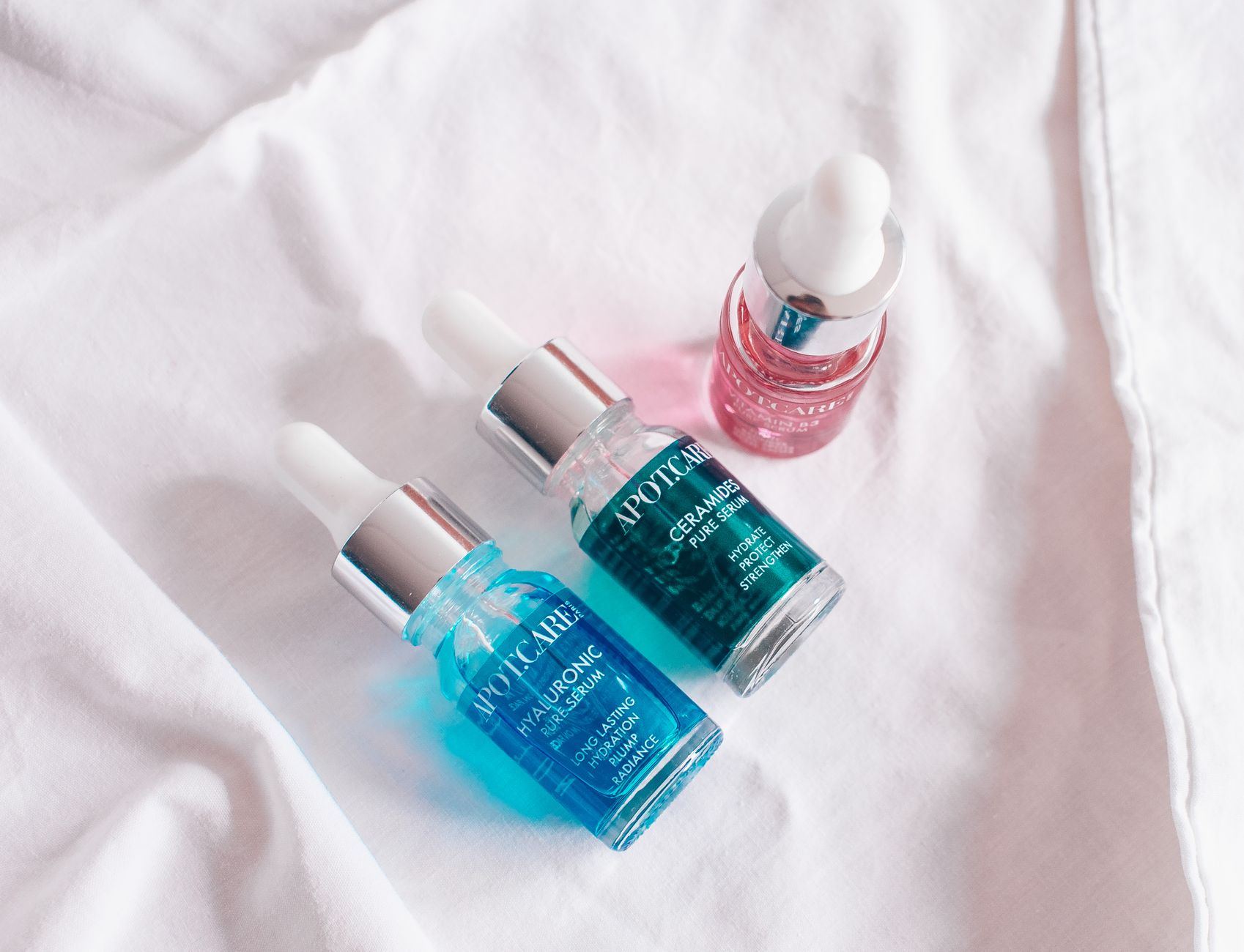
Many people struggle with acne and are looking for effective ingredients to add to their skincare routines. One ingredient that has gained popularity is hyaluronic acid. But, is hyaluronic acid good for acne? This article will explore the benefits and risks associated with using this ingredient in your quest for clear skin.
Understanding how hyaluronic acid interacts with acne-prone skin can help you make informed choices about your skincare regimen. Let’s dive into the science behind hyaluronic acid and its potential role in managing acne.
Is Hyaluronic Acid Good for Acne?
Hyaluronic acid is generally considered beneficial for acne-prone skin. It is renowned for its ability to hydrate and retain moisture in the skin without clogging pores, making it a suitable option even for those dealing with acne. By keeping the skin hydrated, hyaluronic acid may help support the skin’s natural barrier, potentially reducing irritation and inflammation associated with acne.
Understanding Hyaluronic Acid
Hyaluronic acid is a naturally occurring substance in the body, particularly in connective tissues, skin, and cartilage. It is a humectant, meaning it has the ability to attract and retain moisture. This property makes it advantageous for a variety of skin types, including oily and acne-prone skin.
When applied topically, hyaluronic acid can hold up to 1,000 times its weight in water, providing intense hydration. This hydration can lead to plumper, healthier-looking skin. However, it is essential to understand how this ingredient works for different skin types and conditions.
Benefits of Hyaluronic Acid for Acne-Prone Skin
- Moisture Retention: Hyaluronic acid helps retain moisture in the skin, preventing dryness and tightness that can worsen acne.
- Non-Comedogenic: It is lightweight and does not clog pores, which is crucial for those with acne-prone skin.
- Reduces Inflammation: By keeping the skin hydrated, hyaluronic acid can help minimize irritation, calming redness associated with acne.
- Enhances Skin Barrier: A well-hydrated skin barrier can help fend off bacteria and impurities that contribute to acne.
- Complementary Ingredient: Hyaluronic acid works well with other acne-fighting ingredients, enhancing their effectiveness without causing dryness.
How to Incorporate Hyaluronic Acid into Your Routine
Incorporating hyaluronic acid into your skincare routine is straightforward. Here’s a simple guide to help you add it effectively:
- Choose the Right Product: Look for serums or moisturizers that contain hyaluronic acid. Serums often have a higher concentration, making them more effective.
- Use After Cleansing: Apply hyaluronic acid to damp skin after cleansing. This helps to lock in moisture.
- Layering: You can layer it under your moisturizer for added hydration. Alternatively, it can be mixed into your daily moisturizer.
- Follow Up: Seal in the moisture with a suitable acne-fighting product or a lightweight moisturizer suitable for your skin type.
Considering Different Skin Types
When it comes to using hyaluronic acid for acne, personal skin type plays a significant role. Here’s how it can work across different skin types:
Oily Skin
If you have oily skin, hyaluronic acid can provide hydration without adding oiliness. Look for lighter formulations or gel-based products that offer hydration without making your skin feel greasy.
Dry Skin
For dry skin types, hyaluronic acid can be a game changer. Use it in combination with heavier creams to lock in moisture and alleviate dryness that often accompanies acne treatments.
Sensitive Skin
If your skin is sensitive or easily irritated, opt for a fragrance-free hyaluronic acid product. Patch testing is advisable to ensure your skin tolerates the ingredient well.
Possible Risks and Considerations
While hyaluronic acid is considered safe for most skin types, there are a few factors to keep in mind:
Over-Hydration
Using too much hyaluronic acid may lead to over-hydration, causing the skin to feel puffy or swollen. It’s essential to find the right balance that works for your skin.
Ingredient Interaction
Be cautious when combining hyaluronic acid with other active ingredients. Strong acne treatments, such as retinoids or benzoyl peroxide, can sometimes lead to irritation if not used properly. Consider alternating days or monitoring your skin’s reaction before fully integrating these products.
Climate Factors
Hyaluronic acid draws moisture from the air, so its effectiveness can be influenced by humidity levels. In dry environments, it may pull moisture from deeper layers of the skin instead, potentially leading to dehydration. To counteract this, ensure a good moisture barrier is present in your routine.
Common Mistakes to Avoid
Here are some common mistakes people make when incorporating hyaluronic acid into their skincare:
- Applying to dry skin without dampening it first.
- Overusing products containing hyaluronic acid, leading to skin discomfort.
- Combining with incompatible active ingredients without proper understanding.
Recognizing Signs of Irritation
As you start using hyaluronic acid, be mindful of any signs of irritation. If you experience redness, peeling, or an increase in acne, consider discontinuing use and consulting a professional.
Realistic Expectations
While hyaluronic acid can benefit acne-prone skin, it’s important to set realistic expectations. It is not an overnight solution to acne but can be a supportive element in a broader skincare routine. The best approach combines hydration with effective treating agents for acne.
Complementing Your Routine
In addition to hyaluronic acid, consider including the following products in your routine:
- Benzoyl Peroxide: Helps treat acne by targeting bacteria.
- Salicylic Acid: Exfoliates the skin and helps unclog pores.
- Retinoids: Promotes skin cell turnover and can prevent the formation of new acne.
Conclusion
Hyaluronic acid can be a beneficial addition to the skincare routines of those with acne-prone skin. Its hydrating properties help maintain skin health and complement other acne treatments. However, always consider your skin type, listen to your skin’s needs, and be mindful of how the ingredient interacts with other products.
Ready to enhance your skincare routine with hyaluronic acid? Start by selecting a product that suits your skin type and follow it with your favorite moisturizer for optimal hydration. For more insights, explore our article on Does Hyaluronic Acid Help Acne? and check out How to Get Rid of Acne Fast for further tips.