
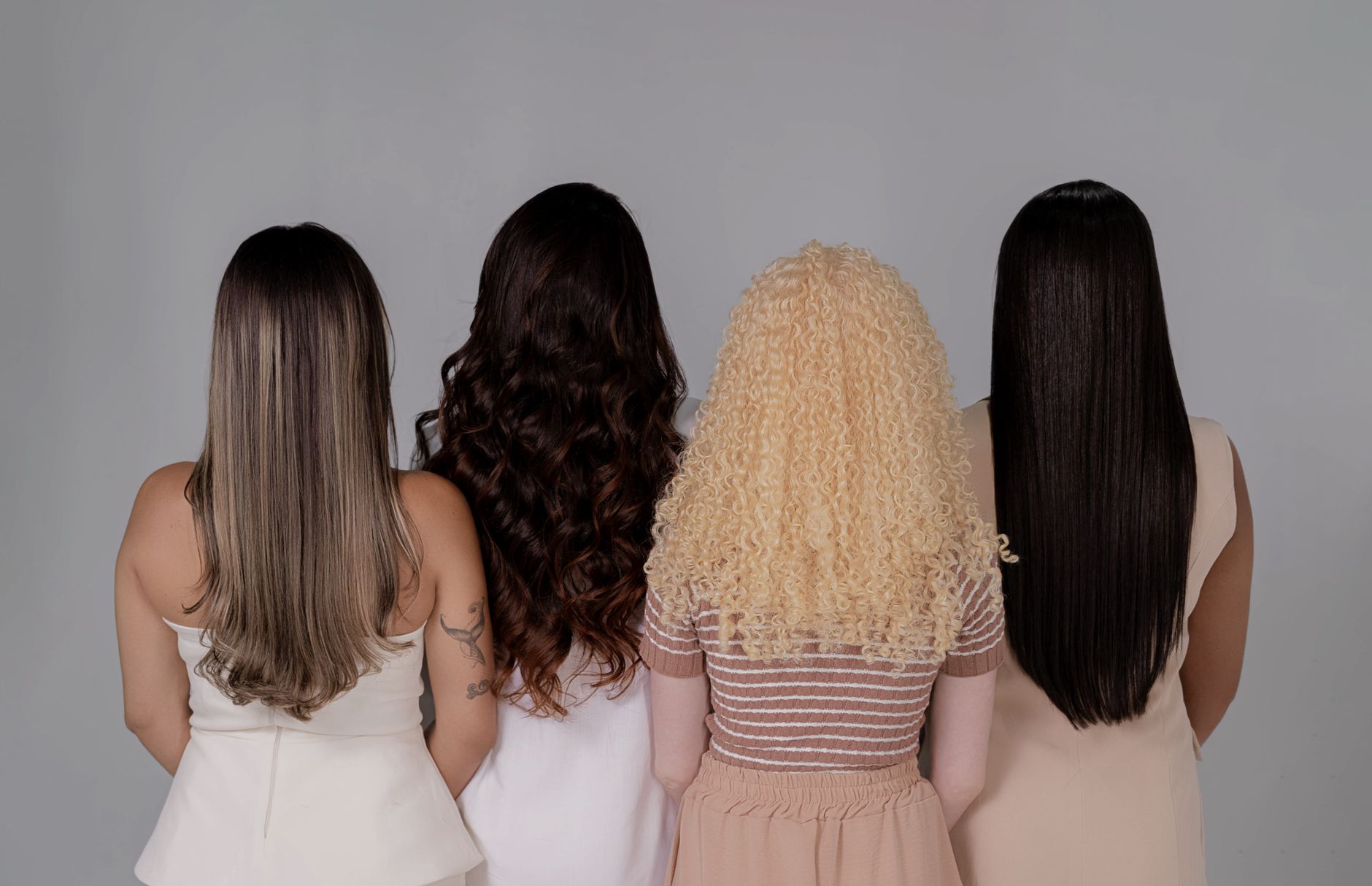
When it comes to hair extensions, wigs, or weaves, the term “virgin hair” often pops up. Many people aspire to incorporate virgin hair into their beauty routines, but it’s essential to understand what it is and why it’s valued. This guide will explore the meaning, quality attributes, and practical tips for buying virgin hair, ensuring you make informed choices.
In the world of beauty, virgin hair stands apart for its purity and versatility. Whether you’re new to the hair extension game or looking to upgrade your options, knowing about virgin hair can help enhance your beauty routine and the overall health of your hair.
What Is Virgin Hair?
Virgin hair refers to hair that has never been chemically processed, dyed, or treated in any way. This ensures that the hair’s natural texture, color, and qualities remain intact. Virgin hair comes from a single donor, which is crucial for maintaining consistency in texture and color throughout the strands. Because of its unprocessed state, virgin hair is considered high-quality and desirable in extensions and wigs.
Why Choose Virgin Hair?
Virgin hair carries numerous advantages that make it a preferred choice for hair extensions. Here are some of the standout benefits:
- Natural Appearance: Virgin hair has a natural shine and texture that blends well with your own hair, making it look more realistic.
- Durability: Since it hasn’t undergone chemical processing, virgin hair is stronger and less prone to damage from styling and environmental factors.
- Versatility: Virgin hair can be styled, colored, and treated like natural hair, allowing you to change your look without sacrificing hair quality.
- Easier Maintenance: Traditionally, virgin hair requires less maintenance compared to processed hair, making it more convenient for everyday wear.
Types of Virgin Hair
Virgin hair comes in several types, each offering different textures and characteristics. Here are the most common types:
- Brazilian Virgin Hair: Known for its softness and fullness, Brazilian virgin hair is often used in wigs and extensions. It blends well with various hair types.
- Peruvian Virgin Hair: This type offers a slightly thicker texture and is known for its body and wave. It’s ideal for individuals with thicker, natural hair.
- Indian Virgin Hair: Recognized for its natural versatility, Indian virgin hair can come in various textures, making it suitable for many styles.
- Malaysian Virgin Hair: Malaysian hair is heavier and more lustrous, often featuring a soft wave or straight texture. It’s a great choice for a sleek and polished look.
Quality Indicators of Virgin Hair
Not all virgin hair is created equal. Here are some key indicators to ensure you’re purchasing high-quality virgin hair:
1. Cuticle Alignment
The hair cuticles should be aligned in the same direction. When purchasing virgin hair, look for extensions or wigs where the cuticles are intact and facing the same way. This alignment helps reduce tangling and extend the lifespan of the hair.
2. Single Donor Source
Hair sourced from a single donor tends to have a consistent texture and color. This quality is vital for seamless blending with your own hair. Be cautious of mixed donor hair, as it often results in inconsistent quality.
3. Thickness and Texture Consistency
High-quality virgin hair should have a consistent thickness throughout the strands. Look for variations in texture, depending on the type you choose, but ensure consistent thickness for optimal styling.
4. No Synthetic Blends
Genuine virgin hair is 100% human hair with no synthetic blends. If a product labels itself as virgin hair but includes synthetic fibers, it doesn’t meet the standard and may lead to poor performance.
Buying Tips for Virgin Hair
As you consider adding virgin hair to your beauty routine, here are some practical tips to guide you:
1. Research Reputable Vendors
Always buy from a reputable vendor or brand known for selling quality virgin hair. Look for customer reviews and product ratings to gauge the reliability of the vendor.
2. Ask for Samples
If possible, request samples of the hair before committing to a purchase. This allows you to assess the texture, smell, and overall quality firsthand.
3. Check Return Policies
Before making a purchase, familiarize yourself with the return policy. A reliable vendor will offer a reasonable return policy, allowing you to return or exchange the hair if it doesn’t meet your expectations.
4. Understand the Pricing
While price is an essential factor, it shouldn’t be the sole determinant. High-quality virgin hair tends to be more expensive due to its natural attributes. Be cautious of deals that seem too good to be true as they often indicate lower-quality products.
5. Educate Yourself on Care Requirements
Different types of virgin hair may have specific care needs. Understanding the maintenance rituals associated with the hair you choose will help prolong its life and keep it looking great.
Caring for Virgin Hair
Proper maintenance is essential to maximize the lifespan of virgin hair. Here are some basic care tips:
1. Washing
- Use sulfate-free shampoos and conditioners to maintain the hair’s natural oils.
- Wash the hair every 1-2 weeks to remove buildup while ensuring you don’t strip its natural luster.
- Gently detangle the hair while it’s wet and avoid excessive friction.
2. Drying
Air drying is the best method to dry virgin hair. If you must use a blow dryer, ensure it’s on a low heat setting to prevent damage.
3. Styling
Virgin hair can be styled using heat tools, but always use a heat protectant to avoid damage. Limit heat exposure and always opt for lower temperatures when possible.
4. Storage
When not in use, store your virgin hair in a silk or satin bag to prevent tangling. Avoid leaving it out in humid conditions to maintain its quality.
Common Questions About Virgin Hair
As you navigate the world of virgin hair, you may have some burning questions. Here are a few frequently asked questions:
Can I Color Virgin Hair?
Yes, one of the advantages of virgin hair is that it can be dyed. Since it’s unprocessed, it often takes color more evenly and holds it better than chemically treated hair.
Is Virgin Hair Worth the Investment?
While it may cost more upfront than other types of hair extensions, the durability and versatility of virgin hair make it a worthwhile investment in the long run.
How Long Does Virgin Hair Last?
With proper care, virgin hair can last from 12 to 24 months or even longer. The longevity of the hair depends on the quality, care practices, and frequency of use.
Can I Straighten Virgin Hair?
Absolutely! Virgin hair can be straightened, curled, and manipulated as you would your natural hair. Just make sure to use appropriate styling tools and protectants.
Signs of Poor Quality Virgin Hair
Identifying low-quality virgin hair can save you time and money. Here are some signs to watch out for:
- Excessive Shedding: Quality hair should not shed excessively. If you notice strands falling out continuously, it’s likely lower quality.
- Tangles Easily: While some tangling is normal, virgin hair should not tangle excessively if properly cared for.
- Unpleasant Odor: Virgin hair should not have a synthetic smell. A chemical scent may indicate chemical treatments or low-quality materials.
Conclusion
Understanding what virgin hair is and how to choose and care for it can elevate your beauty routine and help you achieve beautiful hairstyles effortlessly. By investing in quality virgin hair and following proper care techniques, you can enjoy versatile, long-lasting extensions that enhance your natural beauty.
For additional beauty guides, routines, or techniques, check out our resources on hair gloss and using castor oil on hair.