
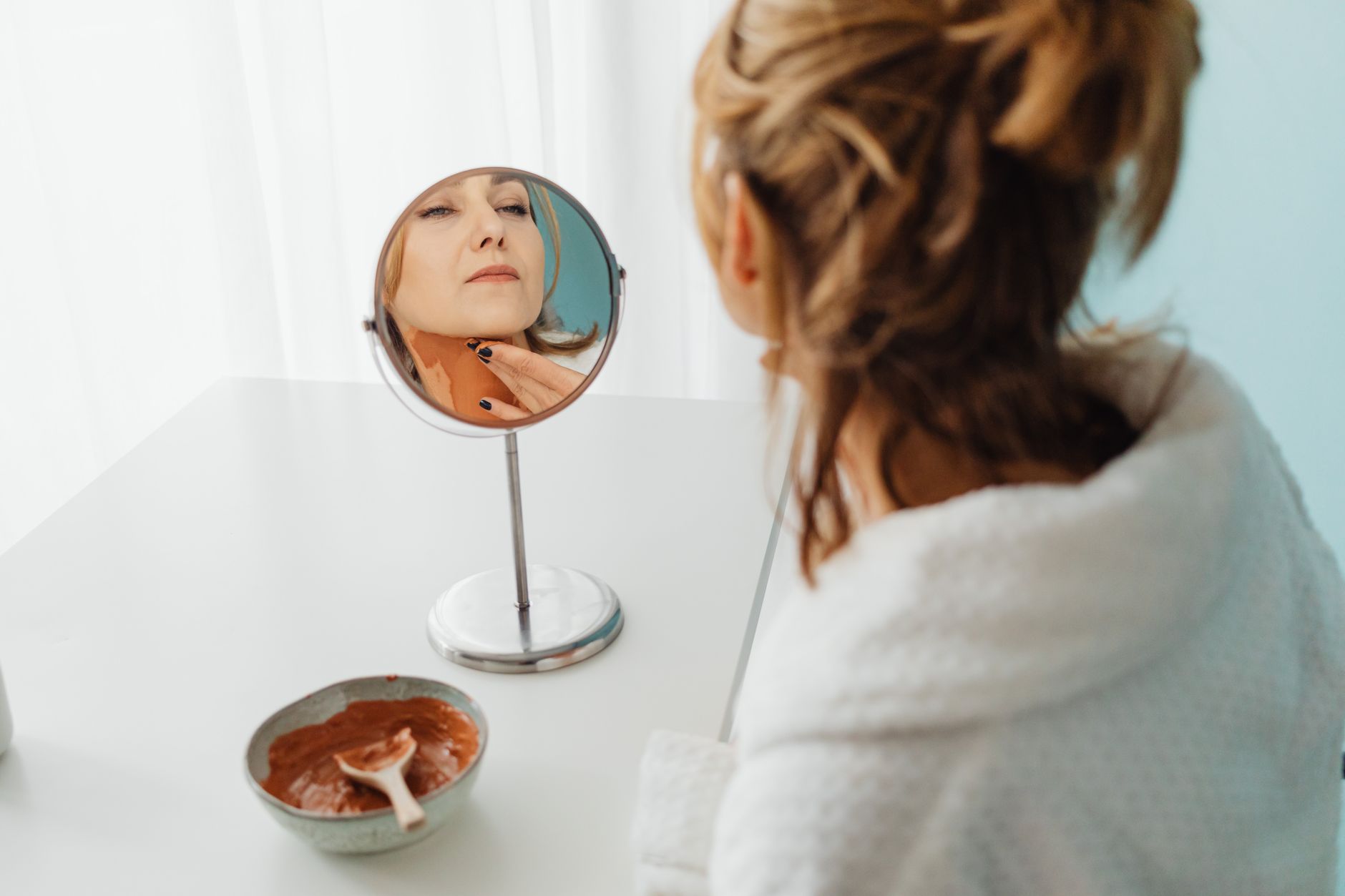
Tanning has become an integral part of many skincare routines, with numerous ways to achieve that sun-kissed look. While natural sun exposure can lead to unwanted skin damage, there are safer, sunless options available to give your skin a beautiful glow. This guide focuses on how to tan safely, whether you prefer self-tanners, bronzers, or other methods. You’ll also find tips for maintaining healthy skin throughout the tanning process.
Understanding how to tan effectively while prioritizing skin health is crucial in today’s beauty landscape. Let’s explore the top sunless tanning options, application techniques, skin safety tips, and maintenance suggestions to help you achieve a radiant look without the harmful effects of UV rays.
How to Tan Safely and Effectively?
To tan safely, opt for sunless tanning products like self-tanners, bronzers, and tanning oils. These products can provide a sun-kissed look without the risks of sunburn or long-term skin damage. Always prioritize skin safety by choosing the right products, preparing your skin properly, and following application guidelines.
Understanding Different Tanning Options
- Self-Tanners: These products contain ingredients that react with your skin’s amino acids to produce a brown color. They are available in various forms, including lotions, sprays, and mousses.
- Bronzers: These provide a temporary tan and are typically used for instant results. They can be powders or liquids and usually wash off with soap and water.
- Tanning Oils: These can offer a hint of color while moisturizing the skin but may still contain some degree of harmful UV exposure.
- Gradual Tanners: These products allow you to build up color over time as they contain a lower concentration of self-tanning agents. This can create a natural look.
Preparing Your Skin for Tanning
Proper skin preparation is essential for achieving an even, natural-looking tan. Follow these steps to ensure your skin is ready:
- Exfoliate: Start by exfoliating the skin 24 hours before applying any tanning product. Use a gentle scrub or exfoliating mitt to remove dead skin cells, which helps prevent patches and streaks.
- Moisturize: After exfoliating, moisturize your skin, focusing on dry areas such as elbows, knees, and ankles. This will help achieve an even tan.
- Shave or Wax: If you regularly shave or wax, do so at least 24 hours prior to application. Tanning immediately after hair removal can lead to irritation.
- Cleanse: Ensure your skin is clean and free from lotions or oils before applying your tanning product. This helps the product adhere evenly to your skin.
Application Techniques for Self-Tanners
Applying self-tanner correctly can make all the difference in the final result. Here’s how to do it:
- Choose the Right Environment: Apply your self-tanner in a well-lit area, preferably in your bathroom or a space with good lighting.
- Use Protective Gloves: To prevent staining your palms, wear disposable gloves or use the tanning mitt that often comes with the product. This will help you achieve a better finish and avoid orange palms.
- Start with Small Sections: Work in small sections, applying the tanner in circular motions. Begin with your feet and legs, then move upward. This technique will help avoid uneven patches.
- Be Mindful of Areas: Apply tanner lightly on areas prone to collecting more product like the elbows, knees, and ankles. Less tanner will create a more natural look.
- Blend Carefully: Make sure to blend the product well into your skin, especially around joint areas and hairlines. This helps prevent lines or streaks.
- Allow to Dry: Be sure to let the tanner dry completely before getting dressed. Some products recommend waiting for a period before wearing tight clothing to avoid smudging.
Maintaining Your Tan
Once you’ve achieved your desired tan, it’s essential to maintain it properly:
- Moisturize Regularly: Hydrate your skin daily to prevent it from drying out and causing the tan to fade unevenly.
- Avoid Long Baths or Showers: Long or hot showers can strip away your tan faster. Opt for lukewarm water and limit soak times.
- Exfoliate Gently: Exfoliation is essential for skin care but don’t overdo it; a gentle scrub once a week should suffice to keep the skin fresh without stripping the tan.
- Reapply as Needed: Depending on the product used, you may need to reapply your self-tanner every few days to maintain color. Gradual tanners require more frequent application for a continuous glow.
Sun Protection: Why It Matters
While self-tanners give you color without sun exposure, it’s crucial to protect your skin when outdoors. Use sunscreen to prevent UV damage, even if you have a tan.
- Choose a Broad-Spectrum Sunscreen: A sunscreen with SPF 30 or higher will protect against both UVA and UVB rays.
- Reapply Regularly: Reapply every two hours, especially after sweating or swimming, to maintain optimal protection.
- Consider Special Ingredients: Look for sunscreens that contain skin-nourishing ingredients like antioxidants to enhance protection.
Common Mistakes to Avoid
As you navigate the world of tanning, be mindful of these common pitfalls:
- Skipping Exfoliation: Failing to exfoliate can lead to uneven application and patchy results.
- Using Too Much Product: Applying too much tanner at once can lead to a dark, unnatural appearance. Start with a small amount and build up gradually.
- Ignoring Gloves: Failing to use gloves or a tanning mitt can result in stained palms, which can be unsightly.
- Not Allowing Enough Drying Time: Rushing the drying process can lead to smudging or streaking. Always wait until fully dry before dressing.
Signs of Irritation and How to Address Them
Be aware of how your skin reacts to tanning products. Common signs of irritation may include:
- Redness or inflammation
- Unusual dryness
- Stinging or burning sensations
If you experience any of these symptoms, cease use immediately and wash off the product. Consider using soothing, fragrance-free moisturizers to calm the skin.
Choosing the Right Products for Your Skin Type
When selecting self-tanning products, consider your skin type:
- Dry Skin: Look for self-tanners with hydrating ingredients like aloe vera or hyaluronic acid.
- Oily Skin: Opt for lightweight formulas that are oil-free to avoid clogging pores.
- Sensitive Skin: Choose products specifically labeled for sensitive skin, often featuring fewer irritants.
Conclusion and Next Steps
Achieving a sun-kissed look is within reach with the right knowledge and products. Remember to prioritize skin health, choose suitable tanning options, and follow application and maintenance best practices. By doing so, you can enjoy a safe and beautiful tan.
If you’re looking for more ways to enhance your tanning experience, don’t forget to check out our guides on how to remove self-tanner and how long self-tanner lasts. Expand your beauty knowledge and keep glowing!