
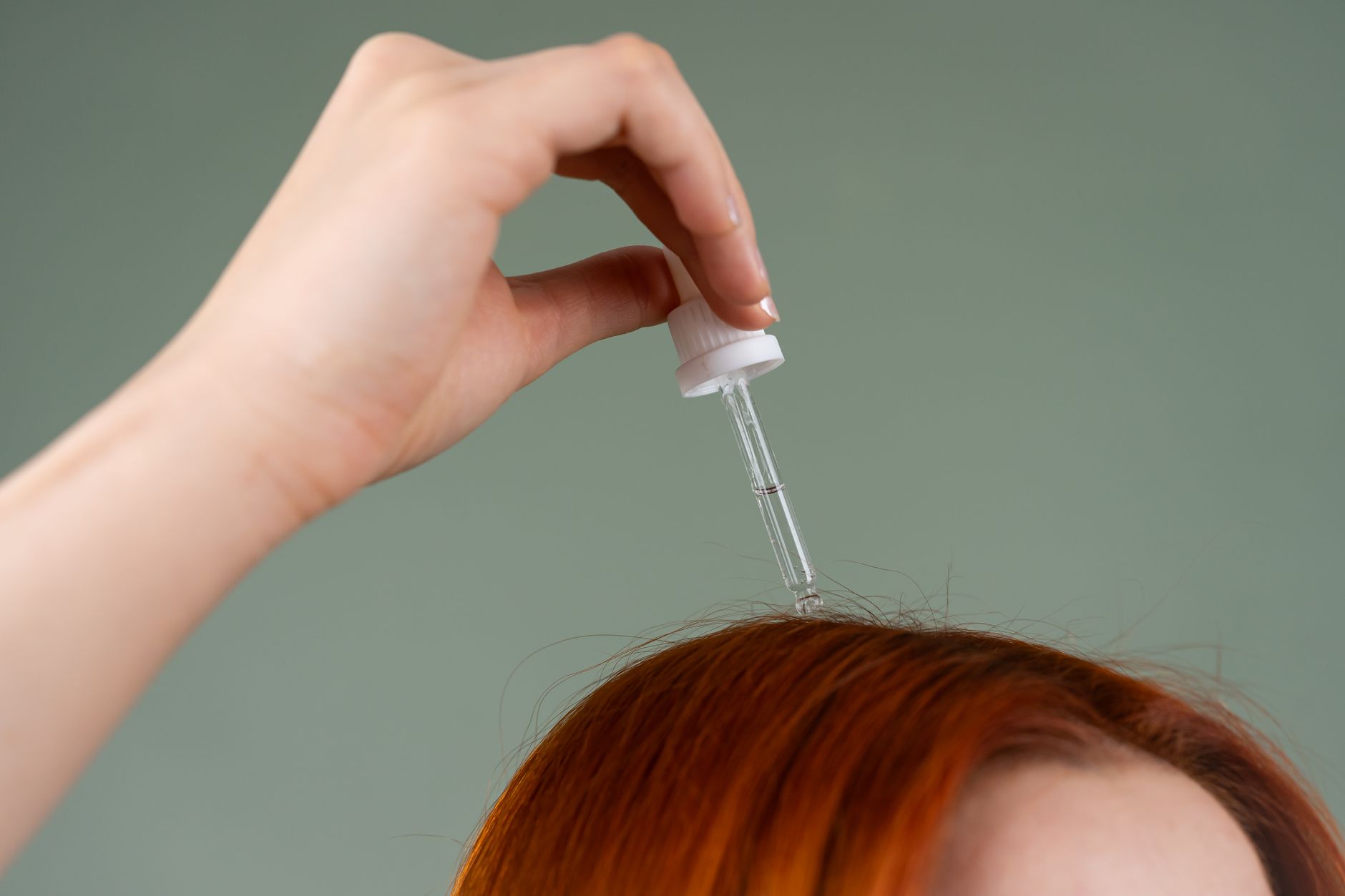
Thinning hair can be a concern for many, affecting self-esteem and confidence. Fortunately, numerous approaches and treatments can help improve the appearance of thinning hair, whether due to genetics, stress, hormonal changes, or other factors. By implementing practical tips, proper haircare routines, and understanding various treatment options, you can take significant steps toward promoting healthier, fuller-looking hair.
This guide will delve into actionable strategies to fix thinning hair. We’ll explore haircare routines, natural remedies, product recommendations, and lifestyle changes that can work together to nourish your hair and scalp.
How to Fix Thinning Hair?
To fix thinning hair, start by identifying the underlying causes, such as stress, hormonal shifts, or nutrient deficiencies. Incorporate a comprehensive haircare routine, use suitable products, consider dietary adjustments, and explore specialized treatments to enhance hair density and overall health.
Understanding Thinning Hair
Before diving into solutions, it’s important to understand the nature of thinning hair. Thinning hair refers to a reduction in the thickness and density of hair strands. This can be attributed to several factors:
- Genetics: Familial patterns of hair loss, such as androgenetic alopecia, are common.
- Hormonal Changes: Hormonal imbalances during events like pregnancy, menopause, or thyroid issues can lead to hair thinning.
- Stress: Physical or emotional stress can cause temporary thinning hair, often referred to as telogen effluvium.
- Nutrition: Deficiencies in vitamins and minerals like iron, vitamin D, and protein can affect hair health.
- Chemical Damage: Overprocessing hair with dyes, relaxers, or heat styling can weaken strands.
Building a Haircare Routine for Thinning Hair
A solid haircare routine can significantly impact the health of your hair. Here’s a practical structure for your haircare regimen:
1. Cleansing Your Hair
Regular cleansing is essential, but ensure you choose the right shampoo. Look for gentle formulas that are sulfate-free to avoid stripping natural oils. Here’s how to cleanse properly:
- Wet your hair thoroughly.
- Apply a small amount of shampoo (about a quarter-sized dollop).
- Massage the scalp gently using fingertips, not nails, to stimulate blood flow.
- Rinse thoroughly and follow up with a conditioner.
2. Conditioning Treatments
Conditioners detangle hair and add moisture. Consider using a leave-in conditioner or a deep conditioning mask weekly for added nourishment. Key ingredients to look for include:
- Aloe Vera: Hydrates and nourishes.
- Keratin: Strengthens and repairs hair.
- Argan Oil: Adds shine and moisture.
3. Scalp Care
A healthy scalp is critical for hair growth. Consider incorporating the following:
- Regular exfoliation: Use a scalp scrub or gentle exfoliant to remove buildup.
- Scalp massages: Enhance blood circulation with regular scalp massages using your fingertips or a stimulating tool.
- Essential oils: Oils like rosemary or peppermint may support healthy hair growth when mixed with a carrier oil and massaged into the scalp.
4. Styling Approaches
Choose hairstyles and techniques that minimize damage:
- Avoid tight hairstyles that pull on the roots.
- Limit heat exposure by air-drying whenever possible.
- Use heat protectants before styling with heated tools.
Nutrition and Supplements for Hair Health
A well-balanced diet plays a crucial role in the health of your hair. Here are some dietary considerations:
- Protein: Hair is largely composed of protein, so ensure sufficient intake from sources like lean meats, nuts, fish, and legumes.
- Iron: Iron deficiency can contribute to hair loss. Include iron-rich foods like spinach, lentils, and fortified cereals in your diet.
- Vitamins: Vitamins A, C, D, E, and B vitamins are essential for hair health. Consider integrating fruits, vegetables, whole grains, and nuts.
Consider Supplementation
If you suspect deficiencies are impacting your hair, consider supplements. Popular options to support hair health include:
- Biotin: Often touted for hair strength.
- Omega-3 Fatty Acids: Promotes scalp health.
- Multivitamins: A good overall supplement for nutrient support.
Natural Remedies for Thinning Hair
Natural remedies offer gentle, holistic approaches to hair health. Many may not provide instant results, but with consistent use, they can improve the condition of thinning hair over time.
1. Essential Oils
Consider incorporating essential oils into your scalp care routine. Some popular choices include:
- Rosemary Oil: Known for its potential to improve circulation.
- Peppermint Oil: Provides a refreshing sensation and may promote hair growth.
Always dilute essential oils with a carrier oil, such as coconut or jojoba, before applying them to the scalp.
2. Herbal Treatments
Certain herbs have traditionally been used to support hair growth. Popular options include:
- Hibiscus: This flower may promote hair growth and prevent premature graying.
- Amla: Also known as Indian gooseberry, it’s high in vitamin C and antioxidants that support hair health.
3. Aloe Vera
Aloe vera not only deeply moisturizes hair but may also promote healthier growth. You can apply pure aloe vera gel to your scalp and hair, leaving it on for about 30 minutes before rinsing. Its soothing properties also help combat scalp irritation.
Over-the-Counter Treatments
For those seeking more targeted approaches, several over-the-counter treatments may help manage thinning hair:
1. Minoxidil
Minoxidil is a topical treatment available without a prescription. It’s commonly used to stimulate hair growth in both men and women. It works by improving blood flow to hair follicles. Always follow the recommended directions for use, and be patient as it may take a few months to notice results.
2. Hair Thickening Products
Look for shampoos, conditioners, and styling products labeled as “thickening” or “volumizing.” These products often contain ingredients like biotin, keratin, or volumizing polymers that can help hair appear fuller.
Professional Treatments for Thinning Hair
If you’re looking for more significant results or struggling with severe thinning, several professional treatments may be considered:
1. PRP (Platelet-Rich Plasma) Therapy
This treatment involves drawing your blood, processing it to concentrate platelets, and injecting it into your scalp. PRP therapy aims to stimulate hair follicles and promote growth. Consult with a professional to see if this treatment is suitable for your needs.
2. Hair Transplant Surgery
For those with more permanent hair loss or thinning, hair transplant surgery may be a long-term solution. This procedure involves relocating hair follicles from dense areas to thinning areas. Discuss potential risks and results with a qualified dermatologist or surgeon. It’s essential to have realistic expectations about the outcome.
Lifestyle Changes to Support Hair Health
In addition to haircare and treatments, lifestyle changes can significantly impact hair health:
- Manage Stress: Practices like yoga, meditation, or deep breathing can help alleviate stress-related hair thinning.
- Sleep Well: Important for overall health, aim for 7-9 hours of quality sleep each night.
- Avoid Smoking: Smoking can restrict blood flow to hair follicles, contributing to hair loss.
Common Mistakes to Avoid
As you work on fixing thinning hair, be mindful of these common mistakes:
- Overwashing Hair: Frequent washing can strip natural oils; aim for 2-3 times a week unless hair is excessively oily.
- Ignoring Heat Protection: Always use heat protectant when styling with heat devices to minimize damage.
- Neglecting the Scalp: Don’t forget to care for your scalp, as a healthy scalp promotes healthy hair.
Setting Realistic Expectations
While many treatments and routines can help improve the appearance of thinning hair, it’s important to set realistic expectations. Results vary widely among individuals, and it can take time to notice any improvements. A consistent routine combined with healthy lifestyle changes is crucial for achieving the best results.
Conclusion
Dealing with thinning hair can be overwhelming, but several strategies can help you navigate your hair journey. By adopting a comprehensive haircare routine, considering natural remedies, and exploring both over-the-counter and professional treatments, you can work towards healthier, thicker-looking hair. Always consult with a professional if you’re uncertain about the best approach for your unique hair needs. Consider starting with small adjustments in your routine and monitoring your hair’s response.
To continue exploring related beauty topics, check out our guides on rosemary oil for hair growth and how to regrow hair.