
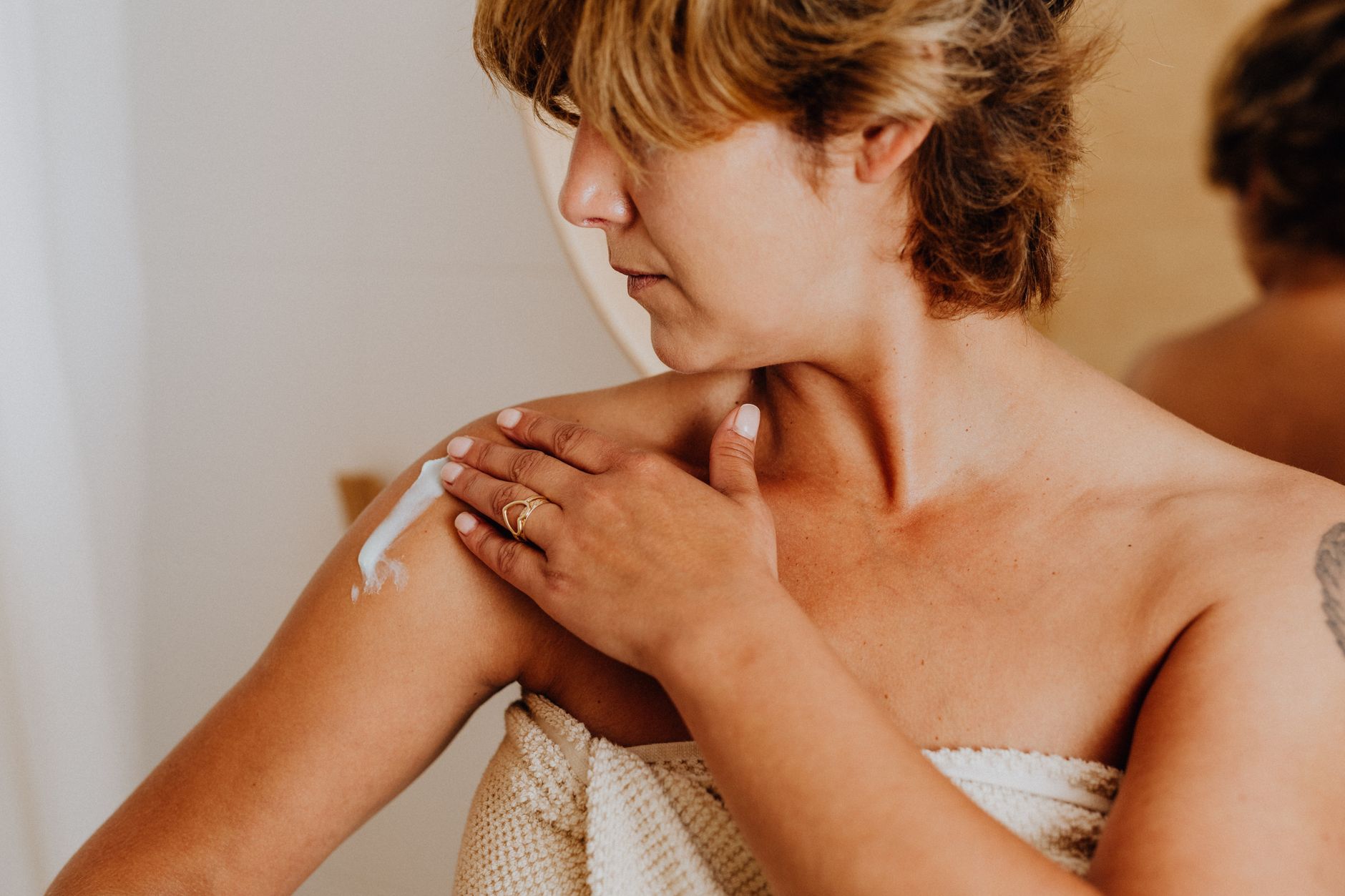
Self-tanner has become a popular alternative to sunbathing and tanning beds. With its ability to provide a golden glow without harmful UV exposure, many are curious about its longevity and how to make the most out of the product. Understanding how long self-tanner lasts, along with proper care tips, can help you maintain that sun-kissed hue longer.
In this guide, we will delve into the duration of self-tanners, the factors affecting their lifespan, and essential care tips that can extend your tan. Whether you’re a self-tanning novice or a seasoned pro, this article aims to provide you with comprehensive insights and practical advice.
How Long Does Self Tanner Last?
The lifespan of self-tanner can generally range from three to seven days, depending on several factors such as the product type, application technique, and skin care routine. In certain cases, self-tanner may last up to ten days, especially with proper care.
Different formulations of self-tanner—like lotions, sprays, and mousses—may also have different durations. While the color may start to fade gradually after a few days, many people still achieve a beautiful glow for up to a week with the right strategies.
Factors Affecting Self Tanner Longevity
Several key factors influence how long your self-tanner will last. Understanding these can help you adjust your application and care routine accordingly.
1. Product Type
Self-tanners come in various forms, each with unique properties:
- Mousses: These are lightweight, quick-drying, and tend to give a more natural finish. They usually last around five to seven days.
- Lotions and Creams: These tend to be thicker and may provide a deeper color, lasting approximately five to ten days.
- Sprays: These offer even application but may wear off faster if not layered correctly, generally lasting around three to five days.
- Face Tanners: Formulated specifically for the face, these products tend to have a shorter shelf life, lasting about three to five days.
2. Skin Type and Condition
Your skin type plays a significant role in how self-tanner develops and fades:
- Oily Skin: Self-tanner may fade quicker due to excess oil. Consider using less oily products or applying a primer before tanning.
- Dry Skin: Self-tanner can cling to dry patches, leading to uneven fading. Proper moisturization before application is essential.
- Normal Skin: This type tends to hold onto self-tanner better, allowing for longer-lasting results.
3. Pre-Tanning Preparation
How you prepare your skin can significantly affect the longevity of your tan:
- Exfoliation: Gently exfoliating before application can create a smooth canvas and help the product adhere evenly.
- Moisturizing: Hydrating your skin adequately can ensure a more even application. However, avoid applying lotion immediately before tanning.
4. Aftercare and Maintenance
Once you’ve applied self-tanner, proper aftercare is essential:
- Hydration: Keeping your skin moisturized will help prevent dryness and uneven fading. Look for lotions designed for self-tanner users.
- Showering: Limit hot showers and baths, as they can wash away your tan faster. Opt for lukewarm water and avoid loofahs or scrubbing.
Tips to Extend the Life of Your Self Tanner
Once you’ve invested time and product into getting that perfect tan, it’s only natural to want it to last as long as possible. Here are some tips to maximize its lifespan:
1. Proper Application Technique
The application method can influence how your self-tanner lasts:
- Prep Your Skin: Exfoliate and hydrate your skin thoroughly before application. This routine helps create an even base.
- Use a Mitt: Applying the product with a tanning mitt can prevent streaks and promote a smooth, even finish. Avoid using your hands directly.
- Layer Strategically: If you want a deeper color, apply a second layer after the first has dried, typically after 30 minutes. Do not overload on the product.
2. Daily Moisturization
Keeping your skin hydrated post-application can prolong your tan:
- Use a lightweight moisturizer daily to keep your skin nourished.
- Consider a gradual tanner moisturizer that adds color while hydrating.
3. Limited Exfoliation
Avoid harsh scrubbing or exfoliating washes that can hasten the fading of your tan. Use gentle cleansers when washing your body and limit exfoliation to once a week.
4. Avoid Chlorine and Saltwater
If possible, limit exposure to chlorinated pools and saltwater, as both can strip away self-tanner quicker than regular water. When swimming is unavoidable, rinse off immediately afterward to mitigate fading.
5. Check Your Products
Use products that are compatible with self-tanners:
- Avoid body washes with harsh exfoliants or AHAs that can break down the tanning agent.
- Look for products labeled as “self-tan friendly.”
How to Remove Self Tanner Safely
Even when taken care of, there might come a time when you want to remove self-tanner—whether it’s due to unevenness, fading, or skin irritation. Here’s how you can safely remove self-tanner:
- Exfoliating Scrubs: Gently use a sugar or salt scrub in the shower to buff away the color without being harsh on the skin.
- Baking Soda Paste: Mix baking soda with water to create a paste. Apply it to areas needing removal for up to 10 minutes before rinsing.
- Tan Remover Products: Consider investing in products specifically designed for self-tanner removal, following the manufacturer’s instructions.
Common Mistakes to Avoid with Self Tanner
Even experienced self-tanner users can fall victim to common pitfalls. Here are mistakes to avoid:
- Skipping Exfoliation: Failing to prep your skin can lead to uneven application and patchiness.
- Applying Too Much Product: Over-application can lead to an unnatural appearance. A little goes a long way.
- Wearing Tight Clothing: This can rub off the product and cause streaks. Wear loose clothing until your tan sets.
- Ignoring Dry Areas: Areas like elbows and knees absorb product differently. Use less in these areas or apply moisturizer beforehand.
What to Expect After Applying Self Tanner
Upon applying self-tanner, it’s common to experience a slight color change over the first few hours. Here’s what you might notice:
- Initial Color: Although self-tanner develops over several hours, some products may give an immediate bronzed appearance.
- Development Time: Most self-tanners take between 4 to 8 hours to fully develop. Avoid washing your skin during this time.
- Color Duration: As discussed, expect the color to last anywhere from three to ten days, with proper maintenance.
Final Thoughts on Self Tanner
Self-tanner can be a fabulous way to achieve a natural sun-kissed glow without spending hours in the sun. By understanding how long it lasts, taking proper care, and following good application techniques, you can enjoy a beautiful bronzed hue that extends for days. Remember, different products and individual skin types will yield varying results, so feel free to experiment while remaining mindful of your skin’s needs.
If you’re interested in self-tanner application methods or want to explore how to remove self-tanner effectively, check out our guide on removing self-tanner. Also, learn about the longevity of fragrances with our article on how long perfume lasts. Your bronzed, glowing skin is just the beginning of your beauty journey!