
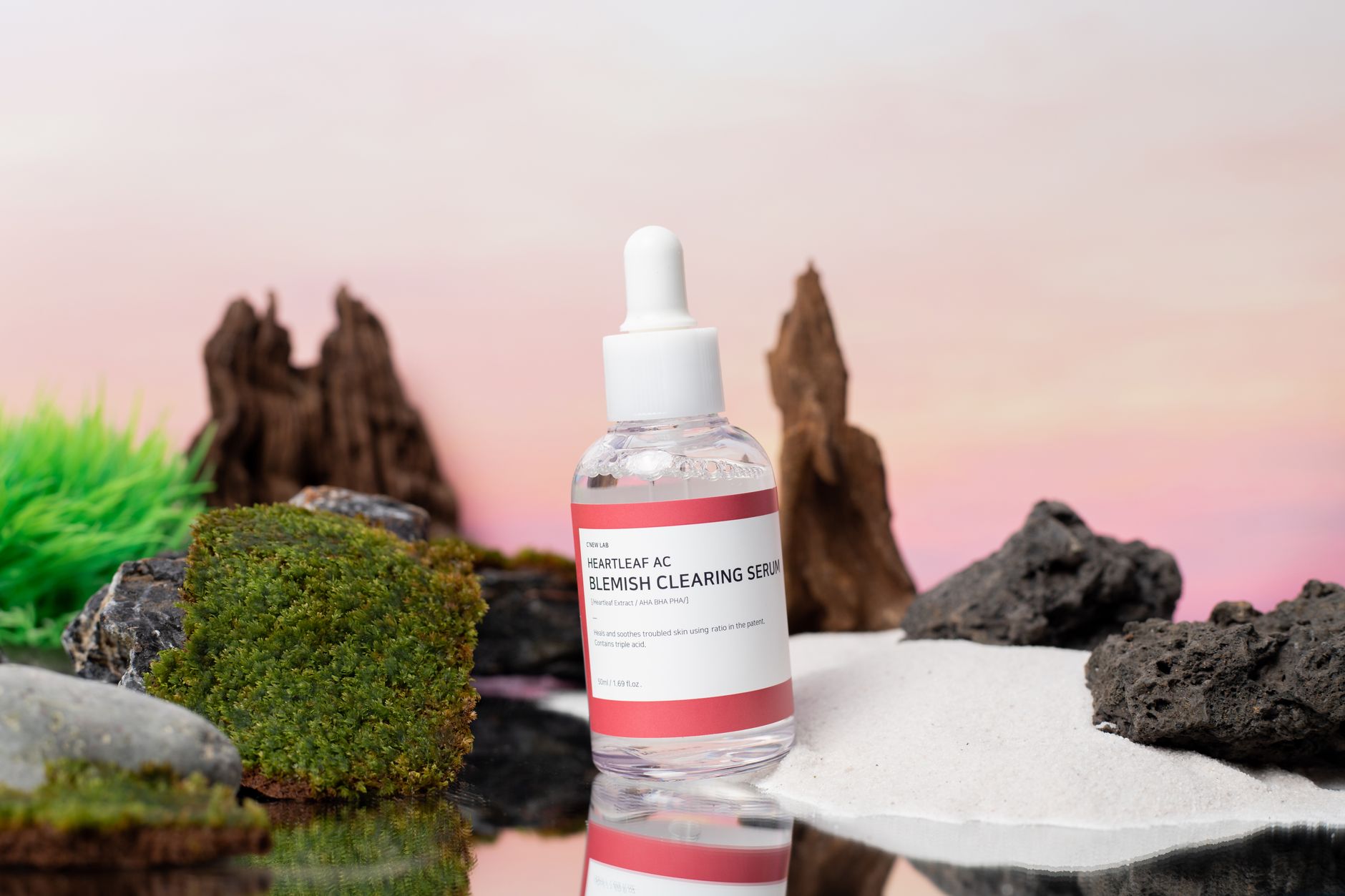
Hormonal acne is a common skin concern that many experience at different stages of life, particularly during puberty, menstruation, pregnancy, and menopause. Understanding what causes hormonal acne can help you better navigate your skincare routine and treatments.
This article delves into the triggers and hormones involved in hormonal acne and how to manage it effectively through various treatments.
What Causes Hormonal Acne?
Hormonal acne is primarily influenced by fluctuations in hormone levels, particularly androgens, which can lead to increased oil production, clogged pores, and inflammation. Understanding these connections is crucial for effective management.
Understanding Hormones and Their Impact
Hormones play a significant role in our bodies, influencing a wide range of functions, including skin health. Hormonal fluctuations can lead to various skin conditions, including acne. Here are key hormones that typically contribute to hormonal acne:
- Testosterone: This androgen hormone, although present in lower levels in females, can significantly impact oil production in the skin. Increased levels can lead to acne.
- Estrogen: Fluctuations in estrogen, particularly around menstrual cycles, can trigger acne flare-ups.
- Progesterone: Usually increases in the luteal phase of the menstrual cycle, progesterone can contribute to oily skin, making it easier for acne to develop.
- Cortisol: Known as the stress hormone, elevated cortisol levels can lead to an increase in oil production, thereby worsening acne.
Common Triggers of Hormonal Acne
Several factors can trigger hormonal acne by affecting hormone levels in the body. Recognizing these triggers can help you mitigate their effects, leading to clearer skin.
1. Puberty
During puberty, the body undergoes numerous changes, including hormonal surges that can lead to an increase in acne. Androgens ramp up during this time, leading to excess oil production.
2. Menstrual Cycle
Many people notice a pattern in their acne in relation to their menstrual cycle. The days leading up to menstruation often coincide with increased flare-ups due to fluctuations in estrogen and progesterone.
3. Pregnancy
Pregnancy can bring about significant hormonal changes, leading to both acne and skin brightness. While some may experience clearer skin due to increased estrogen levels, others may find their acne worsened due to an increase in androgens.
4. Stress
Chronic stress leads to the release of cortisol, which stimulates oil production. High cortisol levels can trigger or exacerbate hormonal acne.
5. Diet
Certain dietary choices can influence hormone levels. Diets high in refined carbohydrates and sugars may increase insulin levels, which can subsequently elevate androgen levels and lead to acne.
6. Birth Control
Hormonal contraceptives can either help or worsen hormonal acne depending on their formulation. Some birth control pills can stabilize hormone fluctuations and reduce acne but may not be suitable for everyone.
Identifying Skin Types and Considerations
Before selecting products or treatments for hormonal acne, it’s important to know your skin type. This will help guide your product selection and treatment strategies.
- Oily Skin: Characterized by excess sebum, those with oily skin may experience breakouts more frequently. Look for oil-free and non-comedogenic products.
- Dry Skin: Dry skin can also be prone to hormonal acne. Hydrating ingredients are essential to prevent further dryness and irritation.
- Sensitive Skin: If your skin reacts easily, opt for gentle formulas that do not contain harsh ingredients.
- Combination Skin: This skin type can experience both oily and dry patches, requiring a balanced approach to skincare.
Skincare Routine for Hormonal Acne
A consistent skincare routine plays a crucial role in managing hormonal acne. Here’s a simplified regimen to help maintain clearer skin.
Morning Routine
- Cleanser: Start with a gentle, sulfate-free cleanser to remove excess oil without stripping the skin.
- Toner: Use an alcohol-free toner to balance the skin’s pH and remove any residual impurities.
- Treatment: Incorporate a targeted treatment containing salicylic acid or benzoyl peroxide to target active breakouts.
- Moisturizer: Choose a lightweight, non-comedogenic moisturizer to keep the skin hydrated.
- Sunscreen: Always apply sunscreen during the day, using a broad-spectrum SPF to protect the skin from UV damage.
Evening Routine
- Cleanser: Use the same gentle cleanser as in the morning to wash away makeup and impurities.
- Exfoliation (2-3 times a week): Incorporate a chemical exfoliant with AHA or BHA to unclog pores and promote cell turnover.
- Treatment: At night, consider using retinoids, which can promote cell turnover and help prevent clogged pores.
- Moisturizer: Apply a heavier moisturizer or overnight mask if your skin is particularly dry.
Products to Consider for Hormonal Acne
Selecting the right products can be a game changer in your battle against hormonal acne. Here are some categories of products to look for:
- Cleansers: Products containing salicylic acid, glycolic acid, or tea tree oil can help cleanse pores.
- Toners: Look for toners with witch hazel or rose water for soothing properties.
- Spot Treatments: Benzoyl peroxide or sulfur-based treatments can target specific acne spots.
- Exfoliants: Chemical exfoliants, such as salicylic or lactic acid, can help unclog pores and improve skin texture.
- Moisturizers: Non-comedogenic moisturizers that hydrate without clogging pores are essential.
- Sunscreen: Opt for oil-free sunscreens that won’t contribute to breakouts.
Medical Treatments for Hormonal Acne
In some cases, over-the-counter products may not be enough to manage hormonal acne. Consulting with a healthcare provider can offer more targeted treatments, including:
1. Topical Retinoids
These vitamin A derivatives can help promote cell turnover and reduce the occurrence of acne. They can also improve skin texture.
2. Oral Contraceptives
Certain contraceptive pills contain hormones that can help regulate the menstrual cycle and reduce acne symptoms.
3. Isotretinoin
For more severe cases, isotretinoin can be prescribed but requires careful monitoring due to potential side effects.
4. Anti-Androgens
These medications may help balance hormone levels and reduce oil production, a potential solution for those experiencing significant hormonal imbalances.
Common Mistakes to Avoid
In your pursuit of clearer skin, certain common missteps can undermine your efforts. Avoid these mistakes:
- Over-exfoliating: Too much exfoliation can irritate the skin, leading to increased inflammation and breakouts.
- Skipping Moisturizer: Even if you have oily skin, skipping moisturizer can lead to further imbalance and irritation.
- Not Patch Testing New Products: Always patch test new products to identify any potential allergic reactions.
- Changes Too Quickly: Introducing too many new products at once can make it difficult to identify what’s effective or what might cause irritation.
Setting Realistic Expectations
Adjusting to a new skincare routine can take time. Here are some tips for maintaining realistic expectations:
- Patience is Key: It can take weeks to see significant results from a new product or routine.
- Seek Professional Help: If your acne persists after extensive self-care measures, it may be time to consult a healthcare professional.
- Monitor Your Skin: Keep track of skincare products and lifestyle changes, noting what may have influenced your skin positively or negatively.
Next Steps for Your Skincare Journey
To effectively tackle hormonal acne, begin to implement a structured skincare routine tailored to your skin type. Be mindful of triggers such as diet, stress, and hormonal fluctuations. Remember, maintaining a routine, being patient, and seeking professional help when needed can lead to improved skin health.
Explore more beauty guides to understand your skincare options, and learn how to get rid of cystic acne or if creatine causes acne in our other articles.