
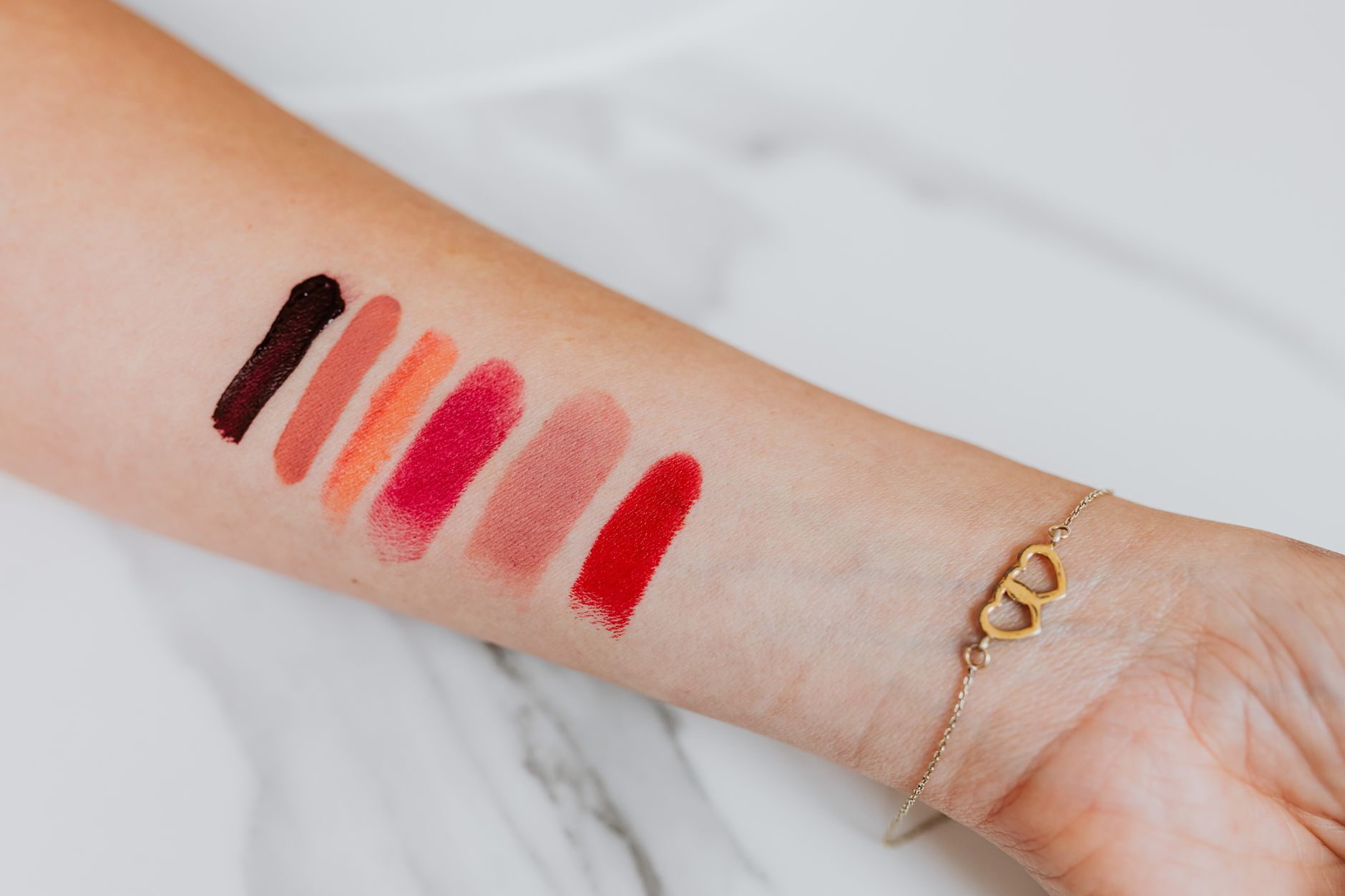
Understanding your skin tone is essential for selecting the right makeup, skincare products, and even hair colors that enhance your natural beauty. Whether you’re nurturing your skin or perfecting your makeup routine, the right match can make all the difference. Let’s discover how to determine your skin tone, along with its undertones and shades.
In this article, we’ll discuss various methods to identify your skin tone, delve into the significance of undertones, and provide some simple tests you can perform at home to find your perfect match. Ready to embrace your skin’s unique identity?
What Is My Skin Tone?
Your skin tone refers to the natural color of your skin, and it can influence your choices in makeup and skincare products. Skin tones typically fall into a few broad categories: fair, light, medium, tan, and deep. While skin tone is that top-layer color, undertones are the subtle hues that exist just beneath the surface. Understanding both is key to achieving a harmonious look.
Why Knowing Your Skin Tone Matters
Identifying your skin tone can help you:
- Select foundation shades that match your complexion.
- Choose the right blush, lipstick, and eyeshadow colors.
- Determine which hair colors will complement your skin.
- Support your skincare routine by picking the right ingredients for your skin type.
Understanding Undertones
While skin tone refers to the color of your skin, undertones give it depth. Undertones are often classified into three main categories:
- Cool Undertones: These have hints of blue, pink, or purple. If silver jewelry tends to flatter you more than gold, you might have a cool undertone.
- Warm Undertones: Warm tones have a golden, peachy, or yellow hue. If you find that gold jewelry looks better on you, you likely have warm undertones.
- Neutral Undertones: A mix of both warm and cool undertones, neutral skin can wear both gold and silver jewelry beautifully.
Simple Tests to Determine Your Skin Tone
Finding your skin tone and undertone can be done with a few easy tests. Here are some reliable methods:
The Vein Test
Check the veins on your forearm under natural light. If they appear blue or purple, you likely have cool undertones. If they look green or olive, you probably have warm undertones. If you struggle to tell, you might be neutral.
The Jewelry Test
Gather some gold and silver jewelry and hold them close to your face. Notice which metal enhances your complexion best. If silver brightens your skin tone, you might have cool undertones. If gold makes your skin glow, you likely have warm undertones. If both look good, you may have neutral undertones.
The White Paper Test
Hold a piece of white paper up to your face in natural light. If your skin looks more yellow against the paper, you might have warm tones. If your skin appears pink or rosy, you likely have cool tones. If you see both colors in your skin, you may have neutral undertones.
The Sun Test
Pay attention to how your skin reacts to sun exposure. If you tend to burn easily and turn red, you may have cool undertones. If you tan easily and develop a golden glow, you likely have warm undertones.
Identifying Different Skin Shades
Beyond undertones, it’s crucial to know your primary skin shade. Skin shades can generally be categorized as follows:
- Fair: Often associated with pale skin that burns easily and may have pink or peach undertones.
- Light: A bit darker than fair, typically with a variety of undertones.
- Medium: Produces an olive or tan hue that may contain both warm and cool undertones.
- Tan: Characterized by a golden tan shade that easily bronzes in the sun.
- Deep: Darker skin tones that may be from a rich brown to a deep ebony, often with cool or warm undertones.
Selecting Suitable Products
Knowing your skin tone and undertones is vital for selecting suitable beauty products, especially foundation. Here’s how to make your selections:
Foundation Selection
When choosing foundation, it’s essential to select one that complements both your skin tone and undertone. Here’s a simple guide:
- Fair Skin: Look for shades labeled porcelain, ivory, or light beige with cool or warm undertones.
- Light Skin: Shades like light beige or soft peach can work well, depending on your undertones.
- Medium Skin: Consider neutral shades, as this often accommodates various undertones.
- Tan Skin: Go for golden or honey-based shades.
- Deep Skin: Deep chocolate or espresso shades will suit your skin tone, making sure to consider warm or cool undertones.
Makeup Selection
Similar to foundations, your choice of blush, lipstick, and eyeshadow should align with your skin tone:
- For cool undertones: Opt for pinks, berries, and cool-toned eyeshadows.
- For warm undertones: Choose corals, peaches, and warm metallic shades.
- For neutral undertones: You have the flexibility to wear both cool and warm shades!
Skincare Product Selection
Your skin tone and undertones also matter when selecting skincare products. For instance:
- If you have fair skin, look for gentle formulas to avoid irritation.
- For medium to tan skin, consider products that offer hydration and balance.
- Deep skin tones may benefit from richer creams to combat dryness.
Building a Realistic Routine
Understanding your skin tone and undertones is only part of the equation. Developing a skincare routine that suits your skin type—including considerations for dryness, oiliness, and sensitivity—is essential. Here’s a basic routine template:
Morning Routine
- Cleansing: Use a gentle cleanser compatible with your skin type.
- Toning: Apply toner to restore pH balance, particularly if your skin is oily or sensitive.
- Moisturizing: Select a moisturizer that hydrates your skin effectively.
- Sun Protection: Always apply sunscreen, regardless of your skin tone. Look for broad-spectrum SPF 30 or higher.
Evening Routine
- Cleansing: Remove makeup thoroughly with an appropriate cleanser.
- Toning: Apply your toner to prepare for the next steps.
- Treatment: Introduce serums or treatments that address specific skin concerns like dark spots or dryness.
- Moisturizing: Apply a night cream that caters to your skin’s needs.
Common Mistakes and Troubleshooting
Choose wisely while selecting products to avoid common pitfalls. Here are some frequent mistakes people make when determining their skin tone:
- Buying a foundation shade based only on visibility in-store lighting.
- Ignoring the seasonal changes that may affect skin tone (tanning in summer, paler in winter).
- Relying solely on one method of determining undertones rather than combining several tests.
If you find that a product irritates your skin, consider stopping its use promptly. Always patch test new products, particularly if dealing with sensitive skin concerns.
Realistic Expectations
Finally, remember that finding your perfect match requires some experimentation. No one is born an expert at choosing shades, and beauty is about expressing your individuality. Allow yourself time to discover which shades work best for you.
Finding your skin tone is a thoughtful process that can dramatically enhance your beauty routine. By understanding your unique tone and how to select products that align with it, you’ll be one step closer to your beauty goals.
Next, ensure you explore related beauty guides to refine your knowledge even further, such as what semi-permanent hair color is and how to choose the right toner for your skin.
For more beauty tips, don’t forget to check out what is semi-permanent hair color and what is toner for skin.