
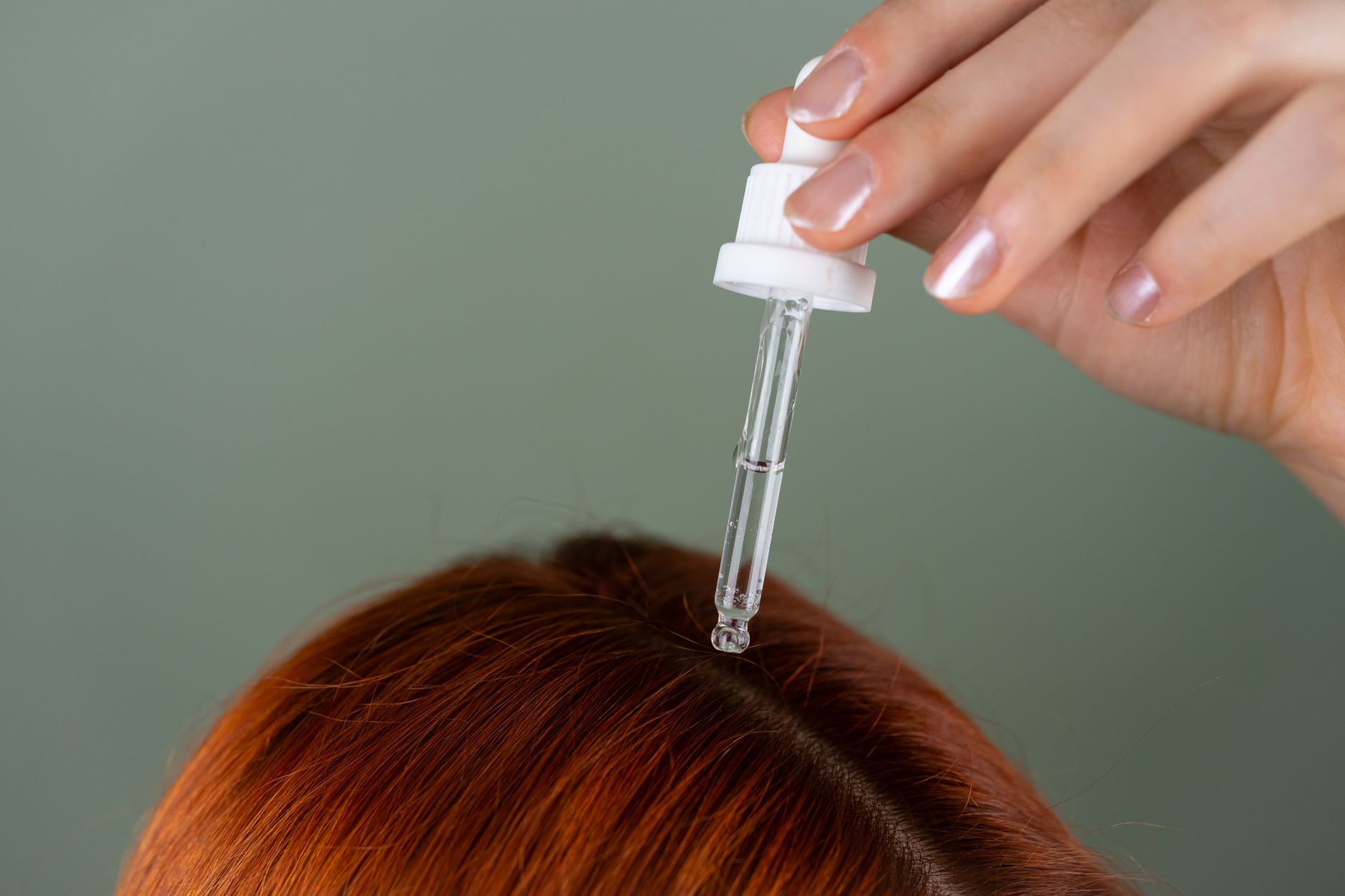
The pursuit of healthy hair is an enduring journey for many, and understanding the role of Dihydrotestosterone (DHT) is a crucial step in that process. DHT is a hormone linked to hair loss, particularly in both men and women. While it can contribute to hair thinning, there are ways to block its effects. This article explores effective methods to block DHT, the associated risks, and practical tips for incorporating these strategies into your haircare routine.
From natural remedies to lifestyle changes, we’ll cover how to effectively manage DHT levels within your body and promote healthier hair growth. Prepare to uncover actionable insights that can lead you toward fuller, thicker hair.
How to Block DHT?
To block DHT effectively, individuals can use a combination of natural remedies, dietary adjustments, and topical treatments. Methods include using haircare products with DHT-blocking ingredients, maintaining a balanced diet rich in certain nutrients, and possibly considering supplements known for their hair health benefits.
Understanding DHT: The Basics
DHT is a derivative of testosterone and plays a significant role in the development of male characteristics. However, in individuals predisposed to hair loss, DHT can bind to hair follicles, leading to miniaturization and eventual hair loss. This process is particularly common in androgenetic alopecia, affecting millions worldwide.
Methods to Block DHT
1. Haircare Products
Incorporating haircare products that contain DHT-blocking ingredients can be an effective strategy. Look for the following ingredients when selecting shampoos, conditioners, or treatments:
- Ketoconazole: An antifungal agent known to reduce DHT levels in the scalp.
- Biotin: Promotes healthy hair growth and may strengthen hair follicles.
- Saw Palmetto: A natural extract that can inhibit the conversion of testosterone to DHT.
- Pumpkin Seed Oil: Rich in nutrients that support overall scalp health and can block DHT.
2. Dietary Adjustments
What you consume plays a vital role in hormone regulation and overall hair health. Consider these dietary changes:
- Increase Omega-3 Fatty Acids: Found in fish, flaxseeds, and walnuts, these can help nourish hair follicles.
- Fruits and Vegetables: A variety rich in antioxidants, like berries and leafy greens, can combat oxidative stress.
- Zinc and Selenium: Foods like nuts, seeds, and whole grains can strengthen hair and inhibit DHT production.
- Green Tea: Contains catechins that may inhibit DHT production.
3. Supplements
While a balanced diet is essential, supplements can provide additional support. Some popular options include:
- Saw Palmetto Supplements: Often used for prostate health, it may also help with hair retention.
- Vitamins B6 and B12: Vital for overall hair health and can help regulate hormone levels.
- Biotin: This vitamin supports hair growth and changes the structure of keratin, the primary protein in hair.
- Stinging Nettle: Often included in formulations aimed at blocking DHT.
4. Lifestyle Changes
Adopting a healthier lifestyle can also play a key role in managing DHT levels. Here are some tips:
- Regular Exercise: Helps balance hormone levels and can improve blood flow to the scalp.
- Avoid Stress: Stress can trigger hormonal imbalances and potentially increase DHT levels. Consider stress-management techniques such as meditation, yoga, or deep breathing exercises.
- Good Sleep Hygiene: Quality sleep helps with hormone regulation, including those responsible for hair health.
Topical Treatments
Besides using haircare products, topical treatments can also significantly affect DHT levels, including:
- Minoxidil: A topical solution that promotes blood flow to hair follicles and can prolong the hair growth phase.
- Essential Oils: Certain oils like rosemary oil may support hair growth. Dilute and apply them to the scalp regularly.
Risks of DHT Blockers
While many DHT-blocking methods are considered safe, there can be potential side effects or risks. Here are some factors to keep in mind:
- Hormonal Changes: Some DHT-blocking supplements may influence hormone levels, leading to side effects like mood changes or alterations in libido.
- Allergic Reactions: Certain natural ingredients may cause irritation or allergic reactions in some individuals. Always conduct a patch test when trying new products or supplements.
- Interaction with Medications: If you are taking other medications, consult with a healthcare provider before starting any new supplements to avoid adverse interactions.
Signs of Irritation and Common Mistakes
When incorporating new products or methods to block DHT, it’s crucial to monitor your scalp’s and hair’s responses. Watch for the following signs:
- Increased redness or irritation on the scalp.
- Unusual itching or flaking.
- Changes in hair texture or excessive hair shedding.
Common mistakes can hinder results and lead to frustration. Avoid these pitfalls:
- Overusing products in hopes of faster results can lead to buildup and irritation.
- Neglecting to follow a consistent routine over time; effective results generally require regular use.
- Ignoring the importance of a balanced diet; cutting out essential nutrients can adversely affect hair health.
Realistic Expectations
While there are many methods to block DHT, it’s important to maintain realistic expectations. The results may vary based on individual factors like genetics, age, and overall health. Here’s a timeline of what you might expect:
- Initial Results: Many users may notice some initial improvements in hair texture or fullness within 8 to 12 weeks.
- Long-Term Improvements: Significant results, such as reduced hair loss or regrowth, often take between three to six months.
- Continuous Maintenance: Ongoing efforts are required to maintain results and prevent hair loss long-term.
Product Selection Tips
Choosing the right products to block DHT can seem overwhelming. Here are some practical selection criteria:
- Ingredient Transparency: Look for products with clear labeling of their active ingredients and avoid gimmicky marketing claims.
- Research the Brand: Opt for reputable brands with positive customer reviews and a solid track record.
- Consider Your Hair Type: Tailor products to suit your specific hair type and texture for the best results.
Simple Routine to Follow
To effectively incorporate DHT-blocking strategies into your haircare routine, consider this simplified daily regimen:
- Morning:
- Start with a gentle shampoo containing DHT-blocking ingredients.
- Follow up with a nourishing conditioner.
- Apply a leave-in treatment if desired for added protection.
- Evening:
- Use a topical treatment containing minoxidil or other DHT blockers on your scalp, as directed.
- Consider applying essential oils to promote scalp health.
Final Thoughts
Blocking DHT is a multi-faceted approach that combines the right haircare products, dietary adjustments, lifestyle changes, and possibly some supplementation. While the journey to healthier hair may take some time, aligning your efforts with realistic expectations and consistent care can enhance your hair vitality significantly.
As you explore different methods of blocking DHT, always remember to listen to your body and scalp. Consult with a healthcare professional if you have concerns about hair loss or if you’re unsure which methods or products would be best suited for you.
For further reading on related topics, check out our guides on what DHT blockers are and whether pumpkin seed oil helps with hair loss. Discover a wealth of information to support your haircare journey.