
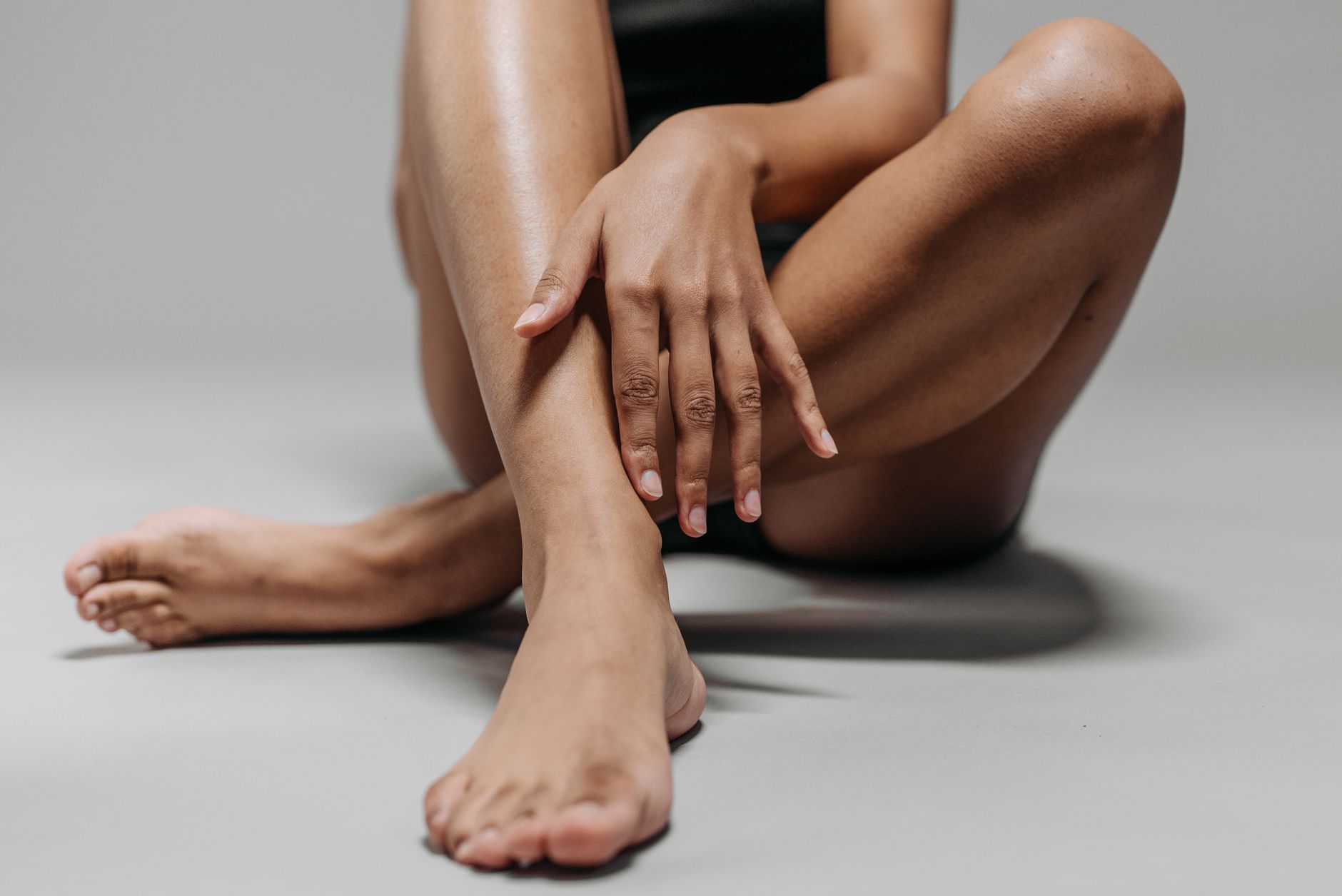
Strawberry legs refer to the appearance of dark spots and dots on the skin of the legs, typically resembling the seeds on a strawberry. This condition can affect anyone, but it is more noticeable on those with lighter skin tones. While it may not be harmful, many individuals find it aesthetically displeasing. Understanding what causes strawberry legs and how to treat them can enhance your overall leg appearance and confidence.
In this article, we’ll explore the definition of strawberry legs, their causes, signs, and effective treatment tips. Whether you are looking to achieve smoother legs or simply want to learn more about this common skincare issue, continue reading to discover practical solutions.
What Are Strawberry Legs?
Strawberry legs occur when hair follicles become clogged with oil, dead skin cells, and debris, leading to dark spots that resemble strawberry seeds. These tiny black or dark brown dots are often more pronounced after shaving, waxing, or other hair removal methods. While the term is colloquial and does not signify any serious medical condition, many people seek ways to address the issue for aesthetic reasons.
Causes of Strawberry Legs
Understanding the underlying causes of strawberry legs can help demystify the condition and make addressing it easier. Here are some primary factors leading to this common skincare concern:
- Hair Removal Methods: Shaving, waxing, and other hair removal techniques can irritate the skin, particularly if not done correctly. Improper techniques may lead to ingrown hairs, which contribute to the darker appearance around hair follicles.
- Dry Skin: Lack of moisture can cause dead skin cells to build up, leading to clogged pores. This is more common in people with dry skin types.
- Hormonal Changes: Hormonal fluctuations, such as those occurring during puberty, pregnancy, or certain medical conditions, can affect hair growth and skin texture, potentially worsening the appearance of strawberry legs.
- Folliculitis: Inflammation of hair follicles, known as folliculitis, can occur after hair removal and contribute to the dark spots. Bacteria or fungi can also exacerbate this condition.
- Skin Conditions: Conditions such as keratosis pilaris, which is characterized by tiny bumps on the skin, can also contribute to the appearance of strawberry legs.
- Environmental Factors: Exposure to harsh weather, pollution, and irritants can lead to skin damage and dryness, thereby worsening the appearance of strawberry legs.
Signs of Strawberry Legs
Identifying strawberry legs is relatively straightforward. Here are some common signs to look for:
- Dark Spots: The most prominent sign is the presence of small dark spots on the skin, primarily around hair follicles, giving a dotted appearance.
- Irritation: You might notice redness or inflammation, especially in areas where hair removal has occurred.
- Bumps: Raised bumps may appear as a result of ingrown hairs or inflammation.
- Dryness: The skin may feel rough or dry to the touch, contributing to the overall appearance of uneven texture.
Who Is Affected by Strawberry Legs?
While anyone can develop strawberry legs, certain factors can increase the likelihood:
- Skin Type: Those with dry or sensitive skin may be more predisposed due to the lack of moisture and the potential for irritation.
- Hair Type: People with coarse or thick hair may experience more pronounced strawberry legs as their hair is more likely to become ingrown.
- Hair Removal Practices: Frequent shaving or waxing without proper technique can lead to increased irritation and the subsequent development of strawberry legs.
Treatment Tips for Strawberry Legs
Addressing strawberry legs primarily focuses on proper care and maintenance of the skin. Here is a detailed outline of effective treatment strategies to improve the appearance of your legs:
1. Exfoliation
Regular exfoliation can help remove dead skin cells that clog hair follicles. Consider the following:
- Physical Exfoliating Tools: Use a gentle scrub or a loofah to slough off dead skin. Focus on areas prone to dark spots, but avoid being too harsh to prevent irritation.
- Chemical Exfoliants: Products containing alpha hydroxy acids (AHAs) or beta hydroxy acids (BHAs) can help chemically exfoliate the skin without abrasive scrubbing. Look for lotions or scrubs that contain glycolic or salicylic acid.
2. Moisturizing
Keeping the skin hydrated is crucial for preventing dryness and irritation. Here are some suggestions:
- Choose the Right Moisturizer: Select a body lotion rich in emollients like glycerin, shea butter, or hyaluronic acid. This will help lock in moisture and keep your legs looking smooth.
- Moisturize After Hair Removal: Always apply moisturizer after shaving or waxing to soothe the skin and prevent irritation.
3. Proper Hair Removal Techniques
Adopting effective hair removal methods can significantly reduce the appearance of strawberry legs:
- Shaving: Use a clean, sharp razor, and consider using shaving cream or gel to minimize irritation. Shave in the direction of hair growth and avoid going over the same area multiple times.
- Waxing: If waxing, ensure the area is exfoliated beforehand. Always choose a reputable salon or use high-quality at-home kits focusing on sensitivity.
- Laser Hair Removal: Consider an option like laser hair removal for a longer-term solution. Consult with a qualified technician to explore suitability and potential risks.
4. Soothe Inflammation
Reducing inflammation can help improve the appearance of dark spots quickly. Consider the following:
- Use Soothing Ingredients: Look for lotions or creams that include aloe vera, chamomile, or calendula to calm irritated skin.
- Cold Compress: After shaving or waxing, you can apply a cold compress to alleviate irritation and redness.
5. Targeted Treatments
If you are looking for more targeted approaches, consider these treatments:
- Topical Retinoids: Products containing retinoids can help with skin texture by increasing cell turnover. Begin with a gentler formula to avoid irritation.
- Hydroquinone Creams: Hydroquinone is often used for skin lightening. Consult with a professional before use to ensure it’s appropriate for your skin type.
6. Lifestyle Adjustments
Some lifestyle changes can further improve the condition of strawberry legs:
- Stay Hydrated: Drinking enough water is essential for maintaining healthy skin. Aim for at least eight glasses of water a day.
- Healthy Diet: Include foods rich in vitamins A, C, and E, which support skin health. Fruits, vegetables, nuts, and seeds are excellent choices.
- Avoid Irritating Products: Be mindful of soaps, lotions, or other products that contain harsh chemicals. Opt for fragrance-free options to minimize irritation.
Common Mistakes to Avoid
While addressing strawberry legs, it’s essential to recognize common pitfalls that can exacerbate the issue:
- Skipping Exfoliation: Neglecting to exfoliate regularly can lead to a buildup of dead skin and worsen the appearance of dark spots.
- Over-Exfoliating: While exfoliation is crucial, overdoing it can cause irritation and exacerbate the problem.
- Inconsistent Moisturizing: Failing to moisturize after hair removal or neglecting regular hydration can lead to dryness and increased visibility of dark spots.
- Using Dull Razors: Shaving with a dull razor can lead to more irritation, increasing the risk of bumps and dark spots.
When to See a Professional
While strawberry legs are generally a cosmetic issue, certain symptoms may warrant professional consultation:
- If you experience severe irritation, pain, or swelling in the affected area.
- If the dark spots worsen or change in appearance.
- If you suspect an infection, such as increased redness, warmth, or pus.
- If at-home treatments don’t yield improvement over a few weeks.
Realistic Expectations
It’s crucial to set realistic expectations when it comes to treating strawberry legs. While you may see improvements with regular care, it may take time to achieve your desired results. Consistency is key, so maintain a routine that works for you. Not every product will work the same way for everyone, as skin types and conditions differ. Patience and persistence will often yield the best outcomes.
Conclusion
Strawberry legs, while not a medical condition, can be bothersome and affect one’s confidence regarding skin appearance. Knowing the causes and implementing a targeted care regimen can help alleviate this concern over time. Start with consistent exfoliation and moisturizing practices, choose suitable hair removal techniques, and consider incorporating targeted treatments for the best results.
If you’re looking to go beyond just skin care, consider exploring information on managing other leg concerns such as how to get rid of cellulite on legs or how to get rid of razor bumps on the pubic area overnight. Understanding your skin is the first step to achieving its best potential.