
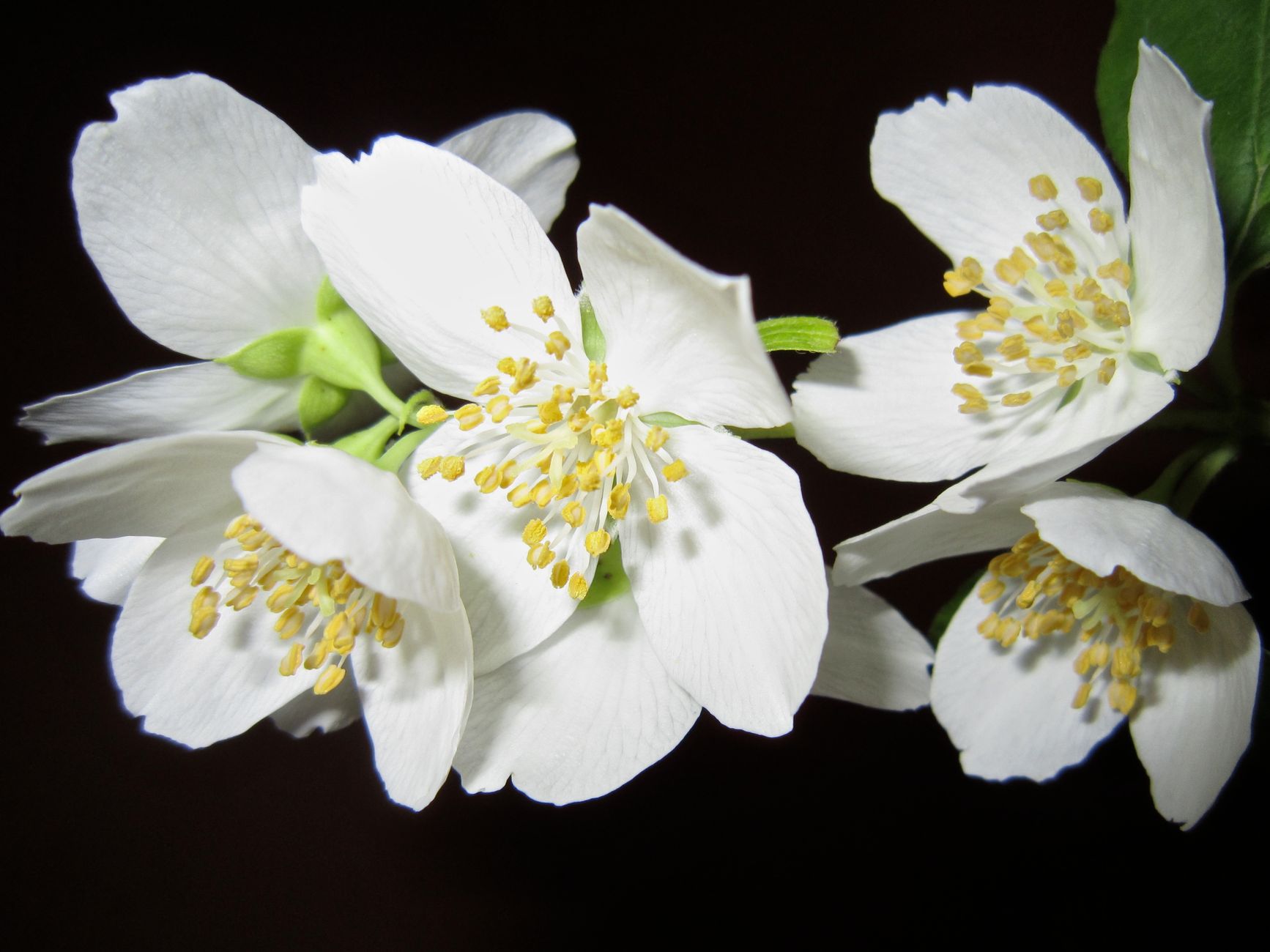
Jasmine is a beloved floral scent, often associated with beauty and romance. Known for its sweet and heady aroma, jasmine can evoke a sense of calm and relaxation. But what does jasmine actually smell like? This article dives deep into the characteristics of jasmine, the notes that compose its fragrance, and how it plays a role in perfume and beauty products.
Whether you’re a fragrance novice or a seasoned connoisseur, understanding jasmine can enhance your appreciation of perfumes and help you choose fragrances that resonate with your personal style. Let’s explore the world of jasmine scent, its sensory profile, and tips for using jasmine-based products.
What Does Jasmine Smell Like?
Jasmine has a unique, rich, and sweet scent that is usually described as floral and slightly fruity. The aroma is complex, with nuances that can evoke different feelings and settings. Jasmine’s scent has been known to be both euphoric and soothing, making it a popular choice in many perfumes.
Often categorized as a warm and sensual fragrance, jasmine features sweet undertones and can sometimes be perceived as creamy or even honey-like. The scent has varying intensities, depending on the specific type of jasmine used, yielding a fragrance that can be both delicate and bold.
Understanding Jasmine Notes
The fragrance of jasmine is built from several components, which can vary depending on the type of jasmine and how it is harvested. Here are the primary scent notes associated with jasmine:
- Top Notes: These are the initial scents people experience. With jasmine, the top notes may include hints of freshness or greenness, which provide a lift before the heart notes unfold.
- Heart Notes: Jasmine is predominantly a heart note, meaning that it forms the core of the fragrance. This floral note embodies the sweetness and warmth that jasmine is known for, often having characteristics that marry well with other floral components.
- Base Notes: While jasmine may not have strong base notes on its own, it can sometimes contribute to a creamy sweetness or a mild balsamic quality, especially when blended with other deeper notes like sandalwood or musk.
Diving Deeper: Types of Jasmine
Not all jasmines are created equal. There are several types used in perfumery, each lending a unique quality to the fragrance profile. Here are the most notable types:
- Jasminum grandiflorum: Often referred to as Spanish jasmine, this variety is celebrated for its sweet scent and is commonly used in perfumes.
- Jasminum sambac: This is also known as Arabian jasmine. It has a deeper, more complex scent, often described as rich and intoxicating, and is prevalent in Eastern fragrances.
- Jasminum officinale: Known as common jasmine, it offers a lighter floral note and adds a fresh aspect to blends.
How Jasmine is Used in Perfumes
Jasmine holds a prominent place in modern perfumery. It’s often a key ingredient in several fragrance families, including floral, oriental, and even woody profiles. Its versatility makes it suitable for creating both daytime and evening scents.
These are the types of fragrances where jasmine plays a significant role:
- Floral Fragrances: Jasmine is often combined with other florals such as rose and lily to create a rich bouquet. The sweetness of jasmine enhances the overall femininity of the scent.
- Oriental Fragrances: In these compositions, jasmine may be paired with exotic notes like amber, spices, and vanilla, creating a warm and sensual experience.
- Woody Fragrances: Jasmine can add a soft floral touch to woody bases like cedar and sandalwood, rounding out the rougher edges with its smooth scent.
Choosing Jasmine-Based Products
Jasmine is used in various beauty and personal care products, including perfumes, lotions, and candles. When selecting jasmine-based products, consider the following:
- Fragrance Concentration: Perfumes come in various concentrations, from eau de cologne to pure parfum. Consider how intense you want the jasmine experience to be.
- Complementary Notes: Look for products that mix well with jasmine. Notes like bergamot, sandalwood, and vanilla can enhance its floral character.
- Product Quality: Look for products that use natural jasmine extraction, such as absolute or essential oil, for a purer scent experience.
DIY Jasmine Fragrance Blending
If you are inspired to create your own floral blend featuring jasmine, here’s a simple guide to blending your own fragrance:
Tools Needed
- Essential oils: jasmine, bergamot, sandalwood
- Base oil: jojoba or sweet almond oil
- Glass dropper bottles
- Measuring pipettes
Basic Jasmine Blend Recipe
- In a glass bottle, add 10 drops of jasmine essential oil.
- Add 5 drops of bergamot essential oil for a light, citrusy top note.
- Add 2 drops of sandalwood essential oil for a warm base note.
- Fill the rest of the bottle with your chosen base oil.
- Close the bottle and allow the blend to mature for a week before use.
Always conduct a patch test before applying any new blend to the skin.
Common Mistakes When Using Jasmine Products
To fully enjoy the benefits of jasmine fragrances, avoid these common pitfalls:
- Over-application: Jasmine is potent. Using too much can be overwhelming rather than captivating. Start with a small amount and build up as needed.
- Layering Conflicting Scents: When layering scents, ensure they complement rather than clash. For instance, a light citrus could pair well with jasmine, while heavy spices might not.
- Choosing the Wrong Concentration: If you’re looking for a subtle scent, opt for lighter formulations such as body mists or floral lotions over concentrated perfumes.
Benefits of Jasmine in Beauty Products
Beyond its captivating scent, jasmine offers several benefits when incorporated into beauty products:
- Soothing Properties: Jasmine essential oil is known for its calming effects, making it a good choice for evening or relaxation routines.
- Moisturization: Jasmine is often found in lotions and creams that help hydrate the skin, thanks to its natural emollient properties.
- Enhancing Mood: The aroma of jasmine has been associated with reducing stress levels and promoting overall well-being.
Summary of Jasmine’s Aroma
To encapsulate, jasmine is a multifaceted floral scent known for its sweet, warm, and intoxicating aroma. It’s not merely a fragrance but an experience, often associated with feelings of serenity and comfort. With its rich variety of types and versatile uses in perfumes and beauty products, jasmine remains a timeless favorite in the world of scents.
Whether you enjoy it in a luxurious perfume or an affordable lotion, jasmine can enhance your beauty regimen and elevate your overall mood. Embrace the floral delight of jasmine and let it infuse your beauty routine with its enchanting qualities.
If you’re interested in creating your own fragrances, you might find helpful information in this guide on how to make perfume. Exploring other captivating scents like oud can also expand your fragrance knowledge; read more about it here.