
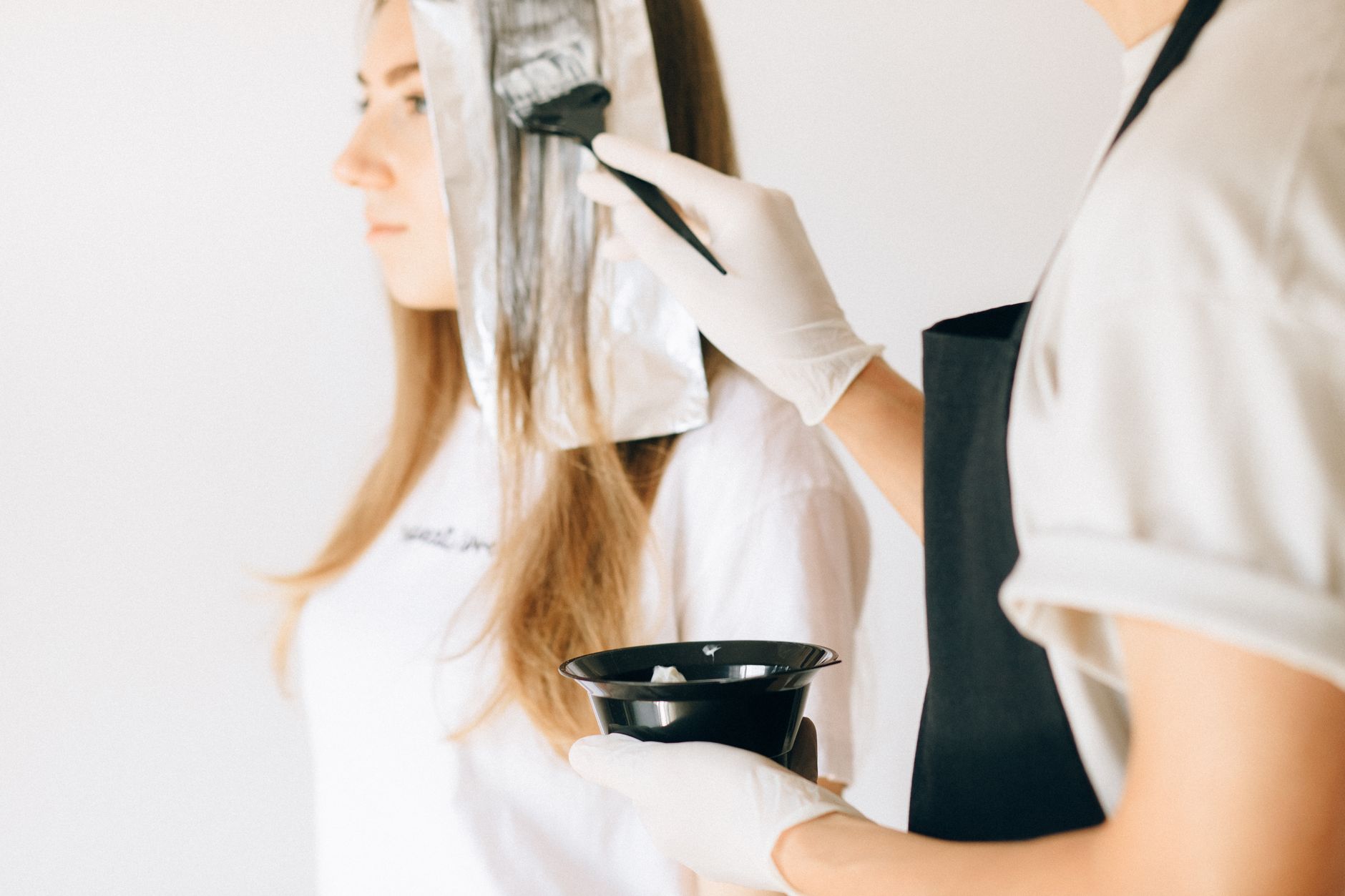
Hair coloring can often feel overwhelming, especially with the variety of techniques available. One popular technique that can add depth and dimension to hair is lowlights. This article will break down what lowlights in hair are, how they differ from highlights, and provide color ideas and upkeep tips to maintain beautiful lowlights.
Lowlights are essentially the opposite of highlights; they add darker tones to your hair to create contrast and richness. This technique is perfect for those looking to add depth without drastic changes, offering a sophisticated look to any hair color.
What Are Lowlights in Hair?
Lowlights are a coloring technique where darker shades are added to the hair, creating depth and dimension. Unlike highlights, which lighten parts of your hair, lowlights are applied to give the appearance of natural shadows, helping to enhance your overall hair color. This technique is particularly effective for adding texture and movement to the hair, making it look fuller and healthier.
How Do Lowlights Differ from Highlights?
The primary difference between lowlights and highlights is the resulting effect they have on your hair color. Highlights lighten sections of your hair, giving it brightness and dimension, while lowlights involve adding darker shades.
- Highlights: Brighten specific hair sections for a sun-kissed look.
- Lowlights: Darken areas to create depth and an illusion of fuller hair.
Both techniques can be used together for a multi-dimensional look; this is often referred to as a “balayage” or “ombre.” By incorporating lowlights into your hair coloring routine, you can achieve a natural and textured finish that enhances your hairstyle.
Color Ideas for Lowlights
When considering lowlights, choosing the right colors that complement your base shade is essential. Here are some popular color ideas based on different hair colors:
Lowlights for Blonde Hair
- Caramel Lowlights: This warm tone adds richness and depth, perfect for highlighting blonde hair.
- Chocolate Brown Lowlights: A deep brown can create a striking contrast against lighter blonde shades.
- Ash Brown Lowlights: Cool-toned lowlights can provide a soothing balance to warm blonde shades.
Lowlights for Brown Hair
- Dark Chestnut Lowlights: Add warmth and gloss to medium to dark brown hair.
- Caramel or Honey Lowlights: Brings a beautiful lightness and glow, integrating seamlessly with brown hair.
- Espresso Lowlights: For darker brown bases, this shade can offer a rich layer of dimension.
Lowlights for Red Hair
- Auburn Lowlights: Deepens red tones while maintaining a vibrant appearance.
- Dark Scarlett Lowlights: Enhances the overall richness of red hair.
- Dark Copper Lowlights: Infuses warmth and glow, creating a fiery yet balanced look.
Lowlights for Gray or Silver Hair
- Light Ash Lowlights: Complements silver tones, providing depth without overwhelming brightness.
- Soft Charcoal Lowlights: Offers an elegant touch that can modernize a gray look.
The Process of Adding Lowlights
Addings lowlights can be done at home or in a salon. Here’s a general guide on how the lowlight process typically works:
- Consultation: Discuss your desired look with your colorist, including specific shades you want to incorporate.
- Preparation: Your hair will be prepared by ensuring it is clean and dry.
- Sectioning: Your stylist will divide your hair into sections to ensure an even application.
- Application: A mixture of dye is applied to selected strands or sections of hair. The color can be blended in with your current color for a seamless transition.
- Processing Time: The dye will typically need to sit for about 20-40 minutes, depending on the desired shade.
- Rinse and Style: Eventually, the hair is rinsed and styled to reveal your stunning new look.
Upkeep Tips for Lowlights
Maintaining lowlights takes care and attention. Here are some tips to help you keep your lowlights looking vibrant and fresh:
1. Use Color-Safe Products
Opt for shampoos and conditioners specifically designed for color-treated hair. These products help to protect your lowlights and maintain their richness.
2. Limit Washing Frequency
Washing your hair too often can strip color. Limit washing to two to three times a week and use a dry shampoo in between washes to refresh your hair.
3. Avoid Hot Water
When washing your hair, use lukewarm or cool water to help lock in color and prevent fading.
4. Schedule Regular Touch-Ups
5. Protect Hair from Heat
If you frequently use heat styling tools, always apply a heat protectant spray. This will guard against damage that can dull your color.
6. Limit Sun Exposure
UV rays can cause color to fade. When spending extended time outdoors, wear a hat or use hair products with UV protection.
7. Use Glossing Treatments
Incorporate a moisturizing hair gloss or treatment into your routine to revive color and keep your hair shiny and healthy.
Common Mistakes with Lowlights
While adding lowlights can enhance your hair color, there are common mistakes to avoid:
- Too Many Lowlights: Overdoing lowlights can make hair look dull and heavy. Less is often more!
- Choosing the Wrong Shade: Always select a tone of lowlight that complements your base color for a natural look.
- Inconsistent Application: If lowlights are applied unevenly, it can lead to patchy results. Consider getting professional help for the best outcome.
Can You Apply Lowlights at Home?
Yes, you can apply lowlights at home with the right tools and a bit of research. Here’s what you need:
Essential Tools:
- Color kit with lowlight hair dye.
- Color brush and bowl for application.
- Sectioning clips.
- Gloves to protect your hands.
- Cape or towel to protect your clothes.
Home Application Steps:
- Read Instructions: Always follow the guidelines included with the dye kit.
- Prepare Your Hair: Ensure your hair is clean and dry before starting.
- Section Your Hair: Divide your hair into manageable sections.
- Apply Lowlights: Using the color brush, apply the lowlight color to selected strands.
- Follow Processing Time: Monitor the dye and rinse according to the instructions provided.
- Style as Usual: After rinsing, dry and style your hair normally.
While applying lowlights at home is possible, if you’re unsure or looking for a dramatic change, consider visiting a professional stylist for the best results.
Conclusion
Lowlights can be a beautiful way to add depth and dimension to your hair color, enhancing your overall look while maintaining a natural appearance. By choosing the right shades and following proper upkeep tips, you can enjoy vibrant lowlights that elevate your hairstyle. Whether you opt for a salon visit or a DIY approach, lowlights can provide a fresh, stylish update to your hair color.
If you’re interested, explore more about the fundamentals of lowlights in our guide on what are lowlights or learn how to bring a pop of color to your hair with our how to highlight hair at home tutorial.