
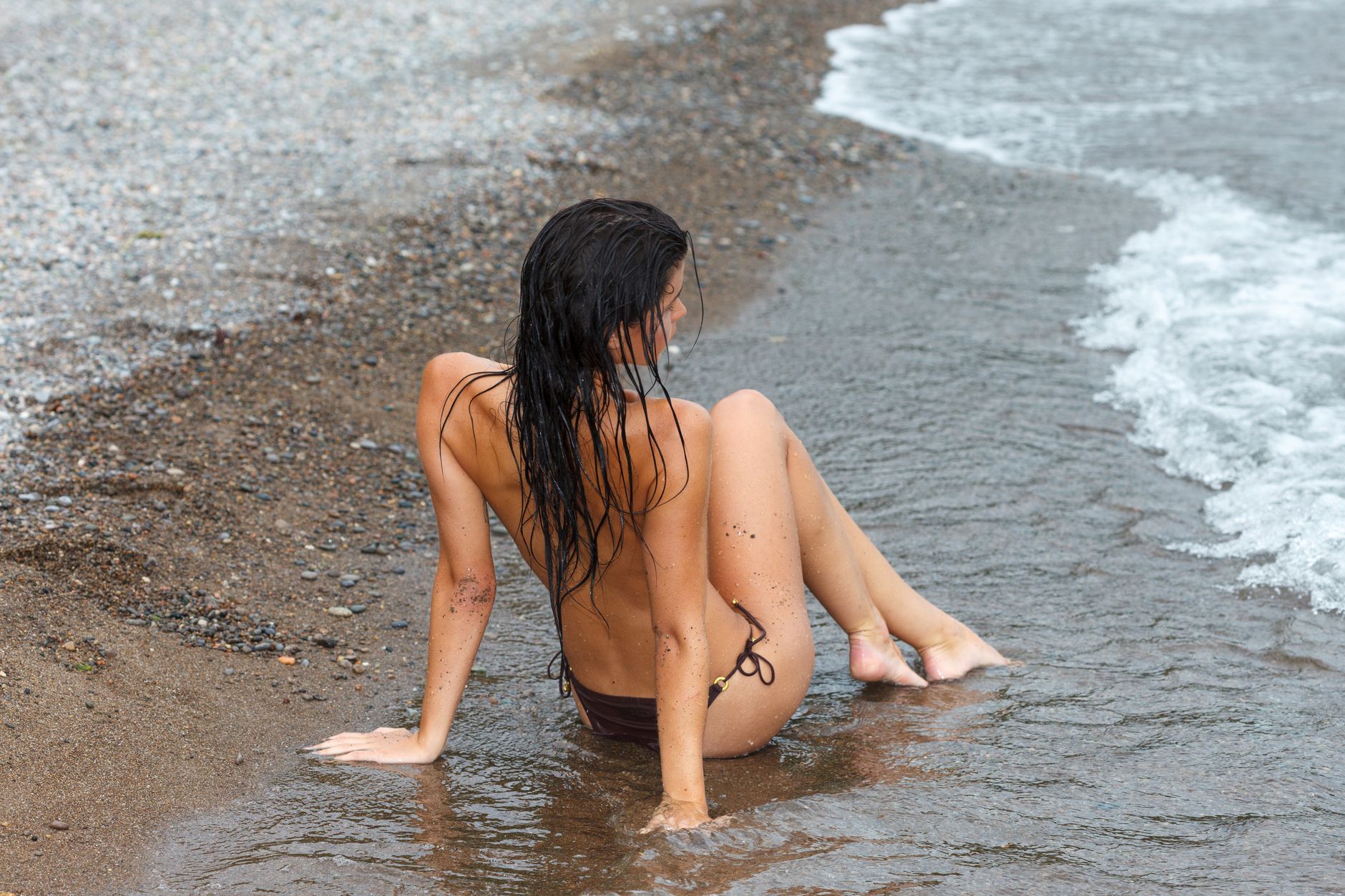
Looking to achieve a sun-kissed glow without turning to tanning beds or self-tanners? Understanding UV radiation, particularly at UV index levels like UV 5, is essential for both beauty and skin health. This guide explores whether you can tan in UV 5 conditions and delves into the associated risks, along with safer alternatives to achieve that coveted bronzed look.
The UV index is a measure of the strength of UV radiation from the sun. A UV index of 5 indicates moderate potential for harm from unprotected sun exposure. If you’re considering tanning in these conditions, knowing the facts is crucial to help you make informed choices.
Can You Tan in UV 5?
Yes, you can tan in UV 5 conditions, but it requires caution. Tanning occurs when UV rays stimulate melanin production in your skin, leading to a darker skin tone. With a UV index of 5, there’s enough UV radiation to cause tanning, but also potentially harmful effects if not properly protected.
Under these conditions, unprotected skin can burn in a relatively short period—around 30 minutes to an hour depending on individual skin types. Thus, being prudent about sun exposure is essential. If you plan to spend time outdoors, consider implementing adequate sun protection measures.
Understanding the UV Index
The UV index measures the potential for skin damage based on the strength of UV radiation. Here’s a brief overview of what various UV index levels mean:
- 0-2: Low exposure risk; minimal sun protection needed.
- 3-5: Moderate exposure risk; sun protection should be used.
- 6-7: High exposure risk; precautions are necessary.
- 8-10: Very high exposure risk; extreme protection is vital.
- 11+: Extreme exposure risk; avoid sun exposure as much as possible.
What Happens to Your Skin in UV 5?
When exposed to UV 5, the following effects can occur:
- Increased melanin production leading to tanning.
- Potential skin damage including sunburn if exposed for too long.
- Long-term exposure risks such as premature aging and skin cancer.
Being aware of these effects can help you strike a balance between achieving a tan and protecting your skin’s health.
The Risks of Tanning in UV 5
Tanning in UV 5 conditions comes with several risks. Here’s what you need to consider:
1. Sunburn
Sunburn is the most immediate concern when tanning in moderate UV conditions. Symptoms include redness, pain, and in severe cases, blistering. Protecting your skin is crucial to avoid this.
2. Skin Aging
UV exposure contributes to premature skin aging, including wrinkles, age spots, and loss of elasticity. Regular tanning, even at moderate levels, compounds these effects over time.
3. Skin Cancer
Excessive UV exposure is a major risk factor for skin cancer. While one session at UV 5 may not lead to immediate harm, cumulative exposure can significantly increase your risk.
4. Heatstroke and Dehydration
Spending prolonged periods in the sun can lead to heat-related illnesses. It’s vital to stay hydrated and take breaks in the shade.
Safer Glow Options
If you want a beautiful glow without putting your skin at risk, consider these alternatives:
1. Self-Tanners
Self-tanners are a popular option for achieving a bronzed look without sun exposure. They use dihydroxyacetone (DHA), a color additive that darkens the skin temporarily. When using self-tanners, follow these steps for the best results:
- Exfoliate your skin beforehand to remove dead skin cells.
- Moisturize dry areas like elbows and knees before application.
- Apply self-tanner evenly, starting from the legs and moving upward.
- Wash your hands thoroughly after application to avoid orange palms.
2. Bronzer Makeup
Makeup bronzers are a quick and safe way to achieve a sun-kissed look without exposure to UV rays. Consider these application tips:
- Choose a bronzer that complements your skin tone.
- Use a fluffy brush to apply bronzer to the high points of your face, like the cheeks, nose, and forehead.
- Blend well to create a natural look.
3. Tanning Oils and Lotions
If you’re determined to tan despite the risks, products like tanning oils and lotions can be used with caution. Opt for options that include SPF to minimize sun damage while promoting tanning. When using these products:
- Read the label to ensure SPF is adequate for your skin type.
- Apply generously and evenly before sun exposure.
- Reapply every two hours or after swimming or sweating.
4. UV-Free Tanning Beds
Some salons offer UV-free tanning options, such as spray tans or airbrush tans. These provide a tan without the harmful effects of UV rays. Here’s what to keep in mind:
- Check for reputable salons that use high-quality products.
- Understand the aftercare instructions to maximize your tan’s longevity.
- Do a patch test if you’re using a new product for the first time.
How to Protect Your Skin If You Tan in UV 5
If you choose to tan despite the potential risks, ensuring proper skin protection is vital. Here are steps to follow:
1. Apply Sunscreen
Wearing sunscreen is crucial even when you want to tan. Look for broad-spectrum products to protect against both UVA and UVB rays. Here’s how to apply:
- Choose a sunscreen with at least SPF 30.
- Apply it generously to all exposed skin 15 minutes before sun exposure.
- Reapply every two hours and after swimming or sweating.
2. Wear Protective Clothing
Wearing hats, sunglasses, and UV-protective clothing helps shield your skin from harmful rays.
3. Limit Your Exposure Time
Even if you’re using sun protection, keep your sun time limited to avoid overexposure. It’s critical to listen to your body; if you feel your skin starting to redden, it’s time to cover up or seek shade.
4. Stay Hydrated
Drink plenty of water before and during your time in the sun. This helps prevent dehydration and keeps your skin looking healthy.
Signs of Skin Damage
Being aware of how to identify signs of skin damage is essential for those who tan. Here are some indicators:
- Redness that develops shortly after sun exposure.
- Itching or discomfort in the tanned area.
- Peeling skin or blisters.
If you notice any signs of significant damage, it’s best to consult a healthcare provider for advice.
Aftercare for Tanned Skin
Taking care of your skin after tanning is just as important as the tanning process itself. Follow these aftercare tips:
1. Moisturize Regularly
Post-tan, your skin may feel dry. Use a good moisturizer to keep your skin hydrated and prevent peeling.
2. Avoid Exfoliation
For a few days after tanning, avoid harsh exfoliation products, like scrubs, which can strip color away. Opt for gentle cleansers instead.
3. Limit Hot Showers
Hot water can dry out your skin, leading to a faster fade of your tan. Consider lukewarm showers instead.
Realistic Expectations for Tanning in UV 5
If you choose to tan in UV 5 conditions, set realistic expectations for your results. Tanning can vary significantly based on your skin type, the duration of exposure, and the products you use.
- Individuals with fair skin may tan or burn more quickly and should take extra caution.
- Darker skin tones tend to tan more easily but should still practice sun safety to avoid damage.
- Individual tanning results may last from days to weeks depending on skin health and care.
Conclusion
While it is possible to tan in UV 5 conditions, the skin risks involved make it essential to weigh your options carefully. Utilizing safer alternatives, like self-tanners and bronzers, can help you achieve that sun-kissed look while prioritizing skin health. Always remember to practice proper sun protection if you decide to tan, and listen to your skin—protect it, hydrate it, and cherish it.
For further reading, check out our guides on how to tan and whether you can tan with sunscreen. These resources can help you better understand safe tanning practices and skincare routines.