
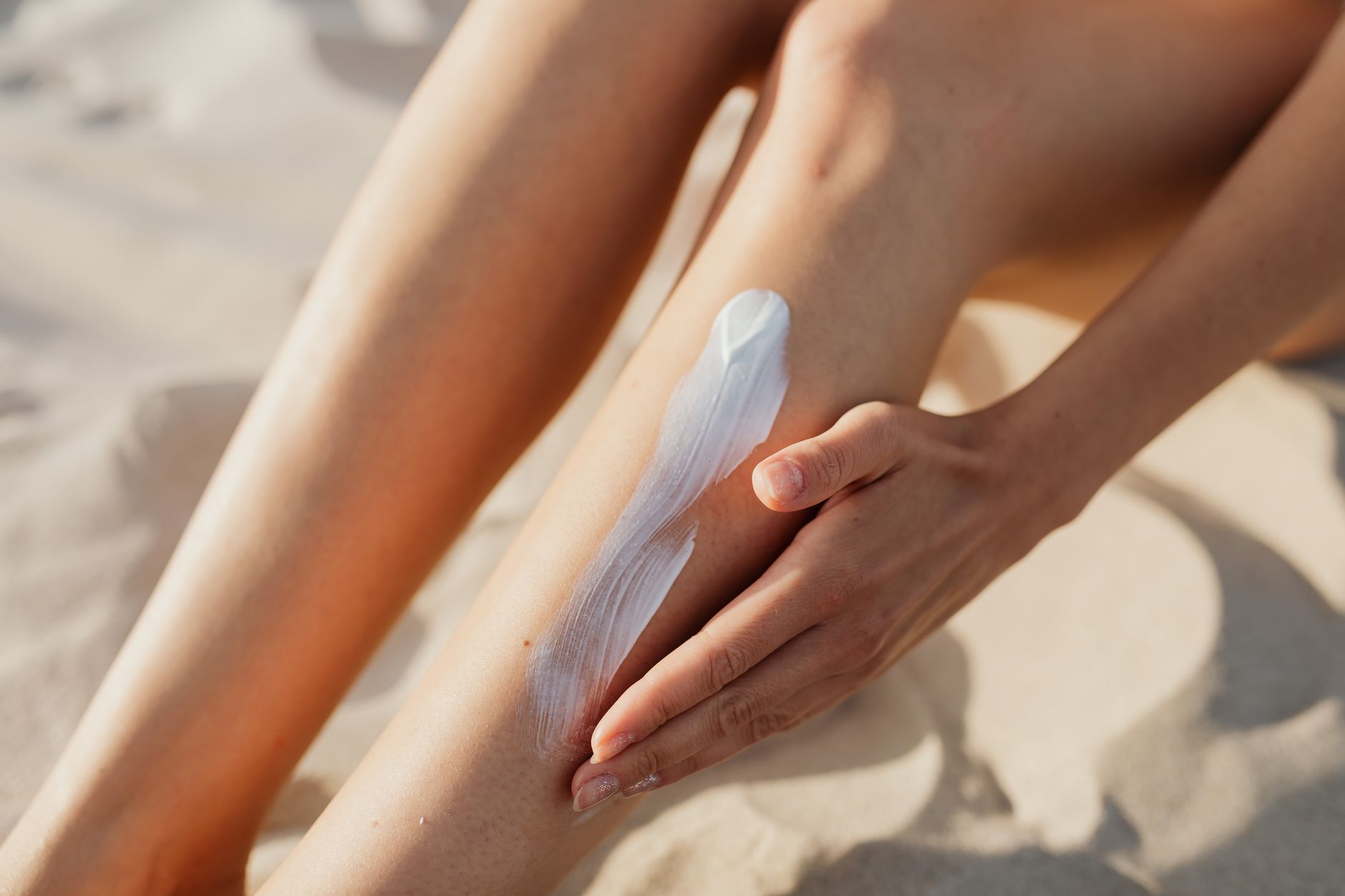
As summer approaches, many people inevitably ponder the age-old question: can you tan with sunscreen? With various options available, determining how to balance a sun-kissed glow with adequate skin protection can be perplexing. This article delves into the mechanics of tanning, the role of sunscreen, and the potential dangers of sun exposure.
Understanding how sunscreen works and its impact on tanning can help you make informed decisions. We’ll explore the types of sunscreen, their effectiveness, and the safest tanning practices, so you can enjoy the sun while keeping your skin safe.
Can You Tan with Sunscreen?
The short answer is yes; you can tan while wearing sunscreen, although the degree of tanning depends on the sunscreen’s SPF and how it’s applied. Sunscreen protects your skin from UV radiation, which can prevent sunburn and reduce the risk of skin cancer. However, it does not completely block UV rays—allowing some level of tanning to occur.
Understanding Tanning and UV Radiation
Tanning is the skin’s natural response to UV radiation exposure. When your skin is exposed to the sun, it produces more melanin—a pigment responsible for giving skin its color—to protect itself from deeper damage caused by UV rays. There are two types of UV radiation to consider:
- UVA Rays: These rays penetrate the skin more deeply and are primarily responsible for premature skin aging and tanning.
- UVB Rays: These rays primarily affect the surface of the skin, causing sunburn and playing a significant role in the development of skin cancer.
Both types of UV radiation can harm your skin; hence, effective sun protection is essential, even if you desire a tan.
The Role of Sunscreen
Sunscreen plays a crucial role in protecting against the harmful effects of UV radiation. Here’s how it functions:
- SPF (Sun Protection Factor): SPF measures how effectively a sunscreen protects the skin from UVB rays. A higher SPF number means more protection. For example, SPF 30 blocks about 97% of UVB rays, while SPF 50 blocks about 98%.
- Broad Spectrum Protection: Sunscreen labeled as “broad spectrum” protects against both UVA and UVB rays, making it a better choice for overall protection.
- Physical vs. Chemical Sunscreen: Physical sunscreens contain mineral ingredients like zinc oxide or titanium dioxide, which create a barrier on the skin to deflect UV rays. Chemical sunscreens absorb UV radiation and convert it into heat, which is then released from the skin.
Most sunscreen formulations are effective when used appropriately. However, using a lower SPF can lead to more tanning, so the choice of SPF is a crucial factor if your goal remains to achieve that sun-kissed look.
How to Tan Safely with Sunscreen
If you want to tan while using sunscreen, focus on safety and moderation. Here’s how to do it:
- Choose the Right SPF: Opt for a broad-spectrum sunscreen with at least SPF 30. This balance protects your skin while still allowing some tanning over time.
- Apply Generously: Most people don’t apply enough sunscreen. Aim for about one ounce (the size of a shot glass) to cover your entire body adequately. Be sure to cover all exposed areas, including ears, neck, and feet.
- Reapply Regularly: Reapply sunscreen every two hours, or immediately after swimming or sweating. This helps maintain effective protection.
- Limit Exposure Time: Start with limited sun exposure—15 to 30 minutes—especially if you have fair skin. Gradually increase your time in the sun while monitoring your skin’s reaction.
- Seek Shade: Try to avoid direct sunlight during peak hours (10 a.m. to 4 p.m.) when UV radiation is at its highest.
Common Mistakes When Tanning with Sunscreen
- Ignoring Expiration Dates: Sunscreens do expire, and using expired products can reduce their effectiveness. Always check the label.
- Using Makeup as a Substitute: Some makeup products contain SPF, but they are often insufficient alone. Always layer a standalone sunscreen for optimal protection.
- Not Applying Enough: Too little sunscreen means you won’t receive the full SPF protection claim. Apply generously!
- Forget to Include Lips and Eyes: While you might protect your skin, don’t forget about your lips and the delicate skin around your eyes. Use lip balms with SPF and UV-protective sunglasses.
Alternative Tanning Options
If your primary concern is achieving a bronzed look without risking skin damage, consider alternative methods:
- Self-Tanners: These products contain dihydroxyacetone (DHA), a colorless sugar that interacts with the proteins in your skin, resulting in a temporary bronzing effect.
- Bronzing Lotions and Sprays: These products provide an instant tan and wash off easily, perfect for a quick touch-up.
- Spray Tans: Many salons offer spray tans that provide an even, all-over tan without the risks associated with sun exposure.
These methods can provide the desired look without exposing your skin to potentially harmful UV radiation.
Understanding Tanning Risks
While a tan may be desirable for some, it’s essential to remain aware of the risks involved:
- Skin Damage: Tanning leads to skin damage at various levels. Even if you avoid sunburn, UV exposure can cause premature aging, pigmentation changes, and skin cancer.
- Skin Cancer: The World Health Organization recognizes UV radiation as a significant risk factor for skin cancer, including melanoma, basal cell carcinoma, and squamous cell carcinoma.
- Allergies or Reactions: Some people may experience allergic reactions to sunscreen ingredients or further irritation from sun exposure—especially those with sensitive skin.
The risks associated with tanning emphasize the importance of safety when basking in the sun, making informed decisions regarding exposure time and sunscreen application critical.
Realistic Expectations
When incorporating sunscreen into your tanning routine, setting realistic expectations is vital. Here are a few points to keep in mind:
- Pale Skin Tans Slowly: If you have fair skin, you may not tan significantly, even when using sunscreen. Your skin might eventually achieve a subtle tan, but exposure should be minimal.
- Skin Type Plays a Role: Individuals with different skin types (oily, dry, combination) might react differently to both tanning and the products they use. Know your skin and select products wisely.
- It Takes Time: Healthy tanning can take time and should not rush. Gradual exposure allows your skin to adapt and minimize the risk for damage.
Conclusion
You can tan with sunscreen, but the ideal approach balances a desire for color with the necessity of skin protection. Choose appropriate products, apply them correctly, and monitor your tanning process to enjoy a safe and healthy summer’s glow. Always prioritize protection over getting a tan, as informed decisions will support both your beauty goals and skin health.
For further insights into achieving that perfect glow, check out our guides on how to tan effectively and see how long a self-tanner lasts. Explore more ways to enhance your beauty routines safely!