
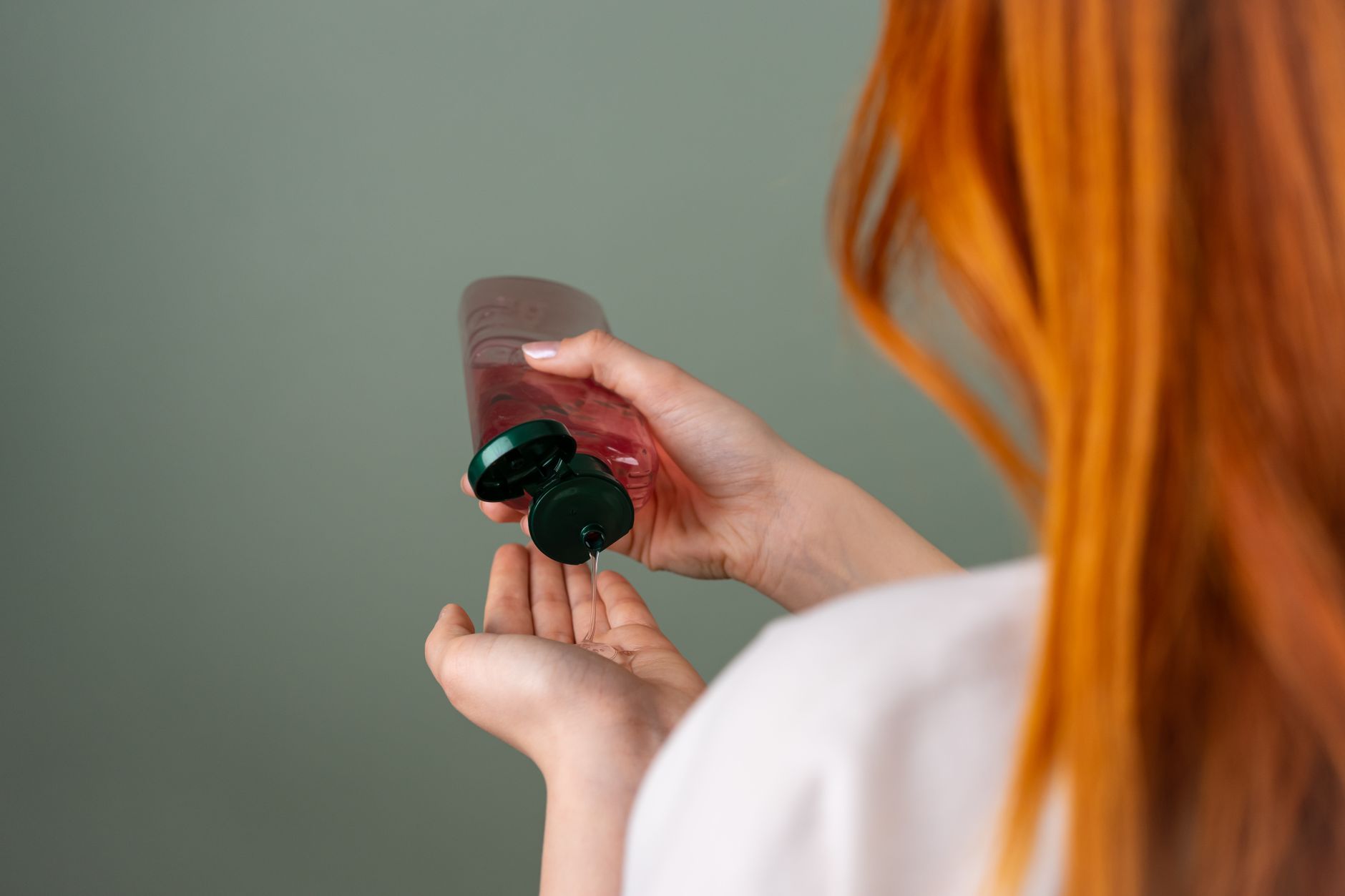
Many people wonder about the ideal frequency for shampooing their hair. It’s a common topic of debate, and the answer is more nuanced than a simple “x times a week.” Factors like hair type, scalp condition, lifestyle, and personal preferences all play significant roles in determining the best washing routine. Understanding these factors can help clarify how often you should shampoo.
In this guide, we’ll explore how often you should shampoo your hair, tips for care, and the science behind shampoo and its effects on your hair and scalp. With practical insights, you’ll learn to create a personalized hair care routine that suits your unique needs.
How Often Should I Shampoo My Hair?
Your hair type and scalp condition heavily influence how often you should wash your hair. For many, shampooing two to three times a week is a general guideline. However, this can vary widely based on several factors.
Factors Influencing Shampoo Frequency
Understanding your hair type, scalp health, and lifestyle can guide your shampooing frequency. Here are the key factors to consider:
1. Hair Type
- Straight Hair: Tends to get oily faster, so washing every other day or every third day may be suitable.
- Wavy Hair: Generally holds onto natural oils better, often requiring shampooing 2-3 times a week.
- Curlier Hair: Usually drier and more prone to frizz, many with curly hair find that washing once a week or even less works best.
- Coily Hair: This texture often benefits from infrequent washing, perhaps once a week or even biweekly, to retain moisture.
2. Scalp Health
Scalp conditions can significantly alter your washing routine:
- Oily Scalp: If your scalp becomes greasy quickly, you may need to wash every day or every other day to maintain freshness.
- Dry Scalp: People with dandruff or dry scalp issues might benefit from less frequent washing to prevent further dryness.
- Normal Scalp: A balanced scalp typically allows for a 2-3 times a week washing schedule.
3. Lifestyle Factors
Your daily activities can also impact how often you should shampoo:
- Active Lifestyle: If you exercise frequently or sweat a lot, you may need to shampoo more often to remove sweat and buildup.
- Product Use: Heavy use of styling products can necessitate more frequent washing to avoid residue build-up.
- Environmental Factors: Living in areas with high pollution may require more frequent shampooing to maintain scalp health.
4. Hair Length and Thickness
Longer and thicker hair tends to need less frequent washing than shorter or finer hair, as natural oils take longer to travel down the hair shaft.
Understanding Shampoo Types
Different shampoos can impact your washing routine. Here are the most common types:
- Clarifying Shampoo: Designed to remove heavy product buildup and oils, use it sparingly, perhaps once a month, as it can be drying.
- Moisturizing Shampoo: Ideal for dry or curly hair, these shampoos add hydration. They can be used more regularly.
- Sulfate-Free Shampoo: Gentle on the hair and scalp, sulfate-free options are suitable for all hair types, allowing for less frequent washes.
- Dry Shampoo: A quick fix between washes, dry shampoo absorbs excess oil and adds volume. It’s not a replacement for washing but can extend the time between washes.
Personalizing Your Hair Washing Routine
Personalizing your washing routine takes some experimentation. Here’s a step-by-step guide to finding your ideal schedule:
- Assess Your Hair Type: Determine whether your hair is straight, wavy, curly, or coily.
- Examine Your Scalp: Note whether it tends to be oily, dry, or normal.
- Consider Your Activities: Factor in how much you exercise or if you use styling products frequently.
- Choose a Starting Point: Begin with general recommendations for your hair type (e.g., washing 2-3 times a week for normal hair).
- Adjust as Needed: After a month, assess how your hair and scalp feel. Increase or decrease shampooing frequency based on oiliness, dryness, or irritation.
Tips for Effective Shampooing
Here are tips to maximize the effectiveness of your shampoo routine:
- Pre-Wash Prep: Brush your hair before washing to distribute natural oils and detangle knots.
- Wet Your Hair Thoroughly: Make sure your hair is completely wet before applying shampoo for even distribution.
- Use the Right Amount of Shampoo: A quarter-sized amount is generally enough for medium-length hair.
- Concentrate on the Scalp: Focus shampoo application on your scalp, where oil builds up, rather than the ends.
- Rinse Well: Ensure all shampoo is washed out to avoid irritation and buildup.
- Follow with Conditioner: Always use a conditioner suitable for your hair type after shampooing for added moisture.
Common Shampooing Mistakes
Being mindful of these mistakes can help enhance your hair care routine:
- Over-Washing: Shampooing too frequently can strip your hair of its natural oils, leading to dryness.
- Neglecting Conditioner: Skipping conditioner can leave hair dry and prone to breakage.
- Using Hot Water: Hot water can dry out the scalp and hair; opt for lukewarm water instead.
- Ignoring Water Quality: Hard water can cause buildup; consider using a filter or chelating shampoo if you live in an area with hard water.
When to Seek Professional Help
If you experience issues such as excessive hair fall, persistent scalp irritation, or significant changes in texture, it may be time to consult a dermatologist or a trichologist. A professional can assess potential underlying conditions that might be affecting your hair and scalp health.
Shampoo Ingredients to Consider
Being aware of ingredients in your shampoo can help you make informed decisions. Here are some to look for:
- Natural Oils: Oils like argan, coconut, or jojoba can provide moisture without heaviness.
- Proteins: Ingredients like hydrolyzed silk or keratin help strengthen hair.
- Parabens and Sulfates: Consider avoiding formaldded or highly sulfated shampoos if you have sensitive skin.
- Aloe Vera: Great for soothing the scalp and adding moisture.
- Essential Oils: Oils like tea tree or lavender can have scalp-soothing properties.
Enhancing Hair Health Beyond Shampooing
Maintaining healthy hair involves more than just shampooing. Here are some additional tips:
- Hydration: Drink plenty of water to keep your hair hydrated from the inside out.
- Balanced Diet: Incorporate vitamins and minerals like biotin, zinc, and omega-3 fatty acids for hair health.
- Limit Heat Styling: Reduce the use of heat stylers to lessen damage.
- Regular Trims: Get regular haircuts to remove split ends and promote healthier hair.
- Protect from Environmental Damage: Wear a hat or use hair products with UV protection if you’re spending extended time outdoors.
What Is Co-Washing and Who Should Try It?
Co-washing, or conditioner washing, is an alternative to traditional shampooing that involves washing your hair solely with conditioner. It may work well for those with dry or curly hair, as it cleanses without stripping oils. Here’s a quick overview:
- How It Works: The conditioner cleanses the hair while providing moisture.
- Who Should Consider It: Those with dry, curly, or coily hair types might benefit most.
- Application: Apply a generous amount of conditioner to wet hair, massaging into the scalp, then rinse thoroughly.
Conclusion
Determining how often to shampoo your hair depends on several individual factors. By considering your hair type, scalp condition, lifestyle, and product use, you can establish a personalized routine that keeps your hair healthy and looking its best. Remember to assess and adjust as needed, and don’t hesitate to seek professional advice if you experience persistent issues.
Next, explore related beauty guides about hair care, including how often you should condition your hair at this link, or learn more about your hair washing routine through our detailed guide at this resource.