
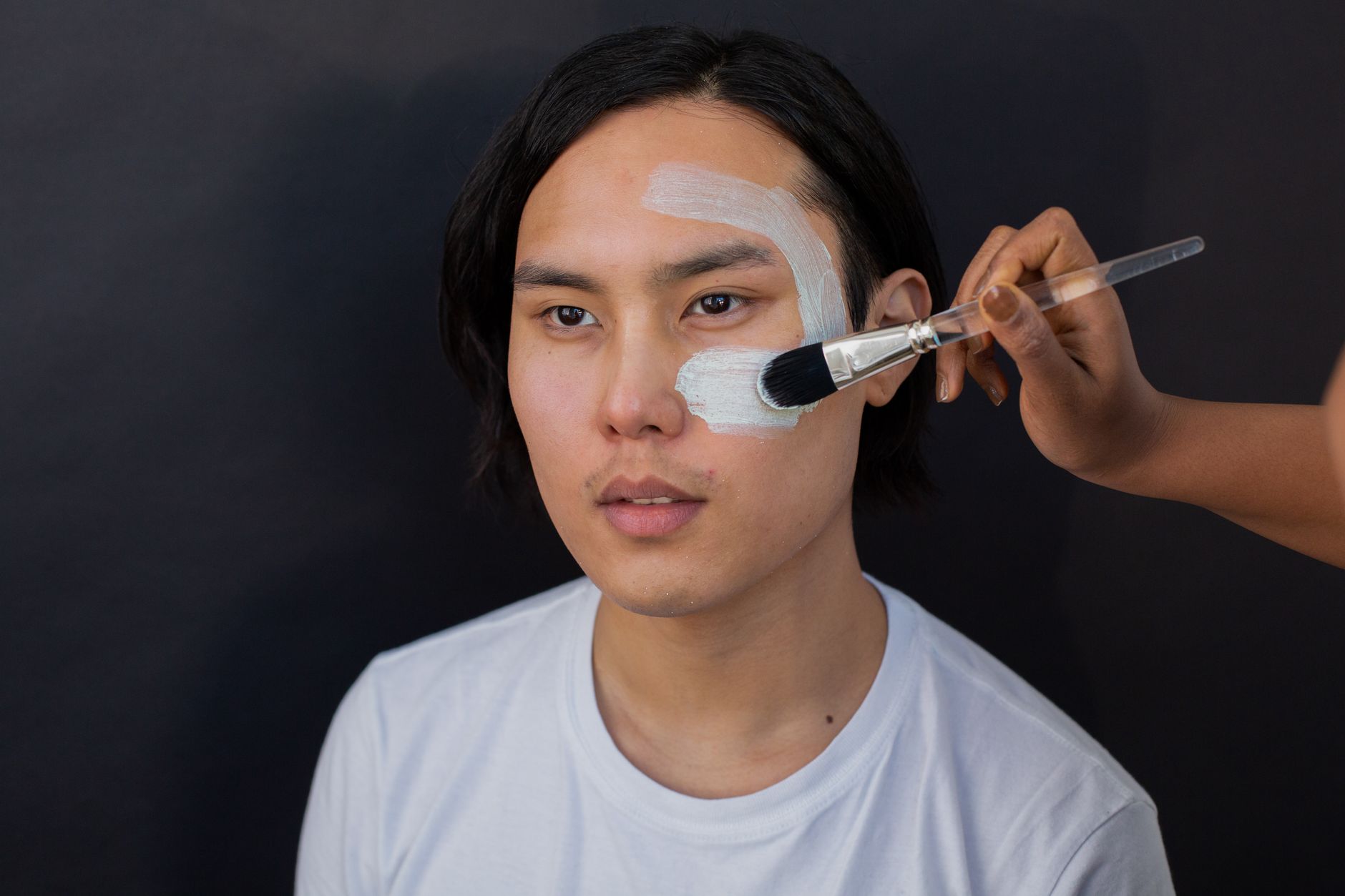
Facials can be a rejuvenating experience for your skin, helping to cleanse, exfoliate, and hydrate. However, determining how often you should get a facial can depend on several factors, including your skin type and individual needs. In this article, we’ll explore the recommended frequency for facials based on different skin types, to help you achieve your skincare goals.
Understanding your skin’s unique characteristics is crucial for tailoring a facial routine that works for you. Let’s dive into how often you should get a facial based on your skin type, skin concerns, and other important factors that could influence your skincare routine.
How Often Should You Get a Facial?
Generally, facials are recommended every 4 to 6 weeks for most skin types. This frequency aligns with the skin’s natural cell turnover process, which typically takes about a month. However, individual circumstances may necessitate adjustments to this schedule based on factors such as skin condition, lifestyle, and specific skincare goals.
Facial Frequency by Skin Type
Your skin type significantly affects how often you should consider getting a facial. Here’s a breakdown of recommendations based on common skin types:
1. Oily and Acne-Prone Skin
If you have oily or acne-prone skin, facials can be especially beneficial. They can help reduce excess oil and prevent breakouts. The ideal frequency for facials may range from every 2 to 4 weeks. During these sessions, treatments that focus on deep cleansing, exfoliation, and extraction techniques are typically preferred.
- Choose facials with salicylic acid or glycolic acid to help unclog pores.
- Consider treatments that include clay masks, which can absorb oil and minimize shine.
- Regular facials can help you maintain clearer skin and healthier oil balance.
2. Dry and Sensitive Skin
For those with dry or sensitive skin, hydration is key. Facials should ideally be scheduled every 4 to 6 weeks. Look for treatments specifically designed to nourish and soothe the skin, such as those incorporating hyaluronic acid or calming botanicals.
- Opt for gentle exfoliants to avoid irritating sensitive skin.
- Hydrating masks and creams can provide a beautiful, dewy finish.
- Avoid harsh chemical peels or extraction-focused treatments that might aggravate your skin.
3. Normal and Combination Skin
If your skin type is normal or combination, a facial every 4 to 6 weeks is typically beneficial. This frequency helps to maintain balance, promote hydration, and address minor concerns effectively.
- Facials can focus on overall skin health, including relaxation techniques.
- Include treatments that bring together both hydrating and clarifying ingredients.
- Consider incorporating relaxing elements such as facial massages for added benefits.
4. Mature Skin
Mature skin often requires special attention due to the decreased elasticity and hydration that comes with aging. For mature skin, facials may be needed every 3 to 6 weeks, depending on individual concerns such as dullness, fine lines, and sagging.
- Focus on facials that include anti-aging ingredients like peptides, antioxidants, and retinoids.
- Hydrating treatments can improve plumpness and overall texture.
- Consider facials that promote collagen production to enhance skin firmness.
Factors That Affect Facial Frequency
Beyond your skin type, several factors can influence how often you should schedule your facials. Here are some key considerations:
1. Environmental Factors
Pollution, weather, and seasonal changes can impact your skin’s condition. During summer, for instance, you might experience increased oiliness and a need for more frequent treatments, while winter may require additional hydration.
2. Skin Concerns
Specific skin concerns such as acne flare-ups, hyperpigmentation, or rosacea may affect the frequency of your facials. Active treatment plans, supervised by professionals, could dictate more frequent visits.
3. Lifestyle and Stress Levels
Your lifestyle choices, including diet, stress levels, and exposure to pollutants, can dictate how your skin feels and looks. If you’re frequently outdoors or experiencing heightened stress, you may benefit from added facial treatments to cope with these changes.
4. Professional Recommendations
It’s always wise to consult with a licensed esthetician or dermatologist to establish a tailored skincare regimen. Their expertise can help fine-tune your facial frequency based on your needs and goals.
Common Facial Types and Their Benefits
Understanding the types of facials available can help you choose the right one for your needs and decide how often you may want them. Here’s an overview of popular facial treatments:
1. Hydrating Facials
Hydrating facials flood the skin with moisture. These are ideal for dry or sensitive skin types and may be recommended every 4 to 6 weeks.
2. Deep Cleansing Facials
Deep cleansing facials focus on thorough exfoliation and removal of excess oil and impurities. They are beneficial for oily and acne-prone skin and may be scheduled every 2 to 4 weeks.
3. Exfoliating Facials
These facials utilize scrubs, enzymes, or chemical exfoliants to help slough off dead skin cells. Exfoliating facials are recommended every 4 to 6 weeks, though those with more oiliness may benefit from an increased frequency.
4. Anti-Aging Facials
Anti-aging facials typically incorporate ingredients that stimulate collagen and improve skin texture. In addition, you can opt for these facials every 3 to 6 weeks to maintain youthful skin.
5. Brightening Facials
These facials focus on improving skin tone and reducing hyperpigmentation. Whether you have dull skin or uneven tone, brightening facials are best performed every 4 to 6 weeks.
Building Your Facial Routine
In order to maximize the benefits of your facials, it’s important to create a balanced skincare routine at home. This routine can enhance the effects of your professional treatments. Here’s how to build an effective routine:
1. Daily Cleansing
- Cleanse your skin twice daily to remove impurities.
- Use a gentle makeup remover or cleanse that suits your skin type.
2. Exfoliation
- Exfoliate 1 to 3 times a week, based on your skin’s sensitivity.
- Choose either physical exfoliants or chemical exfoliants as needed.
3. Hydration and Moisturization
- Apply a suitable hydrating serum after cleansing.
- Follow with a moisturizer to lock in hydration.
4. Sun Protection
- Always finish your morning routine with a broad-spectrum sunscreen.
- Reapply throughout the day, especially if you’re spending time outdoors.
Common Mistakes to Avoid
When integrating facials and at-home skincare into your routine, be aware of these common mistakes:
- Avoid overwashing your face. This can strip natural oils and worsen skin issues.
- Don’t skip sunscreen, especially after exfoliating treatments.
- Be cautious with new products; introduce them gradually to avoid irritation.
- Don’t ignore signs of irritation; always consult a professional if issues arise.
Realistic Expectations from Facials
Understanding what facials can and cannot achieve is crucial. Here are a few points to keep in mind:
- Facials can enhance your skin’s appearance and health, but they are not quick fixes.
- Consistent treatment combined with an effective home routine can yield the best results over time.
- Individual results vary based on skin type, lifestyle, and treatment chosen.
- Facials work in conjunction with other skincare, so patience and consistency are key.
To help you achieve the best outcomes, it’s vital to understand your skincare needs and choose facials that align with them. Keeping communication open with your esthetician can refine the process as skin changes over time.
Conclusion
In summary, the frequency of facials varies based on skin type, specific concerns, lifestyle, and professional guidance. For most people, spacing appointments every 4 to 6 weeks will provide optimal results. By maintaining a balanced skincare routine at home and paying attention to your skin’s needs, you can enhance your facial experience and achieve your skincare goals.
Consider exploring our guides on how to exfoliate your face and what dermaplaning involves for additional tips and techniques to enhance your skincare routine.