
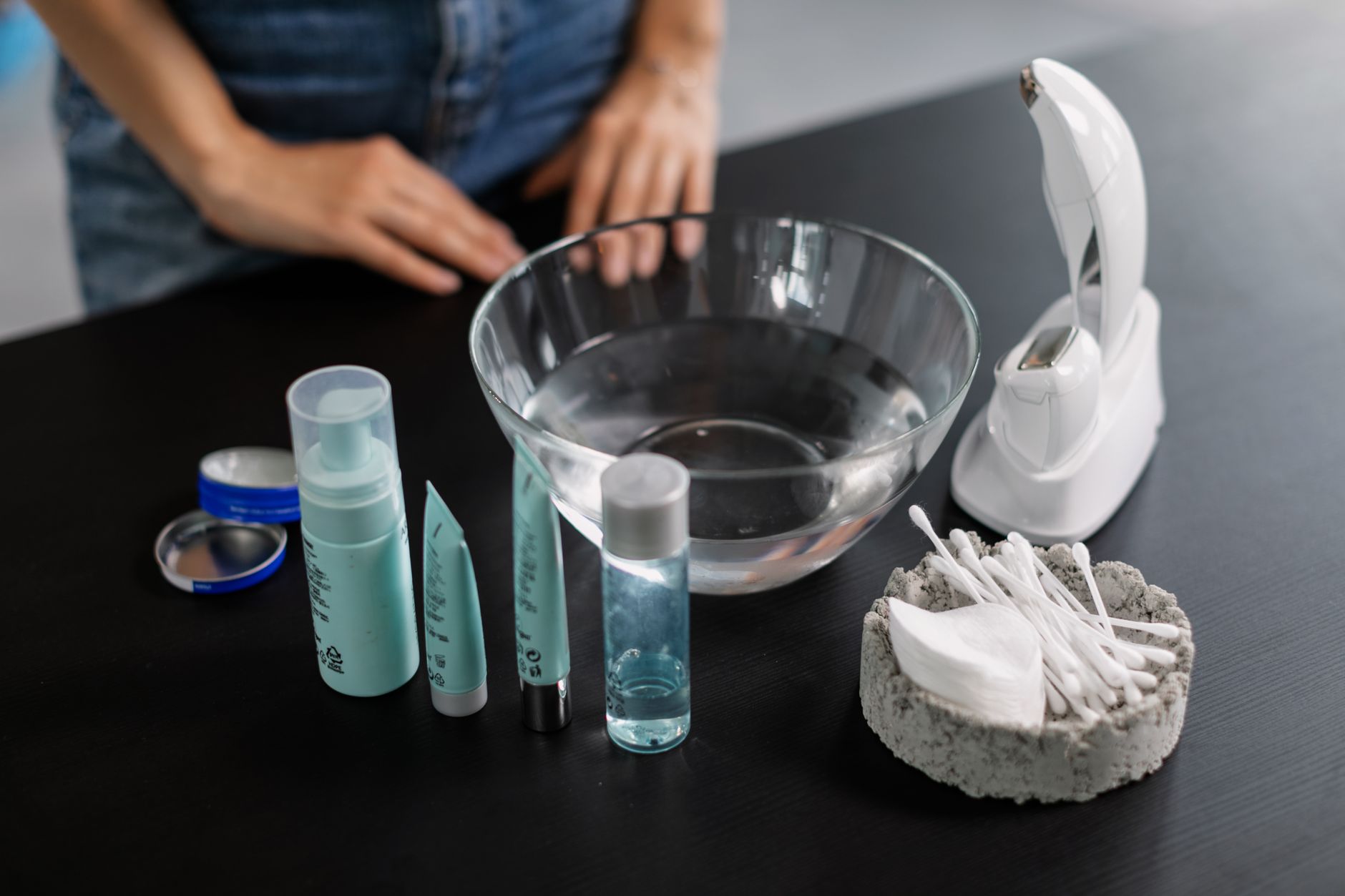
Dermaplaning is a popular skincare treatment that gently exfoliates the skin by removing dead skin cells and vellus hair (often referred to as peach fuzz). This technique can leave your skin looking smoother and brighter. Many skincare enthusiasts and professionals rave about its potential to improve overall skin texture and enhance the effectiveness of skincare products.
In this guide, we’ll explore the dermaplaning process, its benefits, safety tips, and aftercare. Whether you’re considering trying this treatment yourself or planning to visit a professional, understanding what dermaplaning entails can help you make informed decisions for your skincare routine.
What Is Dermaplaning?
Dermaplaning is a physical exfoliation treatment that involves using a sterile surgical scalpel to gently scrape the surface of the skin. This process removes dead skin cells, excess oil, and fine hairs. The treatment aims to reveal a smoother skin layer, promoting cell turnover while reducing the appearance of fine lines, acne scars, and uneven skin tone.
How Does Dermaplaning Work?
The process of dermaplaning is straightforward yet requires precision. Below is a step-by-step outline of how the treatment typically unfolds:
- Consultation: A skincare professional will assess your skin to determine your suitability for dermaplaning.
- Preparation: Your skin will be cleansed thoroughly to remove any makeup, dirt, or oils. At this stage, a topical numbing cream may also be applied.
- Exfoliation: Using a sterile surgical scalpel, the professional will gently scrape the skin in short, swift strokes.
- Post-Treatment Care: Once completed, a soothing serum or moisturizer is typically applied to calm and hydrate the skin.
- Aftercare Instructions: The professional will provide advice on how to care for your skin post-treatment.
Benefits of Dermaplaning
Dermaplaning offers a variety of benefits for different skin types and concerns. Here’s a closer look at what you can expect:
- Smoother Skin: The removal of dead skin cells and fine hairs leads to a silky-smooth surface.
- Better Product Absorption: With dead skin gone, skincare products can penetrate the skin more effectively, maximizing their benefits.
- Improved Makeup Application: A smoother canvas allows for seamless makeup application, resulting in a more polished look.
- Brightened Complexion: By sloughing away dull skin, dermaplaning can help reveal a brighter and more radiant complexion.
- Reduces Signs of Aging: Regularly exfoliating the skin can help diminish the appearance of fine lines and wrinkles.
- Minimal Downtime: The procedure usually requires little to no downtime, making it a convenient option for busy lifestyles.
Who Can Benefit from Dermaplaning?
Dermaplaning is suitable for most skin types, but here are some considerations:
- Normal to Dry Skin: Those with normal to dry skin may find dermaplaning beneficial for maintaining a refreshed appearance.
- Oily Skin: Individuals with oily skin can experience improved texture and fewer breakouts.
- Sensitive Skin: While some sensitive skin types may tolerate dermaplaning, it is essential to consult with a skincare professional.
- Aging Skin: Those concerned about signs of aging can greatly benefit from this treatment.
Safety Tips for Dermaplaning
While dermaplaning is generally safe for most people, keeping the following tips in mind can help ensure a positive experience:
- Choose a Qualified Professional: Always seek a licensed skincare professional to perform your treatment.
- Patch Test: If you have sensitive skin or are unsure how your skin reacts, consider a patch test before the full treatment.
- Avoid Active Breakouts: If you have active acne or any open wounds, it’s best to postpone dermaplaning until healing has occurred.
- Post-Care Essentials: Follow all aftercare instructions carefully, including the use of sunscreen and specific skincare products.
- Frequency: Limit treatments to once every four to six weeks to avoid irritation or over-exfoliation.
At-Home Dermaplaning
If you can’t visit a professional or prefer to try dermaplaning at home, it’s crucial to proceed with caution. Here are some tips for safe at-home dermaplaning:
- Use an Appropriate Tool: Invest in a high-quality dermaplaning tool designed for home use.
- Cleanse Thoroughly: Start with a clean face to avoid introducing bacteria during the process.
- Stretch Your Skin: Gently pull your skin taut with one hand while using the tool with the other to achieve a closer, safer shave.
- Angle the Blade: Maintain a 45-degree angle with the blade to ensure effective exfoliation and minimize the risk of cuts.
- Follow Up with Hydration: Apply a nourishing moisturizer or serum post-treatment to soothe the skin.
Potential Risks and Side Effects
Like any skincare treatment, dermaplaning comes with certain risks and potential side effects. Being aware of these can help you make an informed decision:
- Skin Irritation: Some people may experience redness or sensitivity immediately following the treatment.
- Breakouts: In some cases, dermaplaning can lead to temporary breakouts due to removed debris and oil being released from clogged pores.
- Minor Cuts: If not performed correctly, the scalpel can cause small cuts or nicks. Ensure a professional performs the treatment or follow safe practices if doing it at home.
- Sun Sensitivity: Post-treatment, your skin may be more susceptible to sun damage, so wearing sunscreen is crucial.
Aftercare for Dermaplaning
Proper aftercare is essential to maintain results and promote skin healing. Here are some tips for optimal post-dermaplaning care:
- Keep It Simple: Avoid using harsh exfoliants, retinoids, or acids for at least a week post-treatment.
- Hydrate: Apply a gentle moisturizer to keep your skin hydrated and nourished.
- Sunscreen is Key: Always apply a broad-spectrum sunscreen with at least SPF 30 to protect your skin from sun damage.
- Avoid Makeup: If possible, delay makeup application for 24 hours to allow your skin to recover.
- Stay Hydrated: Drink plenty of water to keep your skin looking its best from the inside out.
Understanding the Cost of Dermaplaning
The cost of dermaplaning can vary widely based on factors such as geographic location, the expertise of the professional, and whether additional services are included. On average, you can expect to pay between $75 and $150 per session. Always ensure the provider’s credentials are up-to-date and that hygiene standards are maintained to safeguard your skin’s health.
Comparison: Dermaplaning vs. Other Exfoliation Methods
When considering exfoliation options, you may be curious how dermaplaning stacks up against other methods. Here’s a brief comparison:
| Method | Procedure | Effectiveness | Downtime |
|---|---|---|---|
| Dermaplaning | Physical exfoliation with a surgical scalpel. | Immediate smoothness and brightness. | Minimal, usually no downtime. |
| Chemical Peels | Application of acid solutions to remove outer skin layers. | Varies by peel strength; may require multiple sessions. | Variable, ranging from mild redness to peeling. |
| Microdermabrasion | Using a machine to exfoliate the skin’s surface with tiny crystals. | Results in softer skin and can minimize minor imperfections. | Minimal, usually redness subsides quickly. |
| Exfoliating Scrubs | Manual scrubs with coarse particles to slough off dead skin. | Results depend on the product; can irritate sensitive skin. | None, but might cause temporary irritation. |
Conclusion
Dermaplaning can be an excellent addition to your skincare routine, offering a simple yet effective way to rejuvenate your skin. Whether you choose to undergo the treatment professionally or try it at home, understanding the technique and adhering to safety guidelines will allow you to enjoy its benefits while minimizing risks. For best results, always incorporate proper aftercare and consult with professionals regarding your unique skin needs.
For more insights into skincare practices, consider exploring topics like skincare routines for different skin types, the benefits of specific ingredients, or tips for effective product selection. Understanding your skin’s needs is the key to achieving a beautiful, glowing complexion!