
The anticipation of achieving perfectly painted nails can quickly be dampened by the dread of having to wait for nail polish to dry. Understanding the drying times of nail polish can not only enhance your manicure experience but also help you avoid those dreaded smudges and chips. In this article, we’ll explore how long it actually takes for nail polish to dry and provide some essential tips for speeding up the process.
Nail polish drying times can vary based on several factors, including the type of polish applied and your environment. Join us as we delve into the mysteries of nail polish drying times and discover ways to keep your nails looking fabulous without the wait.
How Long Does It Take Nail Polish to Dry?
The time it takes for nail polish to dry can vary widely. Generally, standard nail polish requires about 2 to 3 hours to dry completely. However, this doesn’t mean that your nails are safe from smudging or denting immediately after painting.
Here’s a simplified breakdown:
- Touch Dry: 10-30 minutes—your nails may feel dry to the touch.
- Handle Dry: 1-2 hours—this is when you can carefully use your hands without worrying too much.
- Fully Dry: 2-3 hours—your manicure is completely set and can withstand normal activities.
Factors like humidity, temperature, and the thickness of the polish can influence these times significantly.
Factors Influencing Nail Polish Drying Time
There are numerous factors that can affect how long nail polish takes to dry completely. Understanding these can help you make more informed choices when doing your nails.
Type of Nail Polish
The type of nail polish you use plays a significant role in drying time. Here are some common types:
- Regular Nail Polish: Typically takes the longest to dry, generally needing around 2 to 3 hours.
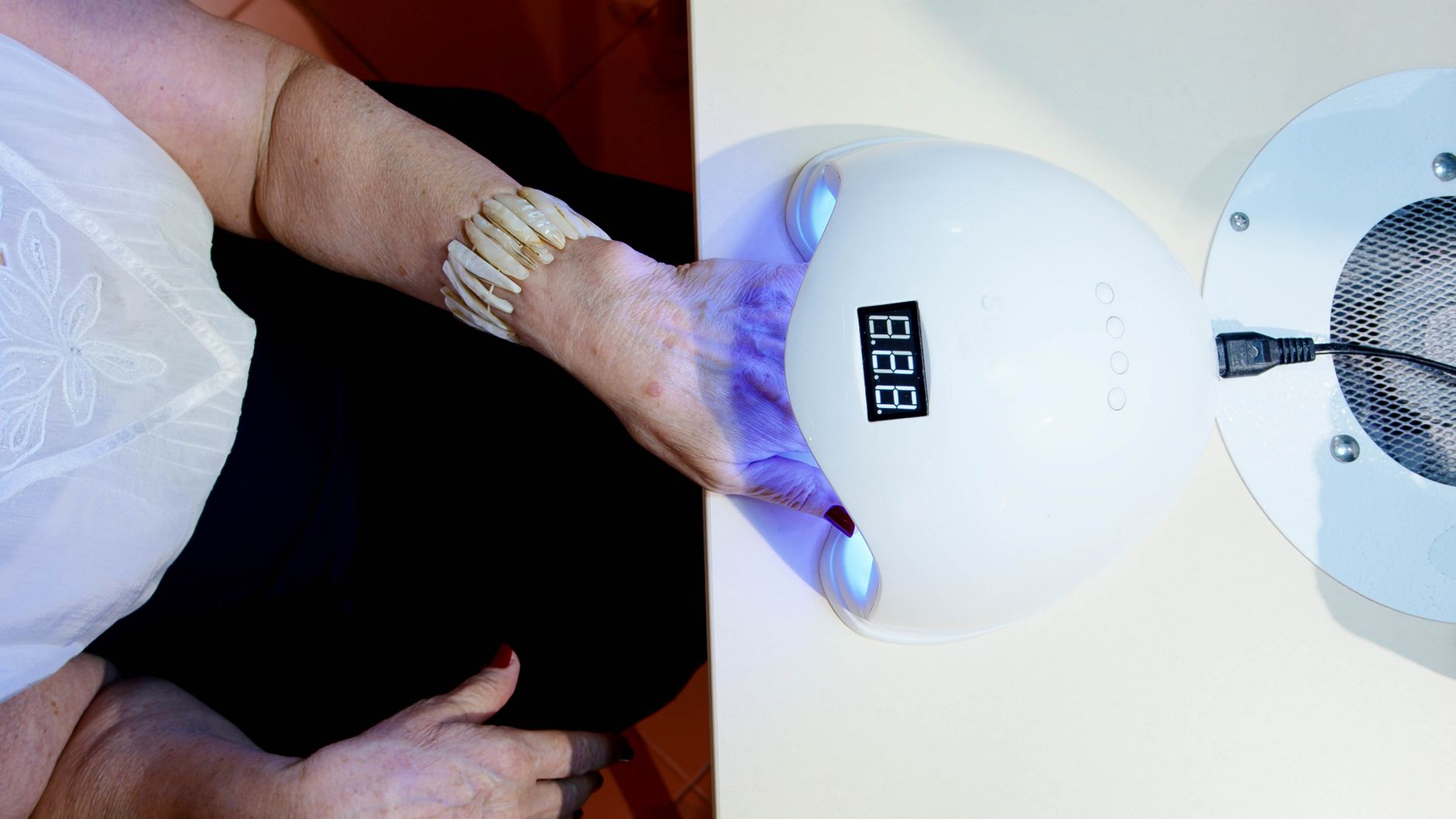
- Gel Nail Polish: Dries instantly under UV or LED light but requires removal through soaking or filing.
- Dipping Powder: Typically sets quickly but can feel less durable without a topcoat.
- Quick-Dry Formulas: As the name suggests, these are specially designed to dry faster, often within 1 hour or less.
Application Thickness
Applying a thick coat of nail polish will extend drying times. It’s best to apply thin layers to achieve a quicker and more even drying process.
Environmental Conditions
The environment in which you apply nail polish matters. Factors such as temperature and humidity can significantly impact drying times:
- Warm Environments: Heat helps nail polish dry faster. A warm room will accelerate the drying process.
- Humidity: High humidity can slow down drying times as it creates a damp environment that can cause the polish to take longer to set.
Airflow
Good airflow can help speed up the drying process. Ensuring that you have a fan on or are in a well-ventilated space can assist in achieving quicker results.
Tips for Faster Drying
There are several tricks you can use to help your nail polish dry faster, allowing you to enjoy your manicure sooner:
- Apply Thin Coats: As mentioned earlier, thinner layers of polish dry more quickly. It’s better to build up color with multiple thin coats.
- Use Quick-Dry Top Coats: Quick-dry top coats can seal in color and speed up drying time considerably.
- Run Under Cold Water: After waiting for a few minutes, running your nails under cold water for a short time can help the polish set.
- Use a Nail Drying Spray or Oil: Many brands offer drying sprays or quick-dry oils that work to harden the polish faster.
- Avoid Heat: While heat can help certain polish types dry, avoid hot surfaces or direct sunlight immediately after painting.
- Choose a Drying Station: Some nail salons use specialized drying stations that help accelerate drying. You can mimic this at home with a fan or hair dryer on a cool setting!
Common Mistakes to Avoid
Even seasoned nail painters can make mistakes that affect drying time or lead to premature smudges. Here are some common pitfalls to watch out for:
- Applying Polish Too Thickly: As previously mentioned, thick coats are the enemy of quick drying. Always opt for thin, even layers.
- Not Waiting Between Coats: Rushing to apply the next layer before the previous one is fully dry can lead to a messy finish. Wait a few minutes between coats.
- Touching Your Nails Too Soon: Avoid the temptation to check if your nails are dry too soon. You risk smudging your masterpiece!
- Ignoring Expiration Dates: Old nail polish can become thick and clumpy which will affect drying time. Regularly check the expiration of your products.
Understanding Different Drying Stages
Knowing the stages of nail polish drying can help you manage your expectations. Here’s a closer look:
Touch Dry
Touch dry means that the surface of the polish feels dry to the touch. However, the inner layers are still wet, making it vulnerable to smudges. Avoid touching anything until you’ve given it at least 15-30 minutes.
Handle Dry
At this stage, you can handle everyday tasks with more assurance, but it’s best to be cautious. This usually takes 1-2 hours, especially for thicker formulations.
Fully Dry
When your manicure is fully dry, which can take 2-3 hours, you can confidently go about your day without fear of damaging your fresh paint.
Nail Polish Removal and Maintenance
While getting the perfect nail polish application is important, knowing how to remove it properly is also crucial for maintaining nail health. Different types of nail polish require specific removal methods:
Regular Nail Polish
Standard nail polish can be easily removed with acetone or non-acetone removers. Soak a cotton ball in the remover and press it against the nail for about 10-15 seconds before wiping it away.
Gel Nail Polish
Gel polishes require soaking in acetone to break down the product. It is best to wrap the nails with soaked cotton balls and foil for about 10-15 minutes for effective removal.
Dipping Powder
Dipping powders often require soaking as well. You’ll need to file down the top layer and then soak it in acetone for best results.
Maintaining Nail Health After Polish
To maintain your nails’ health after using polish, consider the following suggestions:
- Hydrate: Apply cuticle oil regularly to keep your nails and surrounding skin moisturized.
- Give Nails a Break: Avoid applying polish continuously to prevent weakening your nails. Allow them to breathe for a few days.
- Use Strengthening Products: If you notice your nails becoming weak, consider using strengthening base coats or nail care products designed to enhance nail health.
Remember to always listen to your nails and treat them with the care they deserve.
Conclusion
Mastering the art of nail polish drying not only contributes to the longevity and appearance of your manicure but also enhances your overall nail care routine. By understanding various drying times and implementing simple tips, you can elevate your nail experience. Try to adopt healthier application and removal methods, and always pay attention to the health of your nails.
Ready to take your nail game to the next level? Explore guides on how long nail polish takes to dry and learn how to remove gel nail polish effectively. Your nails will thank you!