
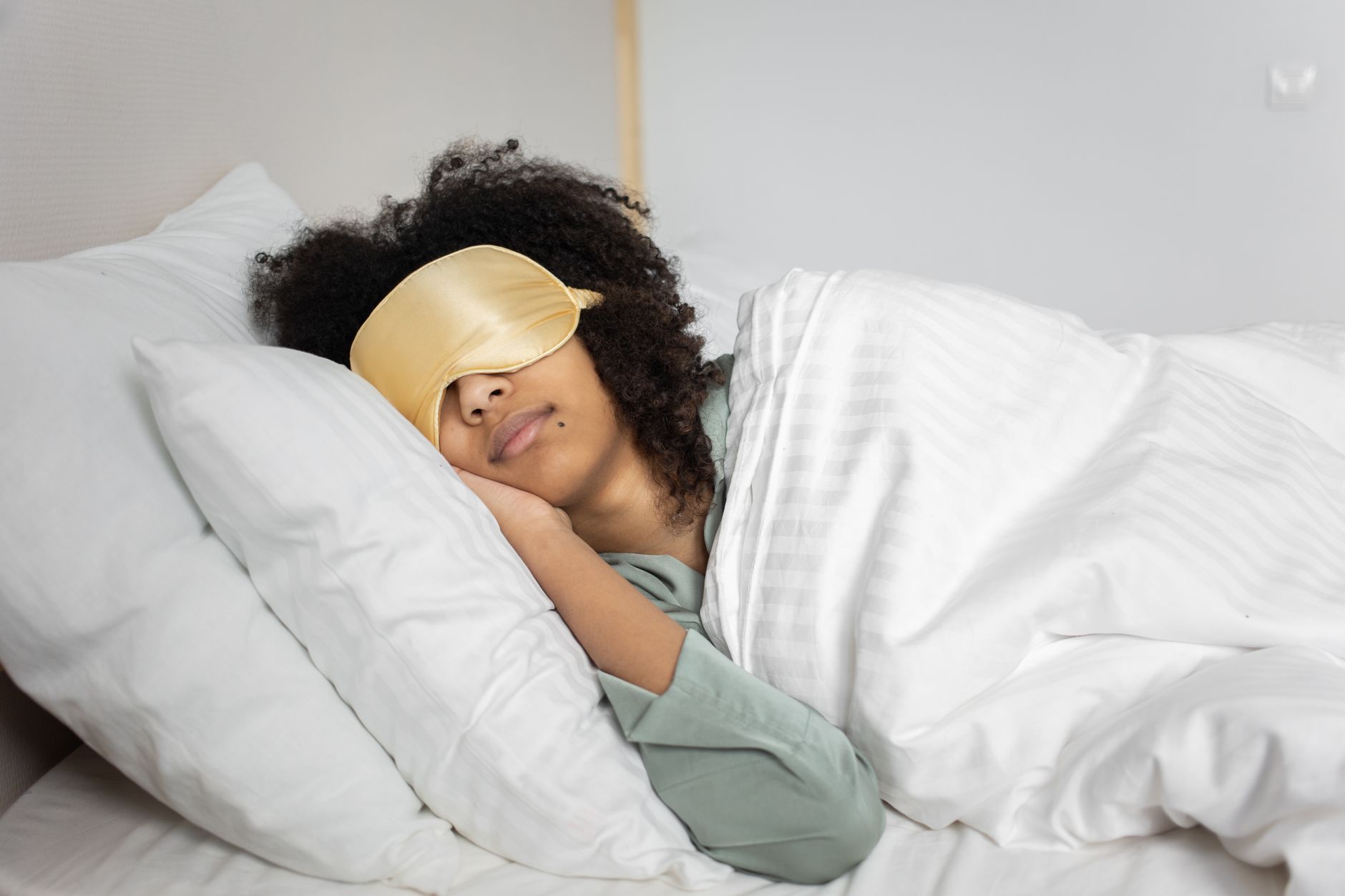
Hair bonnets are a popular accessory in the beauty world, especially for those with textured or natural hair. These versatile garments offer a range of benefits, primarily aimed at protecting hair while you sleep. Understanding what hair bonnets are for can not only help maintain your hair health but also enhance your styling routines.
In this guide, we’ll explore the various uses, benefits, and protection that hair bonnets provide, making them an essential item in your hair care arsenal. Whether you’re aiming to retain moisture or minimize breakage, we’ll cover the ins and outs of this often-overlooked hair accessory.
What Are Hair Bonnets for?
Hair bonnets are primarily designed to protect your hair from damage while you sleep or during other periods of inactivity. They help maintain moisture levels, reduce friction, and prevent tangling and breakage. Additionally, bonnets can help preserve hairstyles, making them ideal for various hair types, particularly curly and textured hair.
The Benefits of Wearing Bonnets
Choosing to wear a bonnet comes with a myriad of benefits that can drastically improve the health and appearance of your hair. Below are some significant advantages of incorporating a hair bonnet into your beauty routine:
- Moisture Retention: Bonnets help to lock in moisture, which is essential for preventing dryness. Wearing a bonnet at night can keep your hair hydrated, especially if you have natural or textured hair that tends to be drier.
- Breakage Prevention: The soft fabric of bonnets reduces friction between your hair and pillowcases, significantly decreasing the risk of breakage and split ends.
- Style Preservation: Bonnets can help maintain hairstyles longer by preventing frizz and protecting your curls or waves while you sleep. This is particularly helpful for those who style their hair with intricate updos or defined curls.
- Tangle Reduction: By keeping your hair contained and limiting movement while you sleep, bonnets help prevent tangles and knots, leading to smoother and easier mornings.
- Heat Protection: If you regularly heat style your hair, wearing a bonnet can provide a barrier that helps protect your hair from the heat of styling tools as well as the friction caused by touching your hair throughout the day.
Types of Hair Bonnets
There are several types of hair bonnets available on the market, each serving a specific purpose. Understanding these types can help you select the right one for your hair care needs.
- Satin Bonnets: Often the most recommended, satin bonnets are ideal for preserving moisture and minimizing friction. They are smooth, allowing your hair to glide against them without causing breakage.
- Silk Bonnets: Similar to satin, silk bonnets also help maintain moisture while reducing friction. They tend to be a bit more luxurious and can provide added softness.
- Cotton Bonnets: While cotton is a popular fabric for many clothing items, it’s less ideal for bonnets as it tends to absorb moisture. However, some bonnets feature a cotton lining for added comfort while using satin or silk on the outside.
- Adjustable Bonnets: These bonnets typically have a drawstring or elastic band that allows you to customize the fit. This is great for ensuring that the bonnet stays on throughout the night without causing discomfort.
How to Choose the Right Bonnet
Selecting the right bonnet involves a few considerations based on your needs and hair type. Here are some tips to help you make the best choice:
- Hair Type: If you have curly or textured hair, opt for satin or silk bonnets as they will best help retain moisture and protect your curls.
- Size: Ensure the bonnet fits comfortably over your head and hair, allowing for enough room to accommodate your hairstyle, whether it’s a bun or loose curls.
- Material: Choose high-quality fabrics like satin or silk that will effectively protect your hair. Check the thickness of the material; thinner bonnets may not provide sufficient protection.
- Adjustability: Bonnets with adjustable sizes can help ensure a snug fit, reducing the likelihood of the bonnet slipping off during the night.
How to Wear a Bonnet Properly
The effectiveness of a bonnet depends largely on how you wear it. Here’s a simple guide on how to wear a bonnet properly:
- Prep Your Hair: Before putting on your bonnet, ensure your hair is clean and dry. You may want to apply a leave-in conditioner or oil to enhance moisture retention.
- Gather Hair: Gather your hair into a loose bun or ponytail near the top of your head, depending on your preference and hair length.
- Put on the Bonnet: Place the bonnet over your hair, ensuring it covers all sections. The edge of the bonnet should sit comfortably on your forehead without feeling tight.
- Adjust as Needed: If your bonnet has a drawstring, adjust it as necessary to ensure it stays in place throughout the night.
When to Wear a Bonnet
While bonnets are particularly popular for nighttime use, they can also be beneficial during other times. Here are some situations when wearing a bonnet is encouraged:
- While sleeping to preserve styles and retain moisture.
- During travel or long car rides to minimize friction and maintain hairstyles.
- When applying heat treatments or deep conditioning to protect your hair.
- While lounging around the house to keep your hair protected from outdoor elements.
Common Mistakes When Using Bonnets
To maximize the benefits of your bonnet, it is essential to avoid common pitfalls. Here are a few mistakes often made when using hair bonnets:
- Using Cotton Bonnets: While cotton may seem appealing, it absorbs moisture and can lead to dryness and frizz. Stick to satin or silk for optimal benefits.
- Not Securing the Bonnet: If your bonnet keeps coming off during the night, it won’t protect your hair effectively. Make sure it fits snugly and adjust it as needed.
- Neglecting Hair Prep: Failure to prep your hair before wearing a bonnet can limit its effectiveness. Clean, moisturized hair will reap the most benefits from the added layer of protection.
- Overusing or Forgetting to Wash: Bonnets can accumulate sweat, oils, and product residue. Be sure to wash your bonnet frequently to maintain hygiene and performance.
Maintaining Your Hair and Bonnets
Proper maintenance of both your hair and bonnets ensures lasting health and effectiveness. Below are some tips on maintaining both:
Hair Maintenance Tips
- Regular Washing: Clean your hair with a suitable shampoo and conditioner routine to remove dirt and buildup.
- Moisturize: Keep your hair hydrated with serums, oils, or leave-in conditioners to maintain elasticity and shine.
- Protect Styles: Incorporate protective hairstyles that reduce manipulation and stress on your hair.
- Avoid Excessive Heat: Minimize the use of heat styling tools to protect your hair from damage.
Bonnet Care Tips
- Wash Regularly: Follow care instructions on the garment label, typically washing bonnets in cold water to prevent fabric damage.
- Avoid Harsh Chemicals: Avoid using fabric softeners or harsh detergents that can leave residues on your bonnet.
- Air Dry: Opt to air-dry your bonnets rather than using a dryer to prolong their lifespan.
Alternative Hair Protection Methods
If you find that bonnets are not for you, there are various alternative hair protection methods available:
- Scarves: Silk or satin scarves can be tied around the head in place of a bonnet, offering similar protective benefits.
- Pillowcases: Switching to silk or satin pillowcases can help reduce friction and prevent hair damage.
- Hair Wraps: These are similar to bonnets but often have a more fitted design, which can be particularly beneficial for shorter styles.
Conclusion
Incorporating a bonnet into your hair care routine can yield significant benefits, especially for those with textured and natural hair. With its ability to retain moisture, reduce breakage, and preserve styles, a bonnet is an indispensable tool in maintaining healthy hair. Now that you understand what hair bonnets are for and how to choose the right one, start embracing this simple yet effective accessory to elevate your hair care regimen.
For more detailed guidance, you may want to check out how to wear a bonnet and learn about what a bonnet does.