
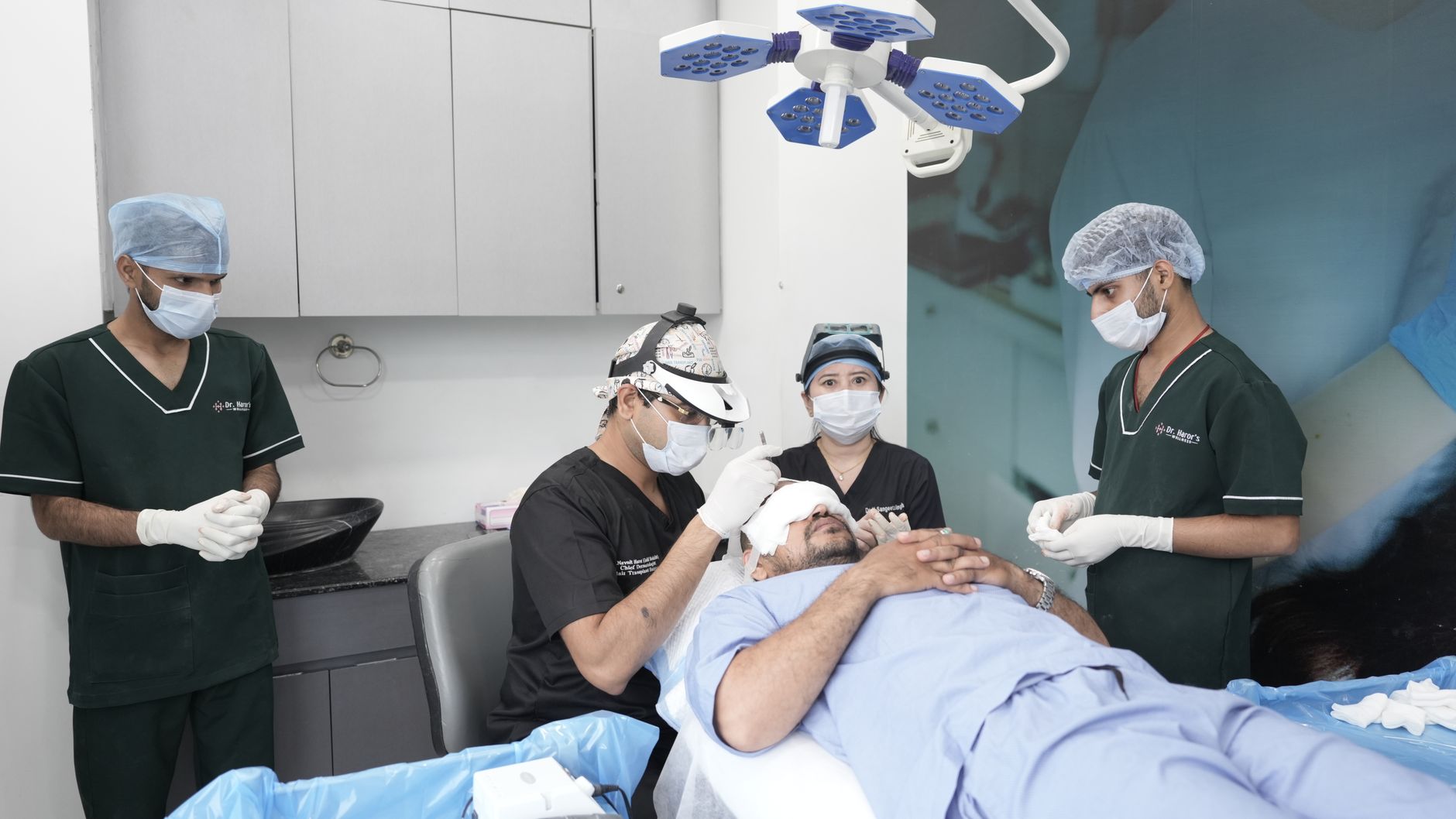
A hair transplant can be a transformative solution for individuals suffering from hair loss, providing a more youthful and fuller appearance. However, many prospective patients are often left wondering about the financial implications of this procedure. Understanding the costs associated with hair transplants in the USA is essential for making an informed decision.
This article delves into the various factors affecting the price of hair transplants, provides an overview of average costs, and discusses financing options and considerations for potential candidates.
How Much Is A Hair Transplant In The USA?
The average cost of a hair transplant in the USA typically ranges from $4,000 to $15,000, depending on several factors. Prices can vary significantly based on the technique used, the number of grafts needed, the geographical location of the clinic, and the experience of the surgeon performing the transplant.
Understanding Hair Transplant Costs
When assessing the cost of a hair transplant, it’s vital to understand what influences these prices. Below are some of the primary factors that can affect the overall expense.
1. Hair Transplant Techniques
There are two primary hair transplant techniques that clinics may offer: Follicular Unit Extraction (FUE) and Follicular Unit Transplantation (FUT). Each technique has different costs associated with them.
- Follicular Unit Extraction (FUE): This minimally invasive method involves extracting individual hair follicles from the donor area and transplanting them into the balding area. FUE is generally more expensive due to the intensive nature of the procedure and the amount of time it takes.
- Follicular Unit Transplantation (FUT): This method involves removing a strip of hair-bearing skin from the back of the scalp and dissecting it into individual follicular units for transplantation. Generally, FUT is less expensive compared to FUE, as it requires less time and fewer facilities.
2. Number of Grafts Required
The total cost of the procedure often correlates with the number of grafts needed. On average, a single follicular unit (or graft) can cost between $3 and $10 per graft. The total number of grafts will vary based on the individual’s level of hair loss and desired fullness.
3. Geographic Location
The cost of hair transplants can vary greatly depending on the region of the USA. Typically, major metropolitan areas, where demand is higher, will command higher prices. For instance, clinics in cities like New York or Los Angeles may charge significantly more than those in smaller towns or rural areas.
4. Surgeon’s Expertise and Reputation
The experience and credentials of the surgeon play a major role in determining the cost. Highly regarded clinicians or those with a wealth of experience may charge higher fees, but their skill can lead to better results.
5. Quality of Facilities and Technology
State-of-the-art technology and well-maintained facilities can also contribute to the cost. Clinics that incorporate advanced tools and follow strict sterilization protocols may charge more due to higher overhead costs.
Average Prices for Hair Transplant Procedures
While the overall price can fluctuate based on the factors mentioned, here’s a general breakdown of average costs associated with hair transplant procedures:
| Location | Average Cost Range |
|---|---|
| West Coast | $7,000 – $15,000 |
| East Coast | $5,000 – $12,000 |
| Midwest | $4,000 – $10,000 |
| South | $4,500 – $11,000 |
As reflected in the table, prices tend to be higher in coastal regions compared to the Midwest and South.
Financing Options Available
Given the substantial cost of hair transplants, many candidates consider financing solutions. Some options include:
- Payment Plans: Many clinics offer payment plans that allow patients to spread the cost over a series of months or years.
- Medical Financing Companies: Specialized financing companies provide loans for medical procedures, allowing patients to make manageable monthly payments.
- Health Savings Accounts (HSAs): If available, HSAs can be used to save pre-tax dollars for healthcare expenses, including elective procedures.
What to Consider Before a Hair Transplant
Before undergoing a hair transplant, it’s crucial to consider several factors beyond cost:
1. Understanding the Procedure
Being well-informed about the procedure itself, including recovery time and potential risks, will help you set realistic expectations.
2. Assessing Your Hair Loss
Factors such as the cause of your hair loss, the density of your donor hair, and the overall health of your hair should be evaluated. Consulting with a specialist can provide better insight into the most suitable treatment.
3. Setting Realistic Expectations
While hair transplants can provide significant improvements in appearance, it’s important to understand that results can vary. Expect gradual hair growth over several months, with full results typically visible within a year.
4. Evaluating the Clinic’s Credentials
Not all clinics are created equal. Ensure that you thoroughly research the clinic’s reputation, surgeon’s credentials, and patient reviews to ensure you’re receiving quality care.
5. Considering Alternative Treatments
If the cost of a hair transplant exceeds your budget, consider alternative treatments such as PRP (platelet-rich plasma) therapy, minoxidil, or oral medications, each of which can have varying effectiveness based on individual circumstances.
Post-Procedure Care
Proper post-operative care is crucial for successful hair growth. Engaging with your surgical team regarding the best post-procedure guidelines can enhance results. Here are a few guidelines to follow:
- Avoid strenuous physical activity for about a week following the procedure.
- Keep the scalp clean and follow all hygiene instructions provided by your surgeon.
- Use any prescribed medication to manage pain and reduce the risk of infection.
- Avoid direct sunlight and harsh hair products for a few weeks.
Common Mistakes and Misconceptions
It’s easy to fall prey to common myths about hair transplants that may affect decision-making.
- All Hair Transplants Are the Same: Each procedure varies in technique and application, so understanding the nuances is essential.
- Hair Transplants Are a One-Size-Fits-All Solution: Individual needs and outcomes can differ greatly, making personal assessments vital before treatment.
- Costs Are Fixed: Costs can fluctuate significantly based on numerous factors, including those discussed throughout this article.
Realistic Expectations and Outcomes
Patients should have a clear understanding of what to expect post-procedure. Hair transplants can provide natural-looking results, but it may take time to attain the desired appearance.
Expected Timeline
- Day of Procedure: Initial recovery and post-op instructions.
- Week 1: Follow-up appointments and removal of any dressings.
- Month 1: Shedding phase where transplanted hairs may fall out.
- Month 3: Initial signs of regrowth may begin to appear.
- Month 6: Noticeable hair thickness and coverage starts to develop.
- Year 1: Full results typically reveal aesthetic goals achieved.
Conclusion
The cost of a hair transplant in the USA can vary widely, influenced by factors such as technique, number of grafts, geographical location, and the surgeon’s expertise. Considering all the associated costs and potential financing options can empower individuals to make informed decisions. Always consult with a qualified specialist to assess your hair loss situation, explore treatment options, and plan appropriately.
If you want to learn more about hair transplants and what to expect, explore guides on hair transplant costs and how long the results last.