
As the beauty community continues to explore the science behind popular ingredients and treatments, the discussion around GLP-1 (glucagon-like peptide-1) has gained attention, particularly regarding its potential side effects. In recent years, GLP-1 agonists have been used to assist in weight loss and manage diabetes.
With these medications becoming increasingly common, many individuals wonder about the possible link between GLP-1 exposure and hair loss. This article dives into existing evidence, practical advice for those concerned, and ways to address this pressing issue while embracing holistic beauty and well-being.
Does GLP-1 Cause Hair Loss?
Yes, there is some evidence suggesting that GLP-1 medications, such as semaglutide and tirzepatide, may contribute to hair loss in certain individuals. The mechanism through which this occurs is still under investigation, but factors including hormonal changes and stress may be involved.
Understanding GLP-1 and Its Benefits
GLP-1 is a hormone that plays a crucial role in glucose metabolism. It is released in response to food intake and helps regulate blood sugar levels. GLP-1 agonists mimic this hormone, enhancing insulin secretion, reducing glucagon levels, and promoting satiety, which can lead to weight loss.
These medications have gained popularity due to their effectiveness in managing type 2 diabetes and obesity. However, with their rising use, reports of side effects, including hair loss, have surfaced, prompting further investigation.
Why Hair Loss Is a Concern
Hair loss can significantly impact self-esteem and confidence. The reasons behind hair loss are diverse and can include genetics, hormonal changes, nutritional deficiencies, stress, and underlying medical conditions. Understanding the potential causes of hair loss is essential, especially when considering new medications.
Common Types of Hair Loss
- Telogen Effluvium: This is often a temporary condition where hair falls out due to stress, hormonal changes, or medical treatments. It usually occurs several months after a triggering event.
- Alopecia Areata: An autoimmune disorder causing patches of hair loss and potentially linked to various triggers, including hormonal changes.
- Androgenetic Alopecia: Commonly known as male or female pattern baldness, this condition is largely genetic and characterized by thinning hair in specific areas.
The Link Between GLP-1 and Hair Loss
Research examining the relationship between GLP-1 medications and hair loss is still emerging. Some studies and anecdotal evidence suggest a possible correlation, but definitive causation remains unclear. Here are some factors to consider:
Hormonal Changes
GLP-1 agonists may influence hormonal levels in the body. Since hormones play a profound role in hair growth and health, fluctuations in these levels could lead to hair loss in vulnerable individuals.
Nutritional Status
Weight loss can affect dietary habits and nutritional intake. Insufficient protein, vitamins, and minerals can contribute to hair thinning. A well-balanced diet is essential for maintaining healthy hair.
Stress Factors
Starting a new medication can be stressful. This stress can trigger hair loss issues like telogen effluvium, causing hair to enter the shedding phase prematurely.
Identifying Signs of Hair Loss
If you are concerned about hair loss while on a GLP-1 agonist, it is crucial to identify the signs early. Here are some common indicators:
- Increased hair shedding when washing or styling.
- Thinning at the crown or parting of the hair.
- Visible scalp in areas where hair was previously thicker.
- Changes in hair texture, including increased brittleness or breakage.
What to Do if You’re Experiencing Hair Loss
If you suspect that your GLP-1 medication is contributing to hair loss, consider the following steps:
Consult Your Healthcare Provider
Before making any adjustments to your medication, consult with your healthcare provider. They can assess whether your medication may be contributing to your hair loss and discuss alternatives if necessary.
Evaluate Your Diet
Nutrition is key to maintaining healthy hair. Ensure you consume a balanced diet rich in:
- Protein: Essential for hair structure; include lean meats, fish, legumes, and nuts.
- Vitamins: Focus on vitamins A, C, D, and E, and B vitamins.
- Minerals: Ensure adequate iron and zinc intake for optimal hair growth.
Manage Stress
Incorporate stress-reducing activities into your routine. Consider practices such as yoga, meditation, or gentle exercise, which can help alleviate the stress that may contribute to hair loss.
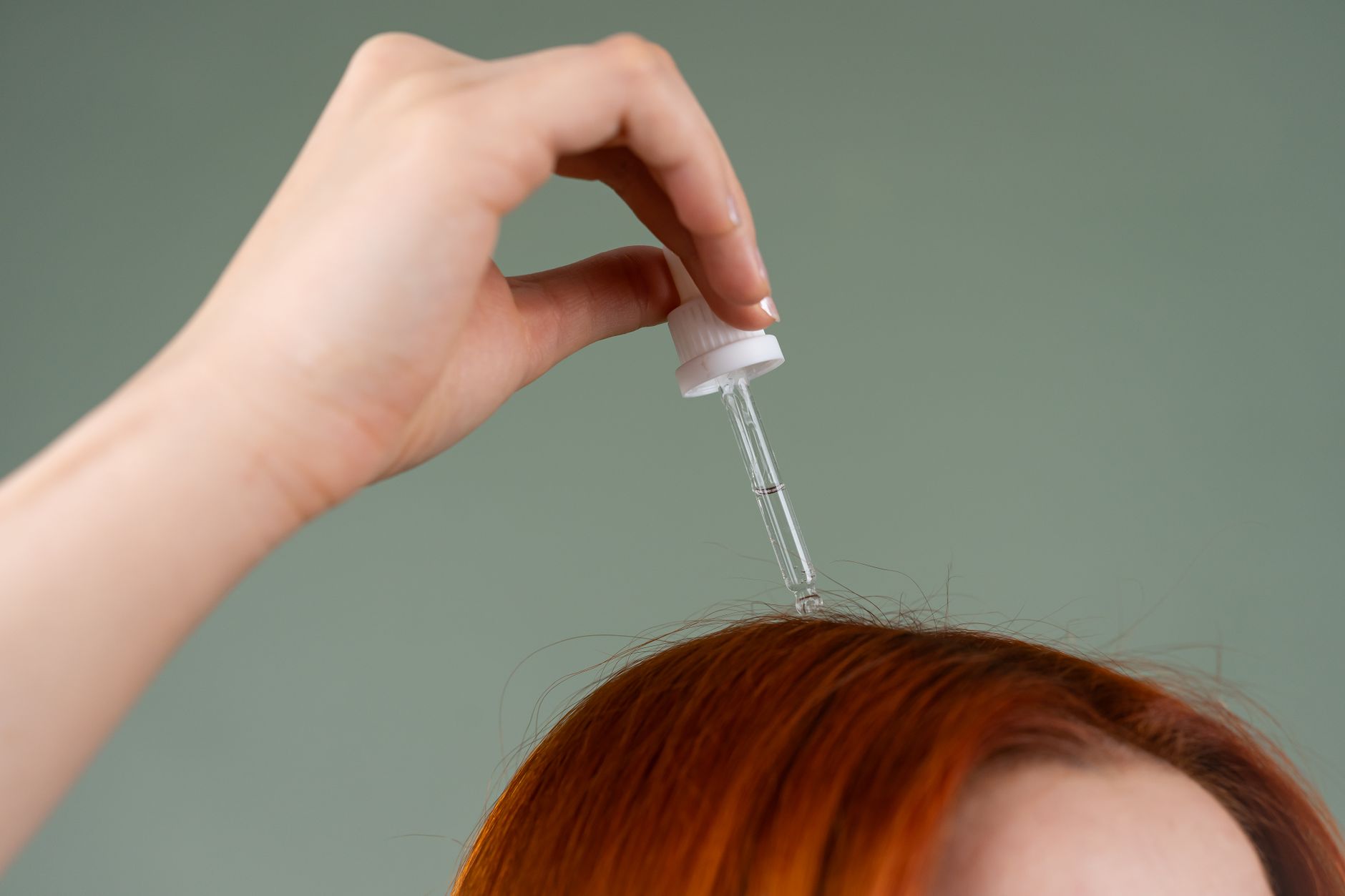
Consider Scalp Care
Healthy hair begins with a healthy scalp. Here are a few scalp care tips to promote optimal growth:
- Regularly cleanse the scalp to remove product buildup and excess oil.
- Use a gentle exfoliating treatment once a month to stimulate blood flow.
- Consider scalp massages to improve circulation and enhance hair growth.
Use Nourishing Hair Products
Opt for hair products tailored for thinning hair, which often contain ingredients like biotin, niacin, or keratin. Look for formulations designed to strengthen and protect hair while promoting volume.
Long-term Hair Health Strategies
Maintaining long-term hair health involves more than just adjusting your diet or changing medications. Here are additional strategies to support your hair:
Stay Hydrated
Drinking sufficient water is crucial for overall health, including hair health. Aim to drink at least eight glasses of water per day to maintain hydration.
Avoid Heat and Chemical Damage
If you are experiencing hair loss, reduce the use of heat-styling tools and chemical treatments. Gentle styling will minimize damage and prevent further loss.
Incorporate Supplements
If necessary, consider supplements specifically focused on hair health, such as biotin, collagen, or Omega-3 fatty acids. Always consult with a healthcare provider before adding new supplements to your routine.
Regular Trims
Getting regular trims helps remove damaged ends, reducing breakage and improving overall hair appearance. Aim for a trim every 6-8 weeks.
Staying Informed on GLP-1 Research
The relationship between GLP-1 medications and hair loss is still under review. Stay informed about the latest research, and communicate any new findings with your healthcare provider to ensure your treatment plan aligns with your overall health and beauty goals.
More on GLP-1 Medications and Hair Loss
If you want to explore further about GLP-1 medications and the potential risk of hair loss, refer to other resources:
Finding ways to manage beauty concerns regarding GLP-1 medications involves awareness, education, and communication. Understand that hair loss can stem from various causes, and caring for your hair holistically can help maintain its health through changes in treatment or lifestyle.
Explore guides on nourishing scalp care, balancing nutrition for healthy hair, or creating a stress-relief routine to further enhance your beauty regimen.