
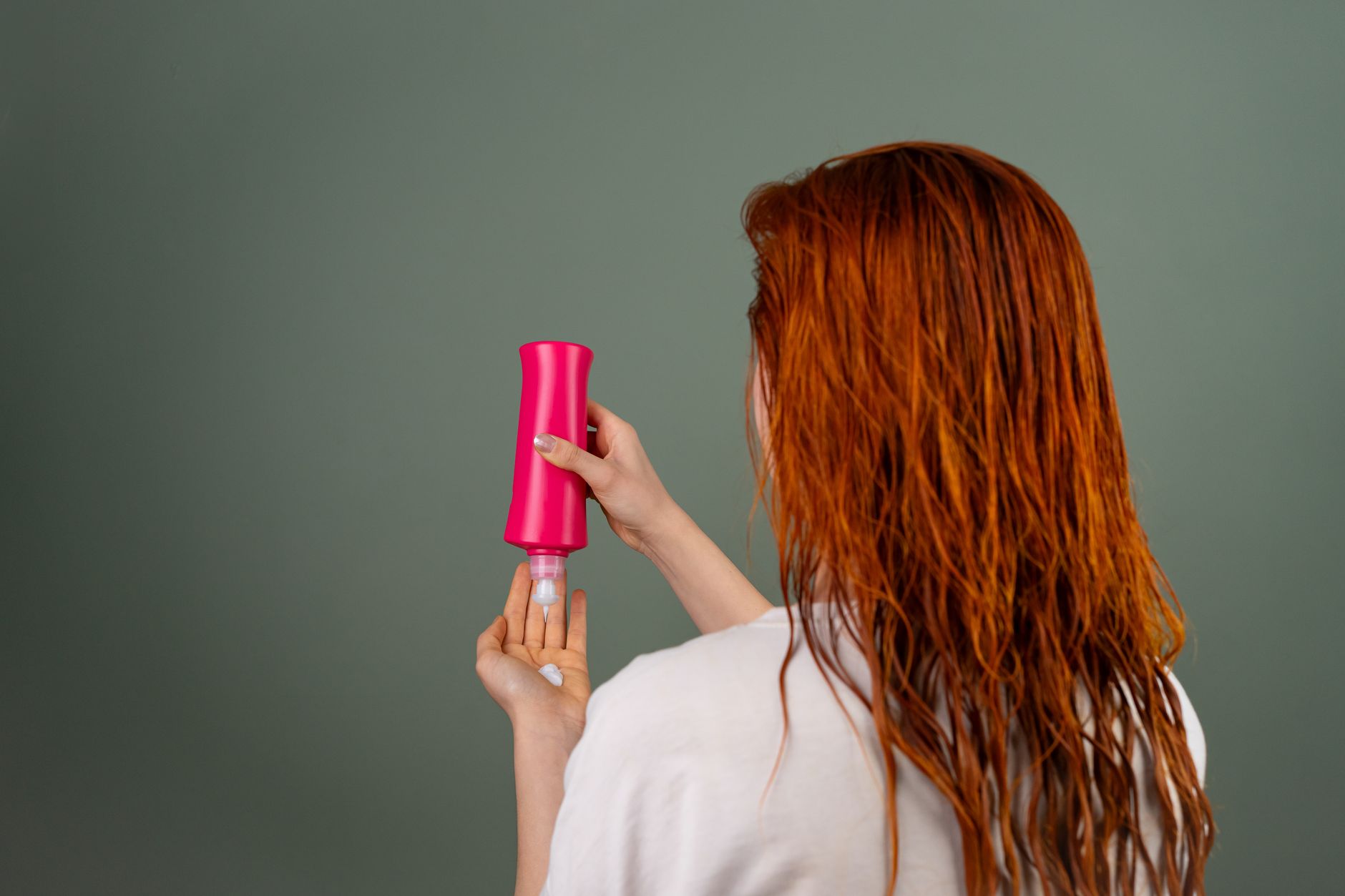
The debate over whether conditioner is bad for your hair often leaves many feeling confused and concerned about their hair care routine. While conditioners are widely regarded as essential for maintaining healthy hair, some fear they may cause buildup, leaving hair greasy or overly reliant on moisture. Understanding the potential risks and benefits of using conditioner can help you make informed decisions for your hair type.
This article will explore the various aspects of using conditioner, including its advantages, the risks associated with overuse, and tips for safe application. By the end, you will have a clearer understanding of whether conditioner is suitable for your hair and how to use it effectively.
Is Conditioner Bad for Your Hair?
In general, conditioner is not bad for your hair; it is designed to hydrate and nourish your strands, improving texture and manageability. However, overuse or the wrong type of conditioner for your hair can lead to negative effects, such as buildup or loss of natural volume. Individual hair type and needs play significant roles in determining how conditioner affects your hair.
Understanding Conditioner: What It Does for Your Hair
Conditioners serve multiple functions that help maintain hair health:
- Moisturizing: Conditioners provide hydration, which is critical for dry or damaged hair. They help to replenish moisture lost during washing, which can reduce frizz and improve shine.
- Detangling: Conditioners make it easier to comb through hair, reducing breakage and damage that can occur when hair is tangled.
- Protection: Many conditioners contain ingredients that coat the hair, providing a barrier against environmental stressors, heat styling, and chemical processing.
- Improved Texture: Conditioners can enhance hair texture, making it feel softer and smoother, leading to improved styling results.
Benefits of Using Conditioner
When used correctly, conditioners offer several essential benefits for hair health:
1. Hydration and Moisture Retention
Most hair types can benefit significantly from the hydration that conditioners provide. Whether your hair is fine and straight or coily and textured, moisture is vital for preventing breakage and maintaining elasticity.
2. Enhanced Manageability
Conditioners help combat tangles, especially in longer hair, by smoothing the cuticle and preventing hair from catching on itself. This ease of combing reduces the risk of breakage during styling.
3. Improved Appearance
With regular use, conditioners can make hair look shinier, healthier, and more vibrant. They enhance color, particularly for treated hair, and may help to prevent fading.
4. Protection Against Damage
Conditioners can help shield hair from environmental damage, including UV rays and pollution. Some formulations also include heat protectants to safeguard against thermal styling tools.
5. PH Balance
Understanding the Risks: Is Overusing Conditioner Harmful?
While conditioner is beneficial, overuse or incorrect application can yield negative outcomes:
1. Buildup
Heavy conditioners, particularly those with silicones, can lead to product buildup. This buildup may make hair appear greasy, dull, and limp. To avoid this, consider using a clarifying shampoo occasionally to remove residue.
2. Weighed Down Hair
Using too much conditioner or applying it too frequently can make hair feel heavy and lifeless. This is especially true for fine hair types that do not require the same amount of moisture as thicker or curlier hair.
3. Allergic Reactions
Some individuals may have allergies or sensitivities to specific ingredients in conditioners, leading to scalp irritation or dermatitis. Always check the ingredient list for known allergens.
4. Dependence on Products for Hydration
Relying solely on conditioner and neglecting proper hair hygiene or a balanced diet can lead to fragile hair. It’s essential to support hair health with overall good practices.
Choosing the Right Conditioner for Your Hair Type
Finding the right conditioner is crucial for maximizing its benefits while minimizing potential risks. Here’s how to select the right one:
1. Consider Your Hair Type
- Fine Hair: Look for lightweight conditioners that hydrate without weighing hair down. Avoid heavy oils and butters.
- Thick or Coarse Hair: Rich, creamy conditioners with moisturizing ingredients will help tame frizz and provide nourishment.
- Curly or Textured Hair: Curly hair benefits from products high in moisture, such as conditioners containing ingredients like shea butter or glycerin.
- Color-Treated Hair: Opt for sulfate-free and color-safe formulas that are specifically designed to protect hair color.
2. Ingredients to Look For
Some beneficial ingredients to seek out include:
- Cetrimonium Chloride: A common conditioning agent that reduces static and frizz.
- Silicones: Create a protective barrier and enhance shine but should be used in moderation to avoid buildup.
- Aloe Vera: Moisturizes without heaviness, making it suitable for all hair types.
- Protein: Ingredients like hydrolyzed keratin can strengthen hair but should be balanced with moisture.
3. Avoid Certain Ingredients
While many conditioners are beneficial, be cautious of certain ingredients that may not suit your hair:
- Sulfates: Cleansing agents that can strip natural oils, making them unsuitable for hair that’s already dry or damaged.
- Parabens: Preservatives that some prefer to avoid due to potential health concerns.
- Alcohols: Avoid drying alcohols, which can lead to dryness, especially in curly hair types.
How to Use Conditioner Effectively
Proper application is essential for maximizing the benefits of your conditioner:
- Shampoo First: Wash your hair with a suitable shampoo to remove dirt and oil. If you have a scalp buildup, consider using a clarifying shampoo occasionally.
- Rinse Thoroughly: After shampoo, rinse your hair well to ensure that no residues remain before applying conditioner.
- Application: Use an appropriate amount of conditioner based on your hair length and thickness. Start from mid-length to ends to avoid the roots, especially for fine hair.
- Leave In: Allow the conditioner to sit for a few minutes to maximize absorption. Use this time to detangle with a wide-tooth comb, starting from the ends.
- Rinse Again: Rinse with cool water to seal the hair cuticle, enhancing shine and locking in moisture.
Common Mistakes to Avoid
Let’s discuss common mistakes people make when using conditioner:
- Not Rinsing Well: Failing to rinse out conditioner thoroughly can lead to buildup and greasy hair.
- Overusing Product: Using too much conditioner can weigh down your hair, especially if it’s fine or limp.
- Using the Wrong Type: Not selecting a conditioner suitable for your hair type can lead to adverse effects.
- Ignoring Scalp Health: Applying conditioner to the scalp can lead to buildup and greasy roots.
Realistic Expectations: How Conditioner Affects Hair
While conditioner can make a noticeable difference in the appearance and texture of hair, it is not a magic solution. Alongside a proper conditioning routine, consider other factors that influence hair health:
- Diet: Nourishing your body with a balanced diet rich in vitamins and minerals is vital for healthy hair.
- Heat Styling: Limit the use of heat styling tools, as frequent use can negate the benefits of conditioning.
- Regular Trims: Getting regular trims can help remove split ends and maintain healthy hair.
- Hydration: Drinking enough water is equally important for the hydration of your hair.
When to Consult a Professional
If you experience persistent hair issues, such as excessive hair loss, thinning, or scalp irritations, it may be time to seek professional advice. A dermatologist or trichologist can help identify underlying issues and recommend appropriate treatments.
Conclusion
Conditioner itself is not bad for your hair; in fact, it plays an essential role in maintaining hydration, improving manageability, and enhancing overall hair health. However, it’s crucial to use the right type of conditioner based on your hair type and needs, as well as to avoid overuse. With the right knowledge and application, conditioner can be a beneficial staple in your hair care routine.
For those looking to fine-tune their conditioning routine, consider checking out our guide on how often to condition your hair and discover more about what Herbal Essences can do for your hair. Exploring these resources can help you select the best products and practices for your specific hair care journey.