
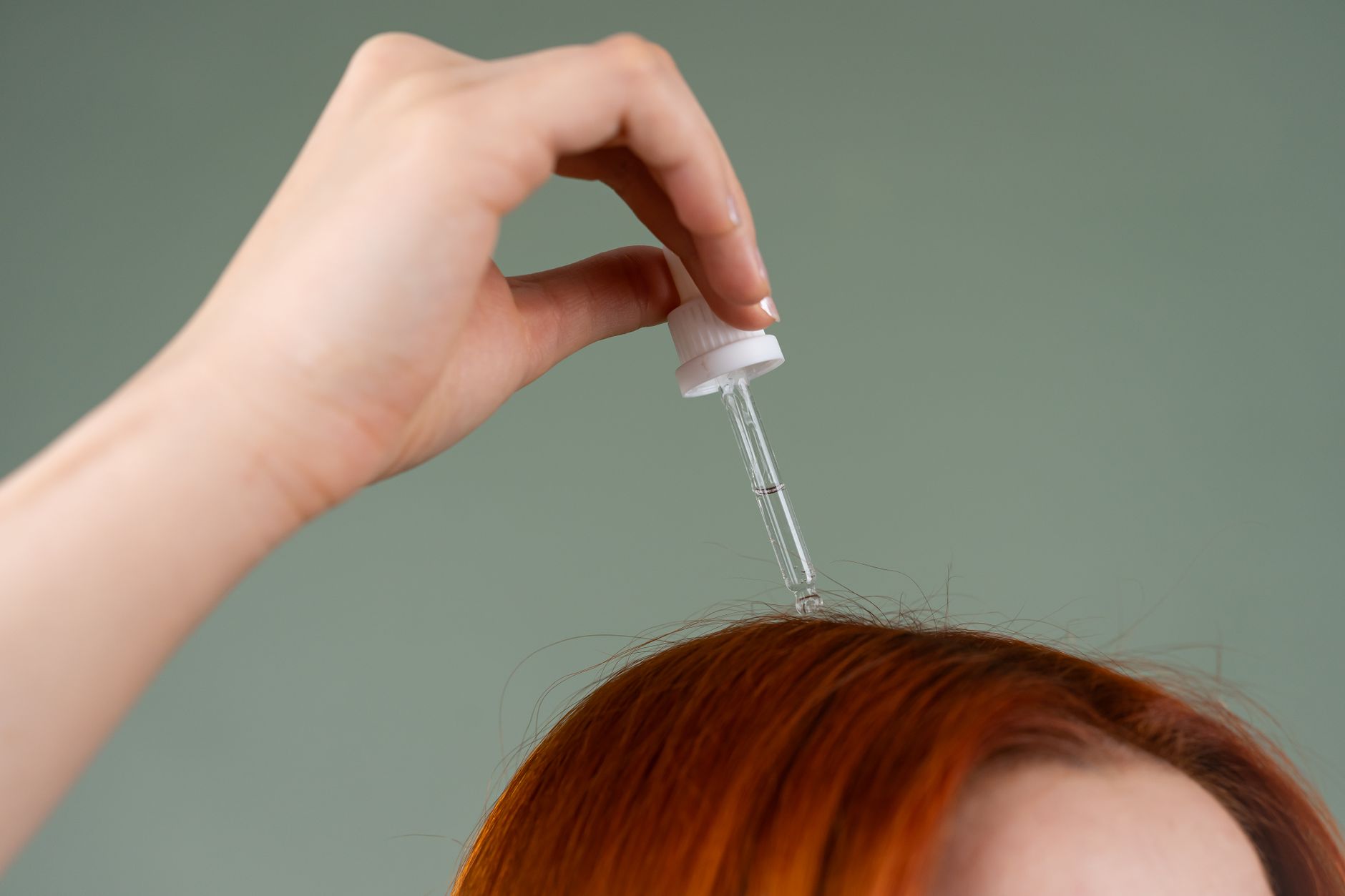
Dandruff can be an annoying and embarrassing condition, but with the right approach, you’ll be well on your way to a healthier scalp and flake-free hair. Understanding the causes of dandruff and how to effectively manage it is crucial. In this guide, we’ll explore various methods to get rid of dandruff through a comprehensive hair care routine.
Whether you’re dealing with a dry, flaky scalp or oily buildup, this article will provide you with practical tips, product recommendations, and a step-by-step routine to help you reclaim your confidence. Let’s get started on your journey toward a dandruff-free scalp!
How Do You Get Rid of Dandruff?
To effectively get rid of dandruff, it’s essential to adopt a well-thought-out hair care routine, which may include specialized shampoos, consistent scalp care, and adjustments in your lifestyle. Identifying the underlying cause will also help inform the best course of treatment.
Understanding Dandruff: Causes and Types
Dandruff can occur for several reasons, and understanding these causes can help you choose the right treatment. Here are some common factors:
- Dry Skin: Cold weather and dry air can lead to a dry scalp, causing flakes to form.
- Oily Skin: Excess oil can trigger scalp conditions that cause flaking and dandruff.
- Malassezia Fungal Infection: This yeast-like fungus is often found on the scalp and may cause irritation, leading to increased skin cell turnover.
- Skin Conditions: Conditions like eczema or psoriasis can lead to dandruff-like symptoms.
- Sensitivity to Hair Products: Allergies or sensitivity to certain hair care products can result in scalp irritation and flaking.
Step 1: Choosing the Right Shampoo
The first step in addressing dandruff is selecting an effective shampoo. There are various formulations designed specifically for dandruff, each with unique active ingredients:
Common Anti-Dandruff Shampoo Ingredients
- Pyrithione Zinc: This ingredient has antibacterial and antifungal properties, helping to reduce the yeast that can cause dandruff.
- Ketoconazole: A potent antifungal that can help combat severe dandruff and fungal infections.
- Salicylic Acid: This helps to exfoliate the scalp and reduce flaking.
- Coal Tar: A traditional remedy that can help slow down skin cell turnover and reduce flaking.
- Selenium Sulfide: Reduces yeast on the scalp and can help to decrease itching and flaking.
Step 2: Building Your Hair Care Routine
Incorporating a consistent hair care routine will help keep dandruff at bay. Here’s a basic guide to building an effective regimen:
Daily Hair Care Routine
- Shampooing: Use an anti-dandruff shampoo at least twice a week, or as directed. Allow it to sit on your scalp for a few minutes to maximize effectiveness before rinsing.
- Conditioning: Use a conditioner suitable for your hair type after shampooing. Focus on the hair strands rather than the scalp to avoid excess oil buildup.
- Scalp Massage: Gently massage your scalp during shampooing. This encourages blood circulation and promotes scalp health.
Weekly Hair Care Routine
- Exfoliation: Once a week, consider using a scalp scrub to remove dead skin cells and product buildup.
- Deep Conditioning: Applying a deep conditioner or hair mask can help maintain moisture levels and combat dryness.
Step 3: Natural Remedies for Dandruff
If you prefer a more natural approach, several remedies may help alleviate dandruff:
- Tea Tree Oil: This essential oil has antifungal properties that may help reduce dandruff. Mix a few drops with a carrier oil and massage it into your scalp.
- Aloe Vera: Known for its soothing properties, aloe vera can help calm irritated scalp and reduce flaking. Apply fresh aloe vera gel to your scalp and leave it for 30 minutes before washing it out.
- Coconut Oil: This oil can moisturize the scalp and reduce dryness. Apply it directly to the scalp and let it sit for a few hours before rinsing.
- Apple Cider Vinegar: It may help restore the scalp’s natural pH balance. Dilute it with equal parts water and apply it to your scalp before shampooing.
Step 4: Lifestyle Adjustments
Alongside your hair care routine, making some lifestyle changes can support your efforts in managing dandruff:
- Stay Hydrated: Drinking plenty of water keeps your scalp hydrated and can reduce dryness.
- A Balanced Diet: Incorporate foods rich in zinc, omega-3 fatty acids, and B vitamins, as these nutrients support scalp health.
- Minimize Stress: High-stress levels can exacerbate dandruff, so practicing stress reduction techniques like meditation or yoga may be beneficial.
- Limit Hair Product Use: Excessive use of hair products can lead to residue buildup that contributes to dandruff.
Step 5: Seeking Professional Help
If you’ve tried multiple treatments without success, it may be time to consult a dermatologist. They can evaluate your scalp condition and recommend prescription treatments or investigate underlying issues contributing to your dandruff.
Common Mistakes to Avoid
When trying to get rid of dandruff, it’s important to avoid these common mistakes:
- Over-Washing: Washing your hair too frequently can strip natural oils, worsening dryness.
- Ignoring Scalp Health: Focusing only on hair health and neglecting the scalp can slow your progress.
- Inconsistent Use: Skipping treatments or not following prescribed routines can lead to recurring dandruff.
Realistic Expectations
Managing dandruff is a process, and results will vary based on the individual. While some people may see improvements within a few days, others may take several weeks to notice significant changes. Consistency is key, and it’s important to find the right routine that works for you.
Conclusion
Getting rid of dandruff involves a combination of a targeted hair care routine, lifestyle adjustments, and occasional natural remedies. By being proactive and consistent in your approach, you can achieve a healthier scalp and reduce or eliminate dandruff.
For a more thorough exploration, check out our additional guides on how to get rid of dandruff and how to get rid of dandruff fast. Your journey to a flake-free look is just a few steps away!