
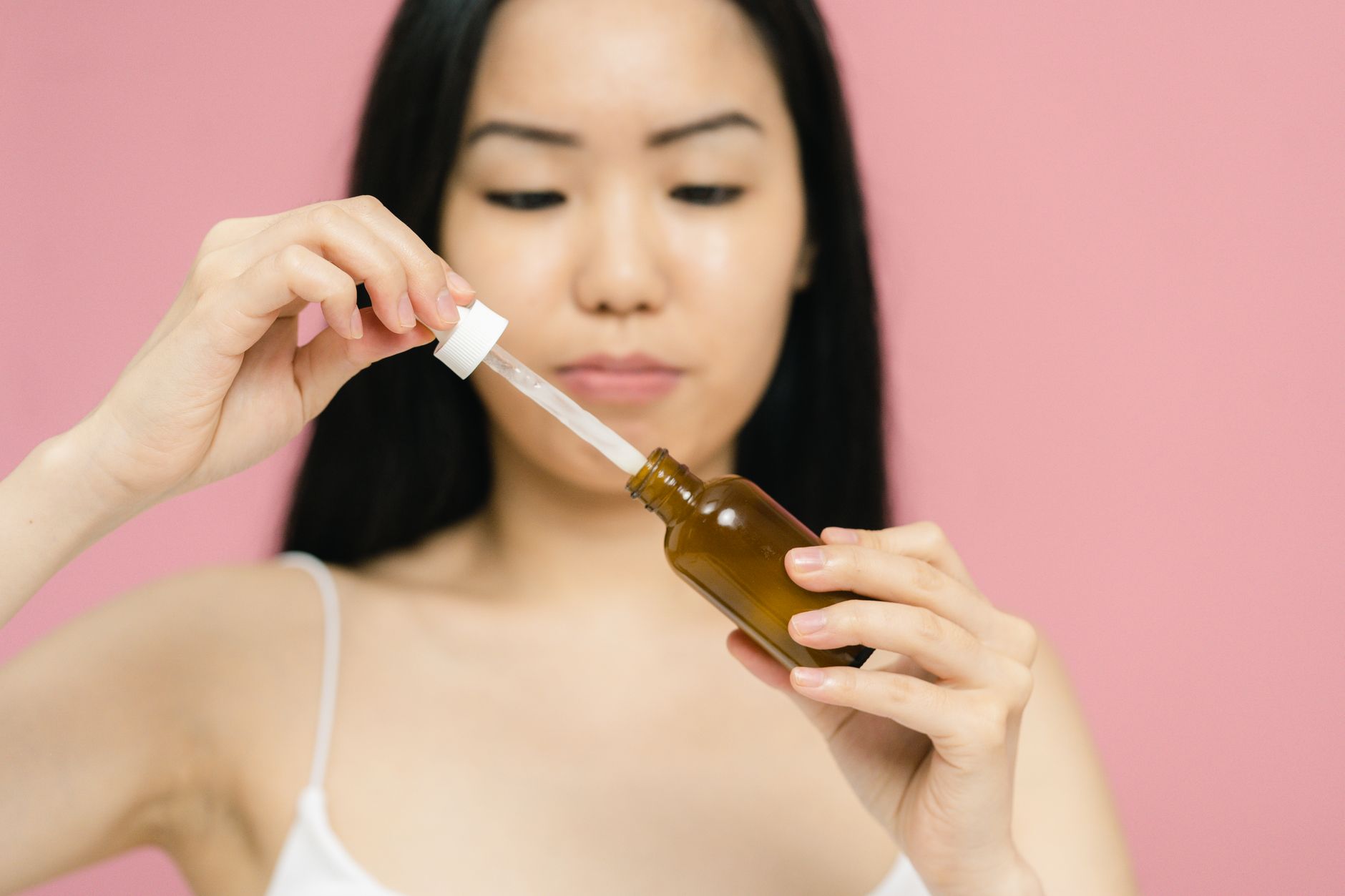
Peptides are gaining momentum in the beauty industry, known for their remarkable abilities to enhance skin, hair, and even nails. As small chains of amino acids, they serve as building blocks for proteins in our bodies, including collagen and elastin, which play crucial roles in skin health. This article reveals a list of various peptides and their specific benefits, helping you make informed decisions in your skincare routine.
Whether you are battling signs of aging, dryness, or uneven skin tone, understanding peptides can play a significant role in achieving your beauty goals. From moisturizers to serums, the integration of peptides can elevate your skincare routine and deliver multiple benefits.
What Are Peptides and What Do They Do?
Peptides are short chains of amino acids, the building blocks of proteins. They are found naturally in our bodies and contribute to several essential functions, particularly in skin health and repair. In skincare formulations, peptides act as signals that stimulate various skin functions. Here’s what peptides can do:
- Boost Collagen Production: Peptides stimulate collagen synthesis, leading to improved skin elasticity and firmness.
- Enhance Skin Barrier Function: Certain peptides reinforce the skin barrier, helping to retain moisture and prevent irritation.
- Reduce Inflammation: Anti-inflammatory peptides can soothe irritated skin and improve overall skin tone.
- Help with Wound Healing: Some peptides foster quicker skin regeneration, aiding in recovery from blemishes or irritation.
- Improve Skin Texture: Peptides can smooth out rough patches and promote a more even skin surface.
Types of Peptides and Their Benefits
Different types of peptides offer unique benefits tailored to various skincare concerns. Below are some of the most commonly used peptides in skincare, summarized for easier understanding:
1. Signal Peptides
Signal peptides are known for their ability to communicate with skin cells, prompting them to perform specific functions like collagen production and healing. They can effectively reduce the appearance of fine lines and wrinkles.
- Palmitoyl Pentapeptide-4: Often referred to as Matrixyl, this peptide encourages collagen synthesis and repairs skin damage.
- Acetyl Hexapeptide-8: Also known as Argireline, this peptide helps reduce the appearance of wrinkles by inhibiting the release of neurotransmitters that cause muscle contractions.
2. Carrier Peptides
Carrier peptides serve as vehicles to deliver other beneficial ingredients to the skin. They often contain essential minerals like copper that are crucial for skin repair.
- Copper Peptides: These support wound healing and reduce signs of aging by stimulating collagen and elastin production.
- Zinc Peptides: Beneficial for inflammatory skin conditions, these help regulate oily skin and support healing.
3. Inhibitory Peptides
Inhibitory peptides prevent certain enzymes that break down collagen, thus helping to maintain skin firmness and elasticity.
- Palmitoyl Tripeptide-1: This peptide inhibits enzymes that degrade the skin matrix, helping to reduce wrinkles.
- Matrixyl 3000: A blend of peptides that work to stimulate collagen production and improve skin texture.
4. Neurotransmitter-Inhibiting Peptides
These peptides minimize wrinkles by relaxing facial muscles, akin to the effect of Botox but in a gentler manner.
- Argireline: As mentioned earlier, this peptide can help reduce the depth of wrinkles caused by muscle contraction.
- Acetyl Octapeptide-3: Similar to Argireline, this peptide reduces the appearance of expression lines by blocking neurotransmitter signals.
5. Antimicrobial Peptides
These peptides help the skin fight off bacteria and infections, which is particularly beneficial for acne-prone skin.
- LL-37: Known for its antibacterial properties, LL-37 helps inhibit the growth of bacteria on the skin.
- Defensins: These work to regulate skin inflammation and enhance the skin’s natural defense mechanisms.
Incorporating Peptides Into Your Skincare Routine
To see the benefits of peptides, proper incorporation into your skincare routine is crucial. Here’s how to effectively use peptide-infused products:
- Cleanse: Begin with a gentle cleanser to prepare your skin for subsequent treatments.
- Toner: Use a hydrating toner to balance your skin’s pH and enhance the absorption of peptides.
- Apply Peptide Serum: Choose a serum rich in peptides and apply it directly to clean skin, allowing it to penetrate deeply.
- Moisturize: Seal in the peptide goodness with a hydrating moisturizer that complements the serum.
- Use Sunscreen: In the morning, always follow your routine with a broad-spectrum sunscreen to protect your skin.
Morning and Evening Routines
Peptides can be used both in morning and evening routines. However, it’s essential to choose products based on your specific needs and the time of day.
- Morning: Incorporate light-weight peptides that hydrate and protect against environmental stressors.
- Evening: Utilize richer formulations that focus on repair and rejuvenation as your skin regenerates overnight.
Tips for Selecting Peptide Products
With countless peptide-infused products available on the market, selecting the right ones can be overwhelming. Here are some practical tips:
- Read Labels: Look for the specific types of peptides mentioned in the product ingredient list.
- Consider Your Skin Type: Choose formulations that suit your specific skin concerns, whether it be dryness, acne, or signs of aging.
- Patch Test: Always perform a patch test before incorporating new products into your routine.
- Simple Ingredients: Opt for products with shorter ingredient lists, as they often contain fewer irritants.
- Consult Reviews:
Check reviews to gauge the effectiveness of the product and how other users with similar skin types have responded.
Common Mistakes to Avoid When Using Peptides
To maximize the effectiveness of your peptide products, here are some common mistakes to avoid:
- Overuse: Too much of a good thing can lead to irritation. Follow product guidelines for the best results.
- Ignoring Consistency: Skincare results take time. Be consistent and patient to see the benefits.
- Using Competing Actives: Be cautious when layering peptides with other active ingredients (like retinol or acids) to prevent irritation.
- Not Applying Alone: If you’re using peptide serums, let them absorb fully before layering with other products.
Realistic Expectations with Peptides
While peptides have numerous benefits, it’s important to have realistic expectations. Peptides may help improve skin health and appearance but will not provide miracle results overnight. Consistent use of the right products is key. Results can vary based on skin type, age, and overall skincare routine, typically becoming noticeable after a few weeks to a few months.
Peptides in Haircare and Other Beauty Products
Peptides aren’t only beneficial for the skin; they play important roles in haircare and other beauty products as well. In haircare, peptides can strengthen strands, support growth, and enhance overall hair health.
- Hydrolyzed Keratin: Strengthens hair and adds moisture, reducing breakage and enhancing shine.
- Rice Peptides: Support healthy hair growth and add volume to fine hair.
- Arginine: An amino acid that improves blood circulation to the scalp, promoting healthier hair follicles.
Peptides for Nail Care
Some nail care products also incorporate peptides to nourish and strengthen nails, reducing breakage and enhancing resilience. Look for nail strengtheners containing:
- Hydrolyzed Silk: Helps formulate a protective barrier and improves the overall look of nails.
- Marine Peptides: Known to enhance nail health, preventing brittleness.
Peptides in Cosmetic Treatments
In addition to topical products, some cosmetic procedures employ peptides within treatments to enhance results. Consult with beauty or medical professionals to explore these options if you’re interested.
Conclusion
Peptides are a versatile and effective addition to any skincare routine, offering a range of benefits from anti-aging properties to enhanced hydration. Understanding the different types of peptides and their roles can help you choose the right products for your beauty goals. Start incorporating peptides into your routine today, and remember to be patient as you work towards achieving your desired results!
To further enhance your beauty knowledge, consider exploring related beauty guides like what salicylic acid does or what snail mucin does for additional skincare insights.