
The journey to beautiful hair often involves more than just your regular shampoo and conditioner. When it comes to coloring your hair, the term “developer” emerges frequently, especially in conversations about hair dyeing. Understanding what developer does to hair is crucial for anyone looking to achieve their desired hair color safely and effectively.
In this article, we will explore the function of developer in the hair coloring process, its various types, and essential hair care tips you should know. Whether you’re a DIY enthusiast or prefer to visit a salon, equipping yourself with knowledge about developer will enhance your hair color experience.
What Does Developer Do to Hair?
Developer, also known as peroxide, is a vital component in hair dyeing, especially when it comes to permanent and demi-permanent dyes. Its primary role is to open the hair cuticle, allowing color molecules to penetrate the hair shaft. In essence, without developer, the hair coloring process would be ineffective, leading to insufficient or no color change.
Moreover, developer helps to lighten the natural pigment of the hair, facilitating better color application. The combination of developer with hair dye activates the chemical reaction necessary for achieving vibrant and long-lasting results. Understanding how developer interacts with hair can help you make informed choices about your coloring options.
Types of Developer and Their Uses
Not all developers are the same. They come in various strengths, often referred to as volumes, which indicate how much lift they provide when mixed with hair dye. Here are the common types of developers:
- 10 Volume (3% peroxide): This developer is used for deposit-only color applications. It doesn’t lift the natural color of the hair, making it ideal for enhancing existing colors or adding subtle tones.
- 20 Volume (6% peroxide): The most commonly used developer for hair coloring, 20 volume lifts the hair color by one to two levels. It’s suitable for covering gray hair and achieving medium color changes.
- 30 Volume (9% peroxide): This stronger developer is used for lifting the hair color by two to three levels. It’s often chosen for lightening hair significantly or when using fashion colors that require more lift.
- 40 Volume (12% peroxide): This is the strongest developer available and can lift hair color by three to four levels. It’s typically used in professional settings for drastic color changes but should be applied with caution due to its potential for damage.
How Developer Affects Different Hair Types
The impact of developer on hair can vary drastically based on hair type, texture, and condition. Here’s how developer interacts with various hair characteristics:
Fine or Thin Hair
Fine hair is more susceptible to damage, making it essential to use a lower volume developer. It is advisable to stick to 10 or 20 volume to avoid compromising the hair’s health. Over-processing can lead to breakage, so be cautious with application time.
Thick or Coarse Hair
Thicker hair usually requires a stronger developer for effective color absorption. A 20 or even 30 volume developer can work well, but be mindful of the hair’s overall health and moisture levels. Regular conditioning treatments can help maintain thickness and strength.
Curly or Textured Hair
Curly and textured hair often has more porosity, which can influence how developer interacts with the hair. If your curls are healthy, you might opt for a higher volume developer, but always ensure to do a patch test first. Additionally, using a moisturizing treatment before and after coloring can assist in keeping curls defined and healthy.
The Coloring Process with Developer
When coloring hair, the developer needs to be mixed with the dye according to the manufacturer’s instructions. Here is a general guide on how to apply hair dye with developer:
- Preparation: Start by wearing gloves and old clothing. Ensure your workspace is protected from stains.
- Mixing: In a non-metallic bowl, mix the desired amount of dye with an appropriate volume of developer as per the instructions—generally, the ratio is 1:1 or 1:2.
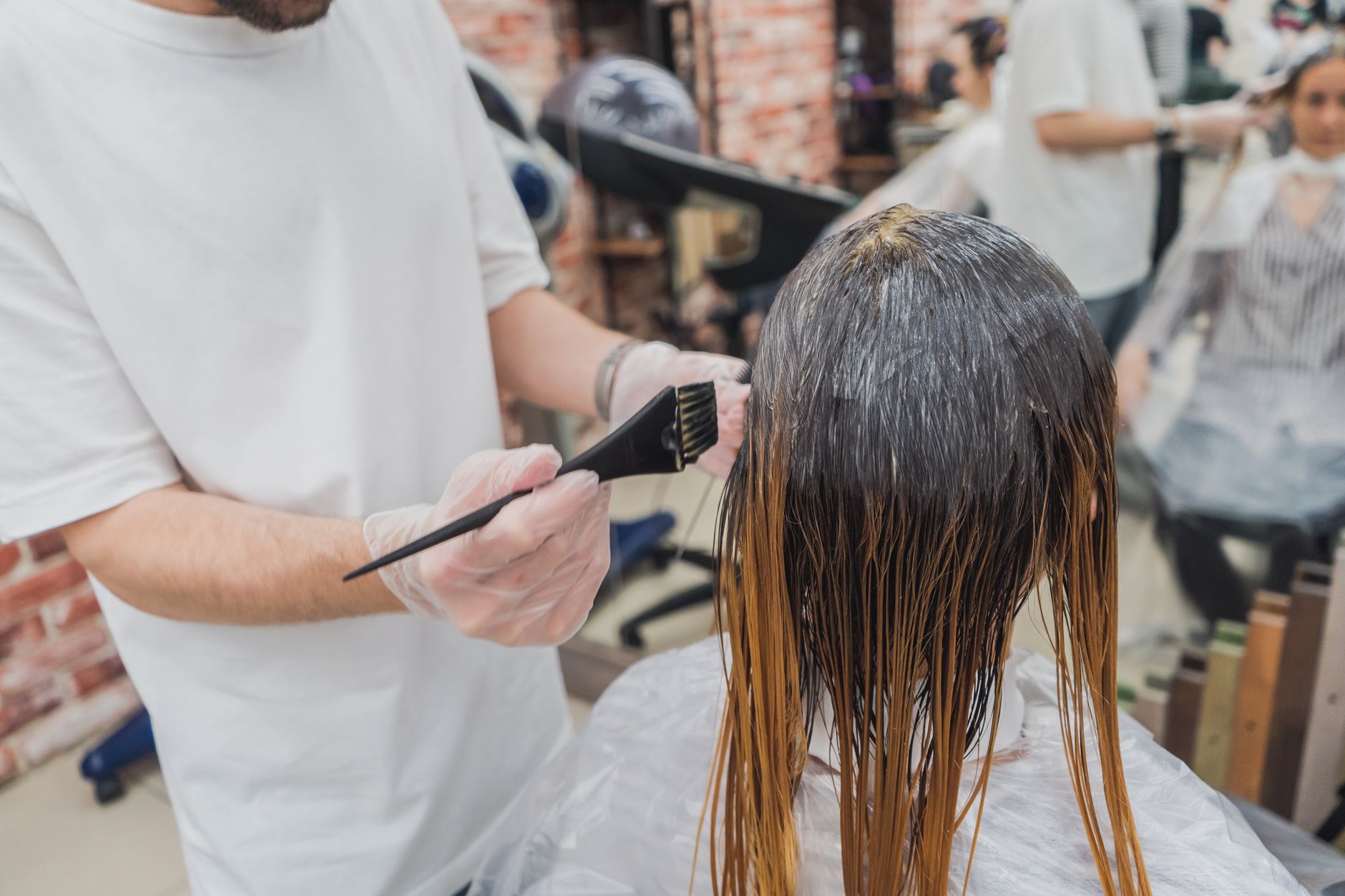
- Application: Section the hair into manageable parts and apply the mixture evenly, starting from the roots to the ends. Use a tint brush for precise application.
- Processing Time: Allow the hair color to process as indicated on the label. Monitor your hair closely to avoid over-processing.
- Rinsing: Once the processing time is up, rinse the hair thoroughly with lukewarm water until the water runs clear. Follow up with a color-safe conditioner.
Common Mistakes to Avoid When Using Developer
While using developer for hair coloring can produce stunning results, there are common pitfalls to avoid. Here are some key mistakes:
- Not Performing a Patch Test: Always conduct a patch test before coloring to ensure you don’t have an allergic reaction to the dye or developer.
- Ignoring Developer Volume: Using a higher volume developer than necessary can lead to damage, breakage, or unwanted results. Stick to the lowest effective strength for your hair type.
- Failing to Follow Directions: Each product has specific mixing and application instructions. Skipping steps or deviating from these can affect the final outcome.
- Over-processing: Keeping the dye on too long can lead to severe dryness and damage. Set a timer to avoid exceeding the recommended processing time.
Hair Care Tips After Using Developer
After coloring your hair with developer, it’s crucial to adopt a hair care routine that supports its health and vibrancy. Here are some tips:
- Regular Conditioning: Use a deep conditioning treatment once a week to restore moisture and elasticity to your hair.
- Use Color-Safe Products: Opt for shampoos and conditioners designed for color-treated hair. These products often include ingredients that prevent fading and help maintain vibrancy.
- Avoid Heat Styling: Limit the use of heat styling tools to prevent further damage and breakage. If you must use heat, apply a thermal protectant beforehand.
- Trim Regularly: Regular trims help remove any split ends and keep the hair looking fresh and healthy.
- Stay Hydrated: Just like your body, your hair needs hydration. Drink plenty of water to support overall hair health.
What to Expect After Chemical Processing
After using developer on your hair, you may notice several changes. Here’s what you can generally expect:
- Color Change: Depending on the developer and dye used, expect a noticeable change, which can be dramatically different from your natural shade.
- Texture Changes: Some people experience changes in hair texture. Hair may feel different immediately after dyeing; it could be drier or more brittle, necessitating extra care.
- Fade Over Time: Hair color will fade over time due to washing, sun exposure, and product use. To maintain color, use sulfate-free shampoos and limit exposure to direct sunlight.
- Possible Dryness: Developer can strip some natural oils from the hair, leading to potential dryness. A good hair conditioner is your best friend post-coloring.
Conclusion
Understanding what developer does to hair is essential for anyone interested in hair coloring. By knowing how it works and its implications on different hair types, you can make informed decisions that lead to beautiful results.
Whether you choose to visit a professional or take on the challenge of DIY coloring, the right approach to using developer can result in stunning hair color that lasts. Always prioritize hair care practices to keep your locks vibrant and healthy.
For further reading, check out our guides on what toner does to hair and what demi-permanent hair color is for a deeper dive into maintaining your hair color.