
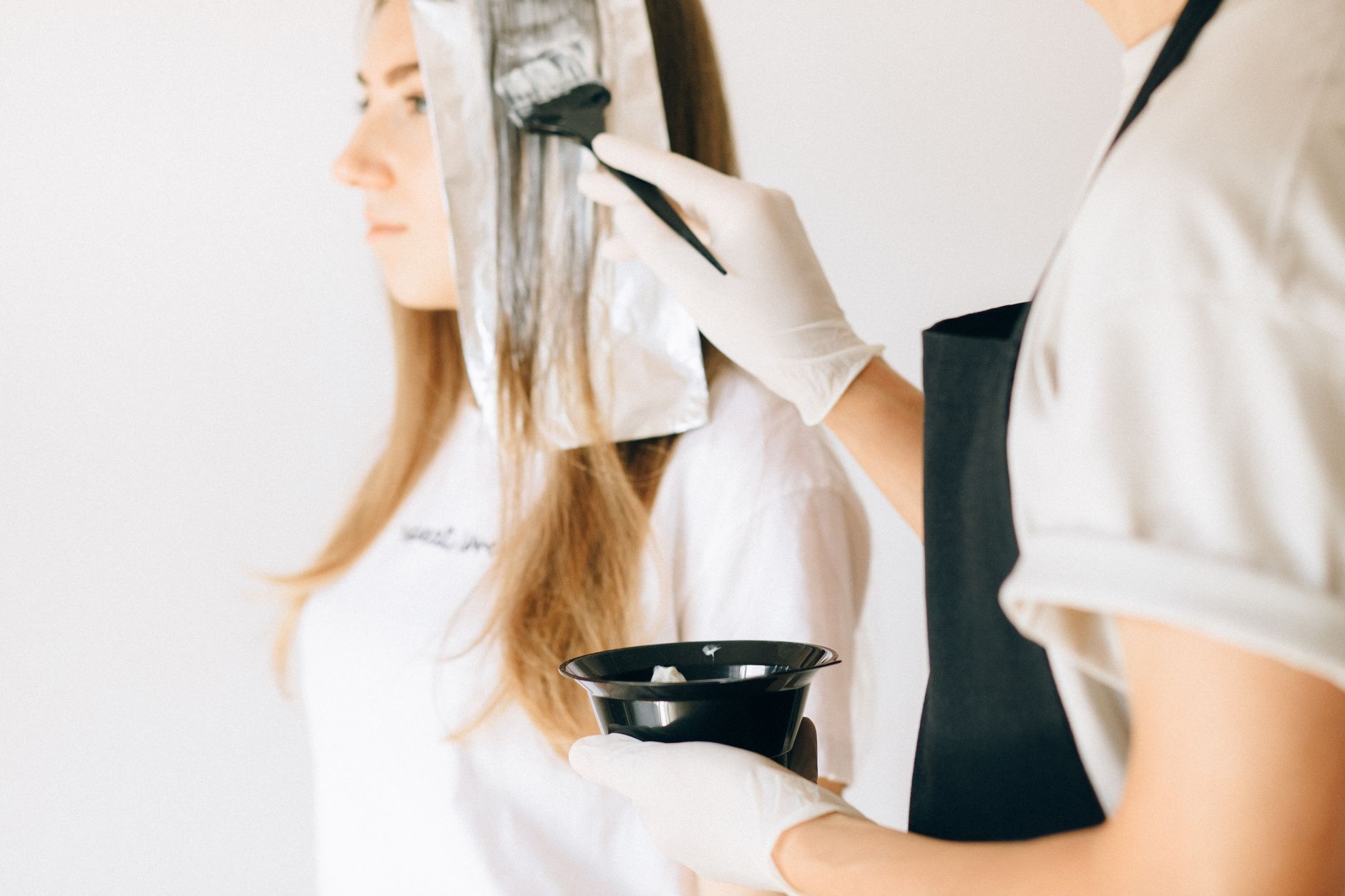
Many hair enthusiasts ask, “What does toner do to hair?” Understanding the role of hair toner is essential for achieving your desired color and overall hair health. This article will explore how toner works, its benefits, and how it can enhance your hair care routine.
Hair toner is often associated with color-treated hair, particularly blonde, gray, or highlighted tresses. By addressing unwanted undertones, toner plays a vital role in refining your hair color. Whether you’re a salon regular or a DIY hair colorist, knowing how toner can work with your hair is crucial.
What Does Toner Do to Hair?
At its core, toner helps to neutralize unwanted tones in hair color. For instance, if you’ve dyed your hair blonde and are seeing brassiness or yellow tones, toner can help balance these out, leading to a more polished look. Toner doesn’t lighten hair; rather, it alters existing hues to create the shade you desire.
The most common use of toner is for blonde and gray hair, but it can benefit various shades. Toners contain special pigments that complement or counteract certain colors, thus refining the overall appearance.
How Does Toner Work?
To understand how toner works, one must delve into the chemistry of hair color. The natural color of your hair comes from melanin, but when you dye your hair, the melanin is often stripped away to allow new dyes to take its place. This process can lead to unexpected undertones.
Hair toners typically fall into two categories: semi-permanent and permanent. Semi-permanent toners usually contain gentle alkaline agents that deposit pigment, while permanent toners use stronger compounds to alter the hair’s overall color. When applied, these formulations work on the hair’s cuticle layer to deposit color.
Color Theory
The application of toner relies heavily on color theory. In basic color theory:
- Yellow and purple are opposites, meaning purple cancels out yellow hues.
- Orange and blue work similarly to neutralize unwanted orange tones.
- Red and green pigments can balance red tones in hair.
When selecting a toner, understanding your hair’s underlying pigment will help you choose the right shade of toner for your desired look.
Benefits of Using Toner on Hair
While the primary function of hair toner is to adjust color, it offers a range of other benefits that enhance hair quality and appearance.
1. Neutralizes Unwanted Tones
The most significant benefit of hair toner is its ability to neutralize unwanted tones. For example, if you’ve dyed your hair blonde and it appears overly warm or brassy, a cool-toned toner can bring balance and harmony to your hair color.
2. Enhances Shine
Toners can boost the shine of your hair. Many toners contain ingredients like dimethicone, which can add smoothness and radiance. This shine enhancement is especially noticeable on colored hair, which can sometimes look dull after dyeing.
3. Improves Hair Condition
Some toners include conditioning agents that help nourish and soften hair. Look for toners with ingredients like oils or proteins to ensure they not only adjust color but also maintain hair health.
4. Adds Depth to Color
Toners can add depth and dimension to your hair color. By enriching the base tone with undertones, toners can create a more visually appealing and dynamic look. This is particularly useful for those with brown hair looking to add richness.
5. Customizes Your Hair Color
If you’re someone who frequently changes hair colors, toner can help you achieve a customized shade. It allows for fine-tuning after the initial dye job, enabling you to adjust the hue until it meets your expectations.
Who Should Use Toner?
Toner is suitable for anyone who colors their hair but is especially beneficial for:
- Blondes who experience brassiness.
- Gray-haired individuals looking for a more polished appearance.
- Those with colored hair who want to maintain vibrancy.
- Hair that has been stripped of color through bleaching or dyeing.
Understanding your specific hair needs will guide you in determining whether toner is the right choice for you.
How to Choose the Right Toner
When selecting a toner, it’s essential to consider the following factors:
1. Undertones of Your Hair
Identifying the underlying tones in your hair helps in selecting the proper toner. If your hair is showing yellow tones, go for a purple toner; for orange tones, opt for blue.
2. Hair Type
The hair type can influence the selection of toner. Coarse, thick hair may benefit from stronger formulations, while fine hair may require a gentler formula.
3. Desired Result
Consider what you want to achieve with the toner. Whether it’s neutralizing brassiness or enhancing shine, knowing your goals will streamline your selection process.
4. Formulation
Whether you prefer a semi-permanent or permanent toner may vary, depending on how frequently you dye your hair and how long you want the effects to last.
How to Apply Toner
Applying toner can be done at home or in a salon setting. If you opt for at-home application, follow these steps:
- Gather Your Supplies: You’ll need toner, a developer (10 or 20 volume), gloves, a brush, and a bowl for mixing.
- Prepare Hair: Start with clean, dry hair. Applying toner on dirty or damp hair may lead to uneven results.
- Mix the Toner: Follow manufacturer instructions to mix the toner and developer in a bowl.
- Section Your Hair: Divide your hair into four sections using clips to ensure even application.
- Apply the Toner: Using a brush, begin applying the toner from the roots to the ends, ensuring even coverage throughout.
- Wait: Allow the toner to process according to the instructions, usually between 10 and 30 minutes.
- Rinse and Condition: Rinse your hair thoroughly with cool water and follow up with a good conditioner to hydrate your hair.
For best results, always refer to the product instructions.
Common Mistakes When Using Toner
Even seasoned hair colorists can make mistakes when using toner. Here are some common errors to avoid:
- Not Choosing the Right Shade: Always ensure you select a shade that complements your hair’s existing color.
- Leaving Toner On Too Long: Over-processing with toner can lead to an undesired hue, so stick to the recommended timing.
- Applying on Wet Hair: Toner should ideally be applied on dry, clean hair for even results.
Maintaining Toner Results
After applying toner, maintaining your toned color is essential. Here’s how to keep your hair looking fresh:
- Use Color-Safe Products: Opt for shampoos and conditioners designed for color-treated hair to prevent fading.
- Limit Washing Frequency: Overwashing can strip color; aim to wash hair every few days using dry shampoo if needed.
- Protect from Heat: Always apply a heat protectant before using styling tools to reduce damage.
How Often Should You Use Toner?
The frequency of toner application varies based on your hair type and color. As a rule of thumb:
- Use toners every 4 to 6 weeks if maintaining blonde or highlighted hair.
- Less frequent applications may be suitable for darker shades or less processed hair.
Adjust your toner application based on how quickly your hair fades or changes tone.
FAQs About Hair Toners
1. Can toner damage my hair?
While most toners are designed to be gentle, overuse or misapplication can lead to dryness. Always follow instructions and use conditioning treatments afterward.
2. Does toner work on all hair types?
Yes, toner can be used on all hair types, but the formulation may need to be adjusted based on texture and porosity.
3. Can I use toner on my natural hair color?
Yes, toner can be used to adjust and enhance natural color, especially if you want to add cool or warm tones.
4. Is toner the same as hair dye?
No, toner isn’t the same as hair dye. While dye changes the overall color, toner fine-tunes existing hues.
Conclusion
Toner is a versatile product that can significantly enhance and maintain your hair color. By neutralizing unwanted tones and adding depth and shine, toner can transform your look. Choose the right toner for your hair type and desired result, and always follow manufacturer instructions for the best outcome. Enjoy exploring the world of hair toners!
For more beauty insights, check out our guide on how to make rosemary water for hair and learn about what hair gloss is. These resources can add even more value to your hair care routine.