
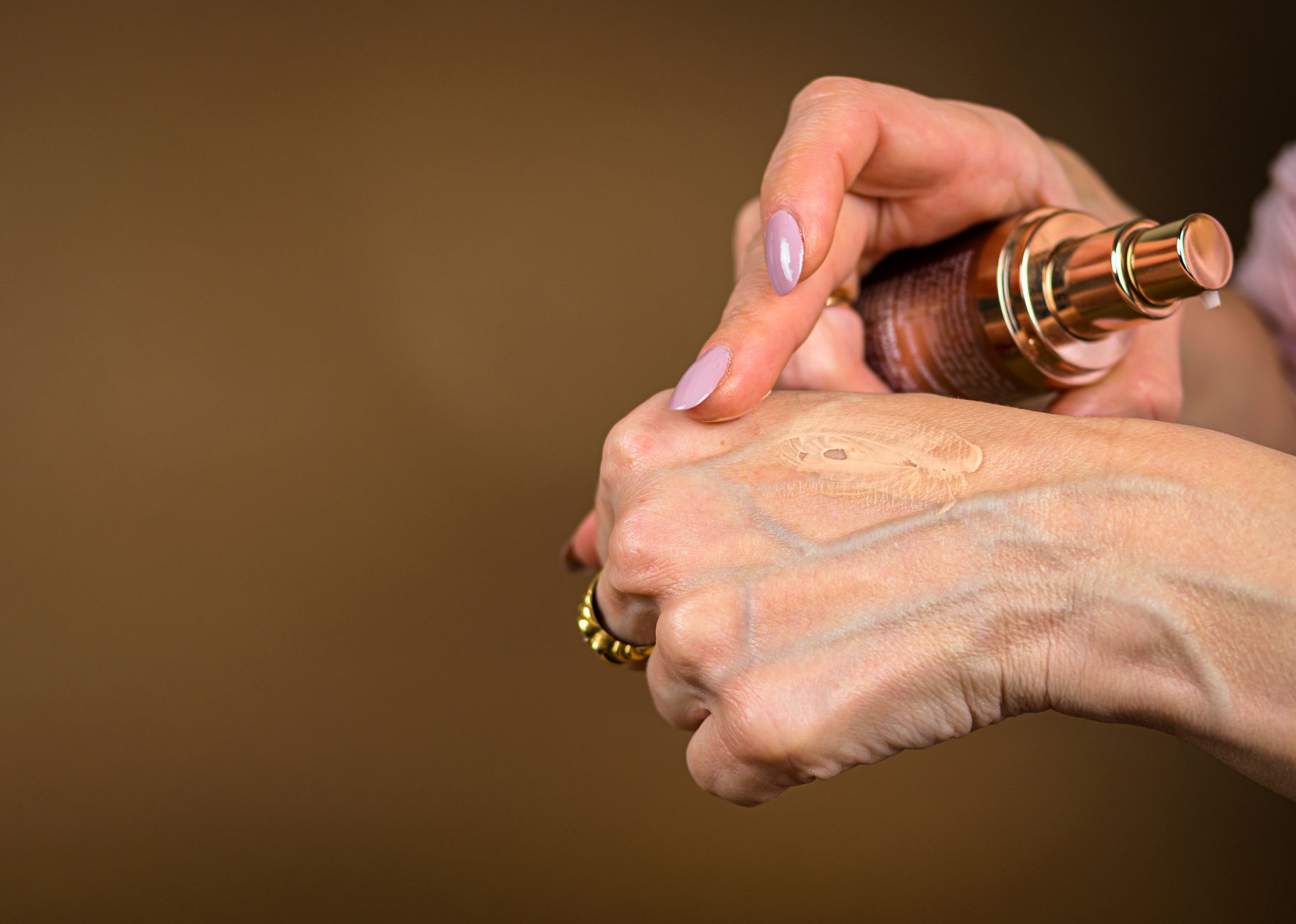
Crepey skin is a common skin concern that many people experience as they age. It refers to skin that appears thin, wrinkled, and lacks elasticity, resembling crepe paper. Often found on areas such as the arms, thighs, and neck, crepey skin is the result of various factors, including aging and environmental damages.
Understanding what causes crepey skin can help you take preventative measures and explore treatment options. In this guide, we’ll discuss the causes, signs, and effective treatment methods for crepey skin, enabling you to achieve healthier and more youthful-looking skin.
What Is Crepey Skin?
Crepey skin is a texture issue characterized by a crinkled or sagging appearance. This condition typically manifests in areas with less oil production and where the skin is more prone to damage from UV exposure and aging. As the skin loses its natural elasticity and moisture, it can develop fine lines and an uneven texture.
Causes of Crepey Skin
A range of factors contributes to the development of crepey skin, including internal and external influences. Understanding these causes can guide your approach to treatment and prevention.
1. Aging
As we age, our skin naturally loses collagen and elastin, two proteins that provide structure, firmness, and elasticity. The decrease in these proteins leads to sagging and the formation of fine lines.
2. Sun Exposure
Prolonged exposure to the sun’s UV rays can damage the skin’s fibers, accelerating the aging process and leading to crepey skin. Sun damage is a major factor, particularly for those who do not consistently use sunscreen.
3. Dehydration
Dry skin can become crepey as it loses moisture. Factors contributing to dehydration include environmental conditions, such as dry air, and inadequate hydration.
4. Smoking
Smoking can significantly impact the skin’s appearance by reducing blood flow and nutrient delivery, resulting in premature aging and a crepey texture.
5. Rapid Weight Loss
Significant weight loss can leave the skin with excess tissue that lacks elasticity. This can result in sagging or crepey skin, particularly in areas where fat has been lost quickly.
6. Genetics
Genetics can play a role in skin aging. If crepey skin runs in your family, you may be more predisposed to developing this condition earlier.
Signs of Crepey Skin
Identifying crepey skin is relatively straightforward. Look for the following signs:
- Visible fine lines and wrinkles.
- Loose or sagging skin in areas such as the arms, neck, and thighs.
- A papery texture that appears thin and fragile.
- Lack of elasticity; skin may feel less firm when pinched.
Treatment Options for Crepey Skin
Treating crepey skin involves a combination of lifestyle adjustments, topical applications, and, in some cases, professional treatments. Here’s a comprehensive approach to addressing crepey skin.
1. Topical Treatments
Several topical products can help improve skin texture, boost hydration, and promote collagen production. Here are some categories to consider:
- Moisturizers: Choose creams or lotions infused with hyaluronic acid, glycerin, or ceramides to help plump and hydrate the skin.
- Retinoids: Retinoids, or vitamin A derivatives, can stimulate collagen production and improve skin texture. Start with lower concentrations to minimize irritation.
- Peptides: Peptides are small proteins that can help improve skin elasticity and firmness.
- Exfoliants: Chemical exfoliants like alpha-hydroxy acids (AHAs) or beta-hydroxy acids (BHAs) can help remove dead skin cells, promoting smoother skin.
- Sunscreen: Daily application of a broad-spectrum sunscreen is essential for preventing further UV damage.
2. Healthy Lifestyle Choices
Habits such as staying hydrated and maintaining a balanced diet can play a significant role in skin health:
- Hydration: Drinking enough water helps keep the skin plump and reduces dryness.
- Healthy Diet: Incorporate antioxidants, vitamins, and healthy fats, like omega-3s, to support skin elasticity. Foods rich in vitamins C and E can also promote skin health.
- Avoid Smoking: Quitting smoking can help improve circulation and restore skin vitality.
3. Professional Treatments
If topical treatments and lifestyle changes do not yield desired results, consider professional treatment options:
- Laser Therapy: Laser treatments can stimulate collagen production and improve skin texture.
- Microneedling: This treatment involves tiny needles that create micro-injuries in the skin, prompting its natural healing response and collagen production.
- Chemical Peels: Chemical peels can help exfoliate the skin and remove dead skin cells, improving overall texture and appearance.
- Fillers: Hyaluronic acid fillers can temporarily restore volume to areas with significant creping.
- Radiofrequency Treatments: This non-invasive treatment can help tighten loose skin by stimulating collagen production through heat.
Preventing Crepey Skin
While some factors, such as aging and genetics, cannot be avoided, there are practical steps you can take to reduce the risk of developing crepey skin:
- Wear Sunscreen: Apply a broad-spectrum SPF of at least 30 daily, regardless of the weather.
- Moisturize Regularly: Use a rich moisturizer to combat dryness and improve skin texture.
- Avoid Hot Water: Hot showers can strip moisture from the skin. Opt for lukewarm water instead.
- Maintain a Healthy Diet: Prioritize nutrient-rich foods that support skin health.
- Limit Alcohol Intake: Alcohol can dehydrate your skin; moderation is key.
Common Mistakes to Avoid
A few common mistakes can exacerbate crepey skin. Be mindful of the following:
- Over-Exfoliation: While exfoliating is beneficial, overdoing it can lead to irritation and increased dryness.
- Neglecting Eye and Neck Areas: Don’t forget to apply treatments and sunscreen to these areas, as they often show signs of aging first.
- Skipping Moisturizer: Even oily skin needs moisture. Select a non-comedogenic moisturizer to hydrate without clogging pores.
Realistic Expectations
When dealing with crepey skin, it’s crucial to have realistic expectations regarding treatment outcomes. While various options can improve skin appearance and texture, results may vary from person to person. It may take time to see noticeable changes, and a combination of treatments and lifestyle adjustments often yields the best results.
Building a Skincare Routine for Crepey Skin
Creating a daily skincare routine focused on alleviating crepey skin can be very effective. Here’s a simple skincare regimen you can follow:
Morning Routine
- Cleanser: Use a gentle, hydrating cleanser that does not strip your skin.
- Toner: Apply a hydrating toner to prep your skin for better absorption of products.
- Serum: Incorporate a serum containing hyaluronic acid or peptides.
- Moisturizer: Follow up with a rich moisturizer to lock in hydration.
- Sunscreen: Finish off with a broad-spectrum SPF to protect against UV damage.
Evening Routine
- Cleanser: Use the same gentle cleanser to remove makeup and impurities.
- Exfoliant: Apply a chemical exfoliant a few times a week, focusing on the neck and arms if needed.
- Retinoid: Use a retinol or retinoid product to promote collagen production (start slowly to avoid irritation).
- Moisturizer: Apply a nourishing night cream or moisturizer to facilitate skin repair overnight.
Conclusion
Crepey skin is not an uncommon issue, and understanding its causes and treatment options can empower you to take proactive steps. By implementing a comprehensive skincare routine focused on hydration, protection, and professional interventions when appropriate, you can improve the texture and appearance of your skin.
To further your beauty knowledge, explore our guides on tightening skin after weight loss and eliminating neck lines for additional skincare tips and strategies.